
What to Wear in the UAE: Ultimate Packing and Dress Code Guide


Packing for the UAE is not only about bringing clothes for warm weather. A good suitcase also needs to work for strong air conditioning, elegant dining rooms, heritage districts, desert evenings and long city walks.
From Dubai’s waterfronts to Abu Dhabi’s cultural landmarks, each itinerary comes with a slightly different dress code. The key is to pack lightweight, flexible pieces that feel comfortable in the heat and respectful in public settings. In this guide, we break down what to wear in the UAE by season, destination and activity. It is ideal for beach days, city sightseeing, desert safaris and mosque visits.
Regional Climate Realities Throughout the Year

The UAE has a warm desert climate, but its weather does not feel the same in every month or location. Dubai and Abu Dhabi are coastal cities, so summer heat is often paired with humidity. Inland and desert areas can feel drier during the day, while evenings may become noticeably cooler in winter.
For many travelers, November to April is the easiest time for outdoor exploration. It is ideal for beach afternoons, desert experiences and open-air dining. From May to September, the heat becomes more intense, especially around midday. Plan around the climate, choose breathable clothing and use indoor attractions, malls and museums strategically.
A practical suitcase should include warm-weather basics all year, then one or two light layers for evenings, air-conditioned interiors and winter desert trips.
Essential Summer Clothing for Extreme Heat

Summer in the UAE rewards simple, loose and breathable outfits. Think linen shirts, cotton T-shirts, relaxed trousers, airy dresses, wide-leg pants and lightweight overshirts. Loose silhouettes allow more airflow than tight, heavy fabrics.
Prioritize natural fibers such as 100% linen and cotton whenever possible. They are reliable choices for outdoor days around Old Dubai, Abu Dhabi Corniche or the galleries of Alserkal Avenue. Avoid heavy denim, thick jersey and polyester-heavy pieces that can feel uncomfortable when humidity rises.
For beach and pool days, pack swimwear and a proper cover-up for the journey back to your hotel or the next stop on your itinerary. A loose shirt, kaftan, wrap skirt or lightweight trousers will take you from the beach to a café without needing a full outfit change.
Men may find breathable shirts, polos, chinos and tailored shorts the easiest combination. Women can build a versatile wardrobe around linen sets, midi dresses, wide-leg trousers, lightweight shirts and a scarf or overshirt for extra coverage when needed.
Winter Layering Essentials for Desert Evenings
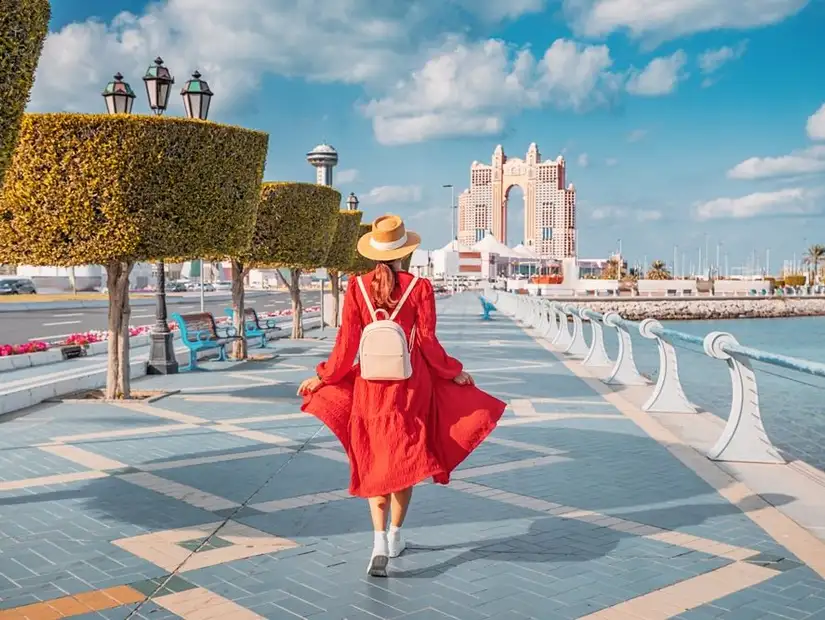
From October to April, the UAE becomes much easier to explore on foot. Days can be bright and warm, but early mornings, waterfront evenings and desert nights call for another layer.
Pack a light sweater, cardigan, overshirt or trench coat that can be folded into a day bag. A modal scarf or pashmina is useful for breezy dinners at Dubai Marina, rooftop restaurants and evening sightseeing. Closed shoes are also more practical than sandals for an overnight desert safari.
Do not overpack winter clothing. Thick coats, heavy boots and bulky knitwear are rarely necessary for a city break. Focus instead on layers that work over a T-shirt, dress or shirt. A thin knit, neutral jacket and one warmer evening outfit are usually enough.
If you arrive underprepared, regional retailers such as Splash and Brands For Less can be useful for affordable extra layers, scarves and casual wardrobe basics.
Public Modesty Rules for Different Spaces
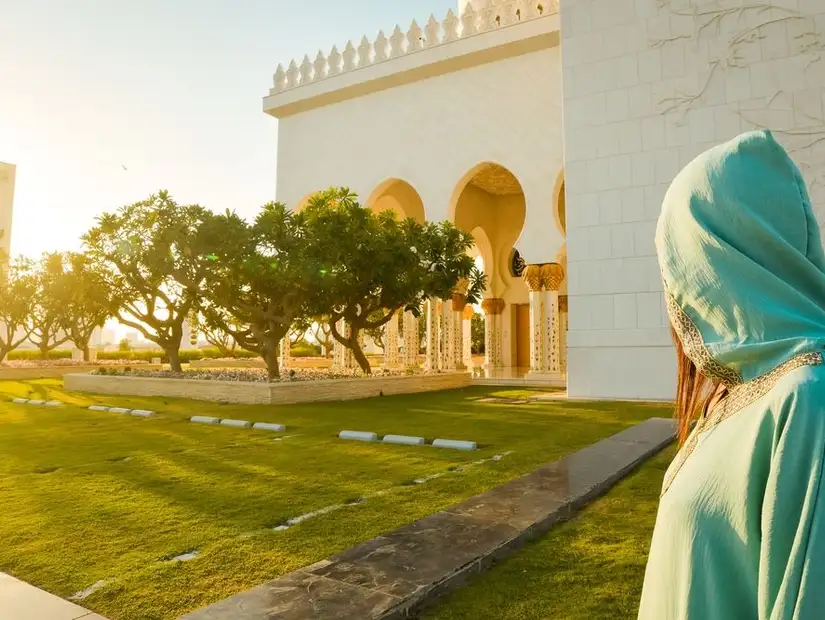
The UAE welcomes a wide range of visitors and personal styles. Still, dressing with the setting in mind is one of the easiest ways to travel respectfully. Swimwear is normal at hotel pools, beaches and beach clubs, while public attractions, shopping malls, restaurants and heritage districts call for more polished coverage.
Mosques have their own entry requirements. Carry a scarf and wear loose clothing that covers your arms and legs when you plan to visit one. Some mosques provide traditional attire, but you should not rely on it being available at every site.
| Destination Type | Acceptable Attire | What to Avoid |
|---|---|---|
| Resorts and beach clubs | Swimwear, shorts, sundresses and cover-ups | Entering public indoor spaces in only swimwear |
| Malls and restaurants | Smart casual outfits, dresses, shirts, trousers and tailored shorts | Beachwear, very sheer pieces or clothing with offensive wording |
| Mosques and heritage sites | Loose, full-length clothing; a headscarf for women at many mosques | Shorts, bare shoulders, tight gym wear or transparent clothing |
When in doubt, choose an outfit that can transition easily: a T-shirt under an open linen shirt, a sundress with a light scarf, or a short-sleeved top with loose trousers.
Transit Wardrobe Etiquette for Public Transportation
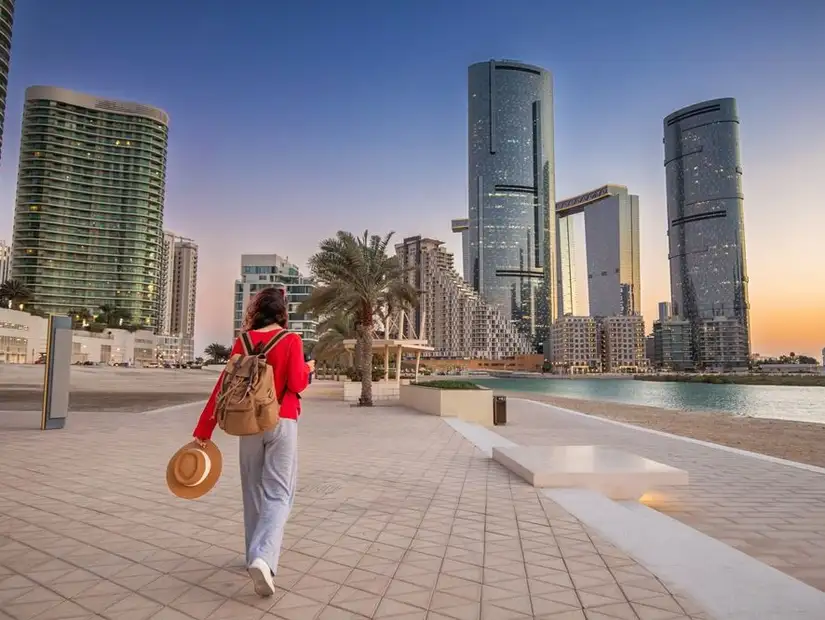
Dubai Metro, trams, buses and stations are shared public spaces used by commuters, families and visitors. Treat them differently from a beach club. Wear shoes, cover swimwear before entering and keep a light outer layer in your bag.
You do not need a formal outfit to ride the Metro. Clean, practical clothing is enough for most journeys, especially when you are moving between sightseeing stops. Breathable trousers, dresses, shirts, T-shirts and comfortable walking shoes are all suitable choices.
One correction for travelers combining regional itineraries: the Haramain High-Speed Railway is in Saudi Arabia, not the UAE. For a UAE trip, focus your packing plan on Dubai Metro, Abu Dhabi buses, taxis and rideshare journeys.
Smart Footwear and Protective Sun Accessories
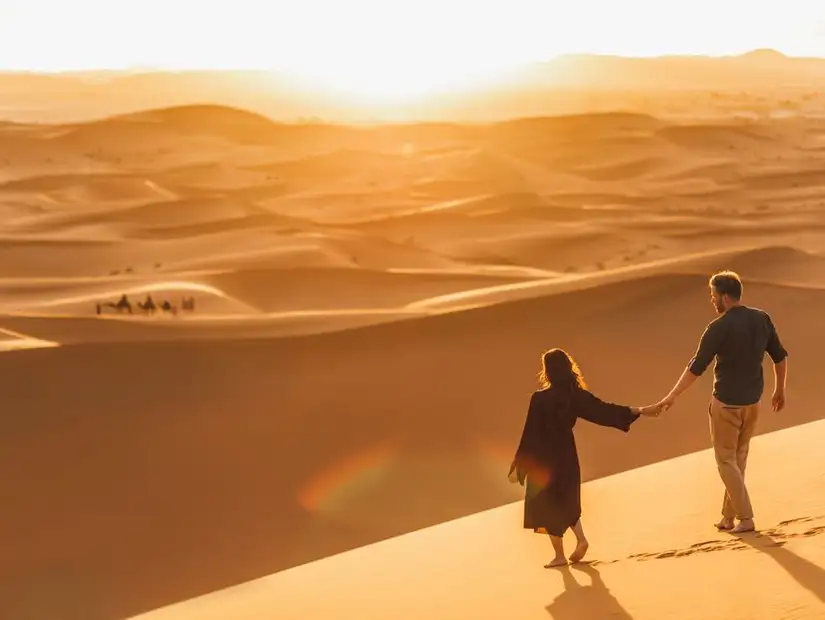
The right accessories can make a major difference in the UAE. Choose shoes that can handle long walks through malls, heritage lanes and waterfront promenades. Comfortable trainers, cushioned sandals and easy slip-on shoes are all practical, but avoid relying only on flip-flops beyond beach areas.
Bring high-UV sunglasses, a wide-brimmed hat or cap, and sunscreen suited to your skin. Reapply sunscreen during outdoor days, especially at the beach, in the desert or while walking between landmarks. A refillable water bottle is also worth carrying, particularly in summer.
Packing well for the UAE means preparing for more than one temperature and setting. Bring breathable clothes for the sun, a light layer for indoor spaces and evenings, respectful options for cultural sites and shoes made for walking. With a flexible wardrobe, you can move easily from a beach morning to a museum afternoon, a desert sunset or a stylish dinner by the water. Book your flight to the United Arab Emirates with WINGIE and start planning a UAE trip that feels comfortable, confident and ready for every season.

