Top Cultural Attractions in the United Arab Emirates


The UAE is often introduced through its skylines, beaches, and ambitious architecture. But for travelers who look a little closer, the country also reveals an art scene shaped by global conversations, independent voices, heritage spaces, and ideas that move far beyond gallery walls.
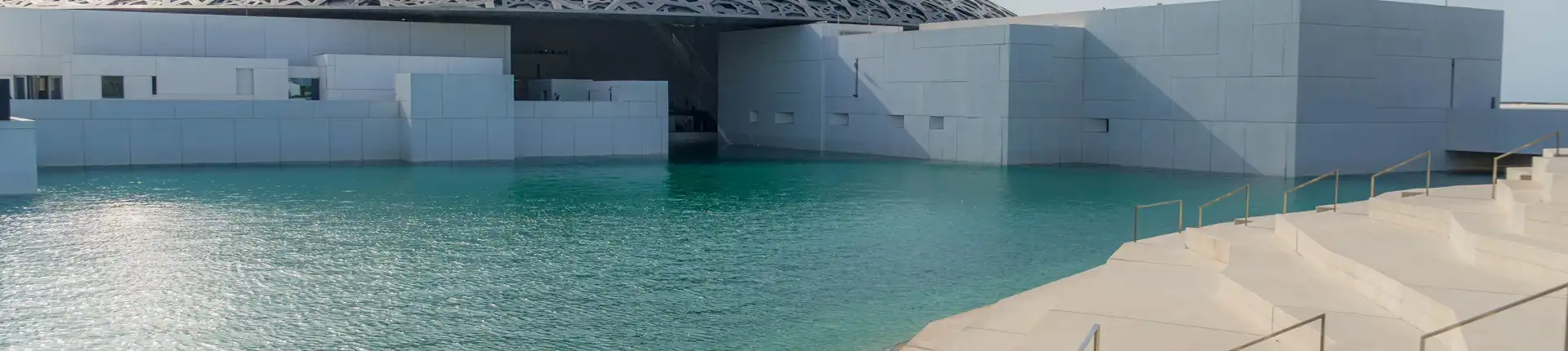
This is a journey where a world-class museum appears to float above the sea, former warehouse districts become creative neighborhoods, and historic coral-stone villages become temporary homes for contemporary installations.
The UAE art trail is not about rushing from one famous building to another. It is about understanding how each emirate tells a different cultural story. Abu Dhabi offers scale, architecture, and global heritage. Dubai brings independent energy, emerging artists, and experimental spaces. Sharjah creates room for reflection, research, and contemporary practice. Ras Al Khaimah adds a quieter dialogue between art and history. Here is how to experience the UAE through its museums, galleries, creative communities, and lesser-known cultural stops.
Architectural Grandeur and Global Heritage at Louvre Abu Dhabi
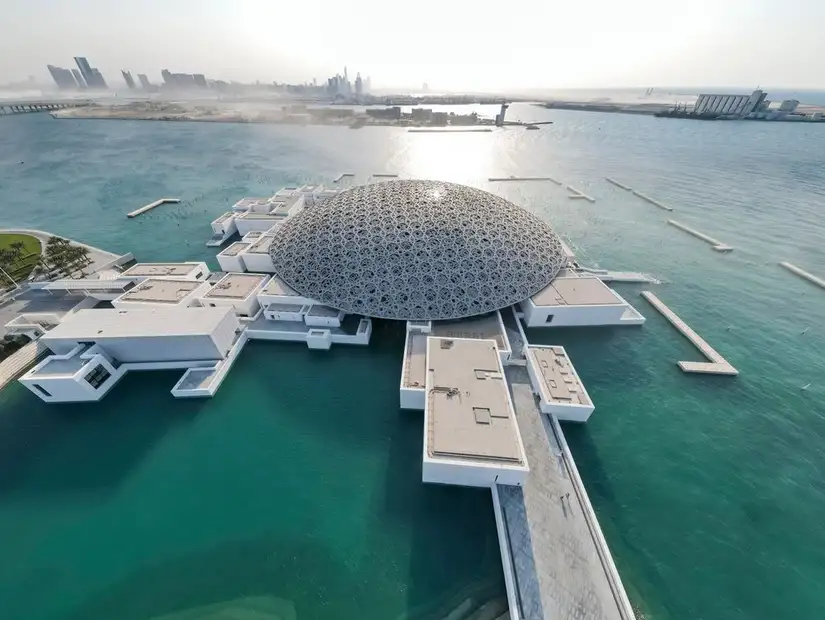
Louvre Abu Dhabi is not simply a museum visit. It is an architectural experience that begins before you see a single artwork. Located on Saadiyat Island, the museum sits beneath Jean Nouvel’s iconic dome, a vast geometric canopy designed to filter sunlight into thousands of shifting patterns. As the sun moves overhead, light passes through the dome’s perforations and creates what the museum calls the “rain of light.” Shadows move across white walkways, water reflections flicker below, and the building seems to change character throughout the day. It is one of those rare places where the architecture feels as important as the collection.
Inside, the galleries move across cultures and centuries rather than separating art into strict geographical categories. You may find ancient sculpture, religious manuscripts, European paintings, African masks, Asian objects, and contemporary works placed in conversation with one another. The museum encourages visitors to see art history as a shared human story rather than a series of isolated movements.
For the best experience, arrive at opening time on a weekday, particularly between Tuesday and Thursday. The galleries open at 10am, while the museum’s express tours begin from 10.30am, so the first half hour is one of the calmest moments to walk beneath the dome and photograph the architecture without following large visitor flows.
Give yourself time to explore both the galleries and the outdoor spaces. The dome remains open much later than the exhibition rooms, but natural daylight is what makes the “rain of light” effect most memorable. A good rhythm is to arrive in the morning, explore the collection slowly, then return to the waterfront areas in the afternoon when the light becomes softer.
Do not rush straight back to the city after your visit. Sit by the water, have coffee beneath the dome, and let the building reveal its quieter details. Louvre Abu Dhabi is one of the best places in the country to understand how architecture, climate, and art can become part of the same experience.
Contemporary Grassroots Movements at Alserkal Avenue
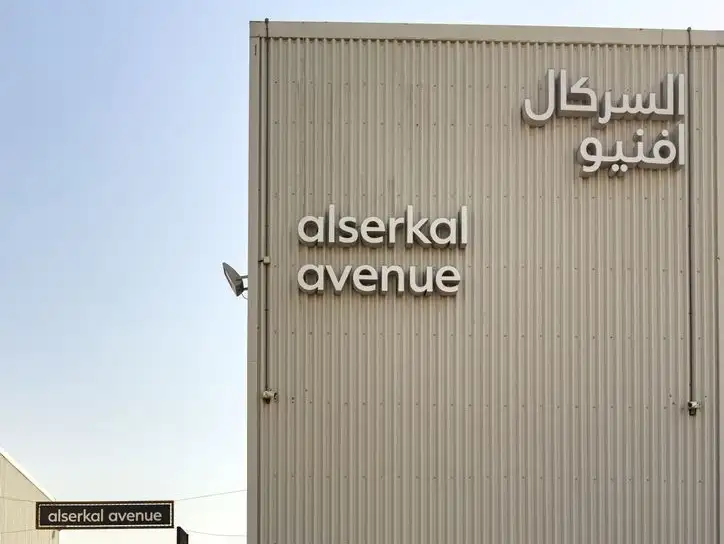
If Louvre Abu Dhabi is polished, monumental, and carefully composed, Alserkal Avenue is more immediate. Located in Dubai’s Al Quoz district, Alserkal Avenue is a creative community shaped by galleries, independent foundations, film spaces, design studios, cafés, makers, and small businesses. Its warehouse setting gives the area a different rhythm from Dubai’s malls and waterfront districts. You will move through open courtyards, industrial passageways, converted spaces, and gallery doors that may lead to a quiet painting exhibition, a sound installation, a photography show, or an artist talk.
The best way to explore Alserkal is on foot. Do not arrive with an overly strict checklist. Exhibition programs change regularly, and part of the appeal is discovering something unexpected between the places you planned to visit.
Start with The Third Line, one of Dubai’s most important galleries for contemporary artists from the Middle East and its diaspora. Its program often brings together established and emerging voices, making it a strong first stop for travelers who want to understand the region through contemporary visual language.
Then visit CARBON 12, known for its international and regional contemporary program, and Ishara Art Foundation, a non-profit space focused on contemporary art from South Asia and its overlapping histories. Together, these spaces show how Dubai’s cultural identity is connected not only to the Gulf, but also to wider conversations across Asia, Africa, Europe, and beyond.
For film lovers, Cinema Akil is essential. As Gulf’s first arthouse cinema, it screens independent films, documentaries, international releases, and regional stories that rarely appear in mainstream cinema schedules. Check the program before you visit, then build your gallery route around an evening screening.
Alserkal Avenue is also about creative daily life. Stop by KAVE, an upcycling café and community space that mixes retail, workshops, conversations, and thoughtful design. Browse vinyl at The Flip Side, Dubai’s first independent record shop, where music, film nights, and live sessions often bring another cultural layer to the neighborhood.
This is not the kind of art district where you need to understand every reference before you enter. The most rewarding approach is to stay curious. Read the wall texts, ask gallery staff about the artist, and leave enough time for coffee between spaces. Alserkal works best when you let it unfold slowly.
Hidden Cultural Gems Across the Emirates
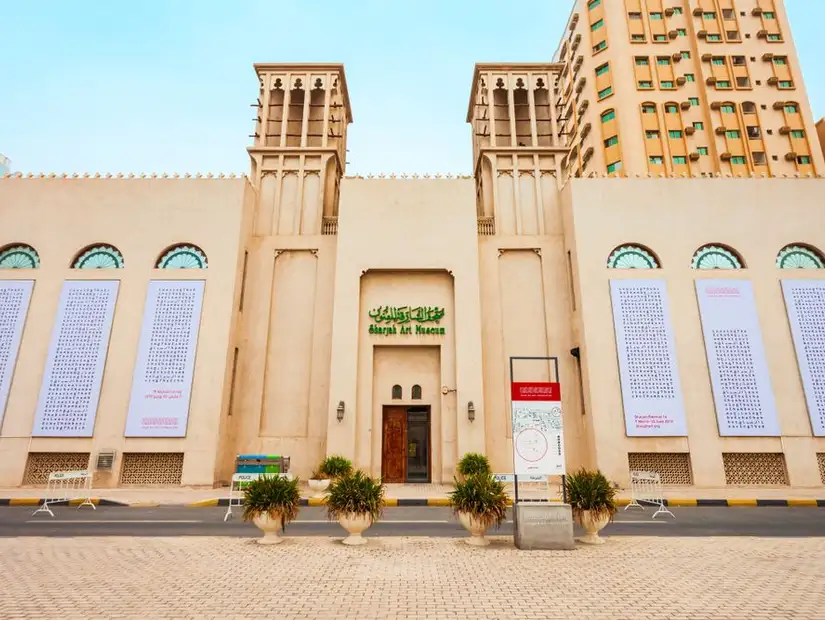
The UAE art trail becomes even more rewarding when you move beyond Abu Dhabi and Dubai. In Sharjah, the Sharjah Art Foundation offers one of the country’s most meaningful cultural networks. Rather than existing in a single museum building, the foundation operates across heritage houses, public spaces, galleries, community centers, and landmark venues around the city.
You can begin around Al Mureijah Square, then continue through spaces such as Bait Obaid Al Shamsi, The Flying Saucer, the Photography Gallery, and the Rain Room. Each venue offers a different atmosphere. Some are intimate and historic, while others feel futuristic, experimental, or deeply connected to public life.
Sharjah is especially rewarding for travelers who enjoy art that asks questions rather than offering immediate answers. Exhibitions often explore migration, land, memory, identity, politics, ecology, and the relationship between the Gulf and the wider world. It is a city that invites you to slow down, read, listen, and return to an artwork more than once.
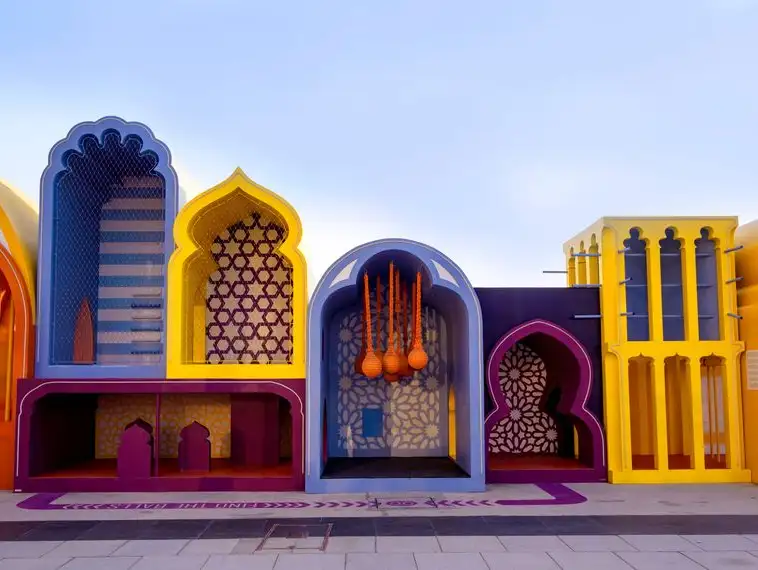
For a different kind of cultural experience, continue north to Ras Al Khaimah. The event previously known as the Ras Al Khaimah Fine Arts Festival now operates as Ras Al Khaimah Art, bringing contemporary work, workshops, film, heritage tours, and public programs into the historic setting of Al Jazeera Al Hamra Heritage Village.
The location is part of what makes the experience special. Artworks appear among old coral-stone buildings, narrow lanes, courtyards, and former homes, creating a dialogue between past and present. The setting feels less formal than a conventional museum and more immersive than a standard gallery visit.
Even outside the annual festival period, Al Jazeera Al Hamra is worth exploring for travellers interested in architecture, heritage, and photography. When the festival is active, however, the village becomes one of the UAE’s most distinctive places to see contemporary art in conversation with historic space.
Together, Sharjah and Ras Al Khaimah show another side of the UAE art world. They are quieter than Dubai, less monumental than Saadiyat Island, and often more rooted in local history. They reward travelers who are willing to go beyond the most obvious cultural routes.
Practical Planning Tips for the Perfect UAE Art Itinerary
- The easiest way to enjoy the UAE art trail is to divide it by emirate rather than trying to visit everything in one weekend. Give Abu Dhabi a full day for Louvre Abu Dhabi and Saadiyat Island. Give Dubai at least one afternoon and evening for Alserkal Avenue, especially if you want to include Cinema Akil. Add Sharjah as a separate day trip, then consider Ras Al Khaimah as an overnight stop if you are travelling during the annual art festival.
- Timing matters. Art Dubai takes place every spring and is one of the biggest moments in the UAE cultural calendar. In 2026, its public days ran from 17 to 19 April, bringing galleries, talks, commissions, and art-world visitors to Madinat Jumeirah. For future editions, book hotels and flights early once dates are announced, particularly if you want to combine the fair with gallery openings around Alserkal Avenue.
- Abu Dhabi Art is another important cultural event to watch, particularly for travelers who prefer fairs, talks, collecting, and gallery-led programming. Its dates can change from year to year, so confirm the official calendar before booking non-refundable travel.
- For a quieter itinerary, avoid building your trip entirely around major art fairs. Visit outside peak event weekends and you may have more time to speak with gallery teams, enjoy museums without pressure, and explore neighborhoods at your own pace.
- Wear comfortable shoes, especially for Alserkal Avenue, Sharjah’s heritage areas, and Al Jazeera Al Hamra. Keep your schedule flexible, check exhibition dates before travelling, and remember that galleries may close temporarily between installations.
The UAE art trail is not just for collectors, designers, or museum experts. It is for anyone who wants to see the country through a different lens. Book your next flight to the UAE WINGIE, leave room in your itinerary for unexpected exhibitions and creative neighborhoods, and discover how art can lead you into some of the UAE’s most memorable stories.

