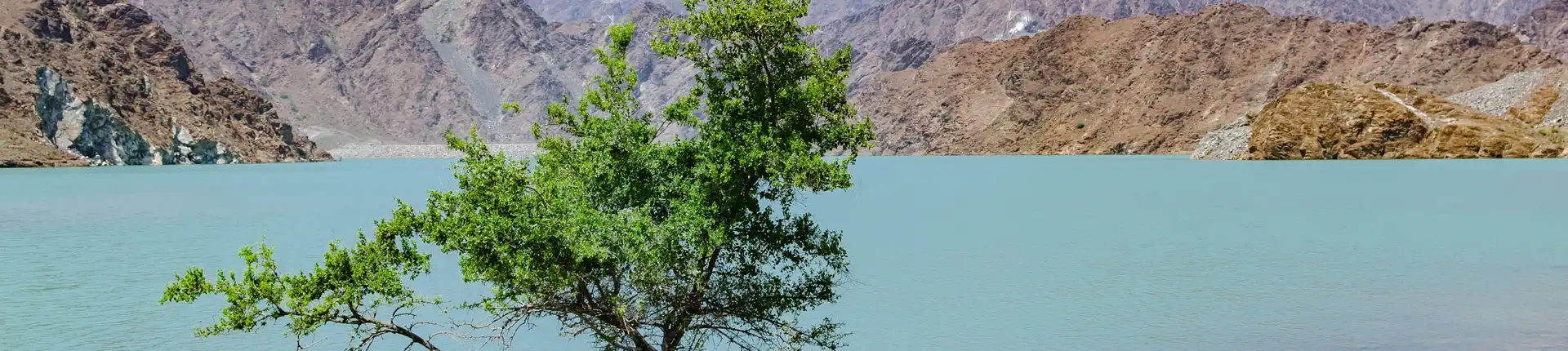
The Ultimate Guide to Wadi Adventures in Oman and the UAE


Between the rugged peaks of the Hajar Mountains and the dry landscapes of the Arabian Peninsula lies a completely different natural world. Wadis, valleys and riverbeds shaped by seasonal water flows, form some of the most spectacular outdoor destinations in Oman and the United Arab Emirates.
Some lead through towering limestone canyons to turquoise swimming pools, while others wind past palm plantations, traditional villages, mountain farms, and natural springs. Depending on the destination and season, a wadi adventure can involve anything from a gentle family walk to a full day of hiking, swimming, scrambling over rocks, and exploring narrow canyon passages.
Oman is particularly famous for its dramatic water-filled wadis, including Wadi Shab and Wadi Bani Khalid, while the UAE offers easily accessible mountain escapes such as Wadi Shawka and Wadi Shees. However, conditions can change quickly, especially after rainfall. Choosing the right wadi for your experience level and checking the weather before setting out are essential parts of planning a safe trip.
What Makes Wadis So Unique?
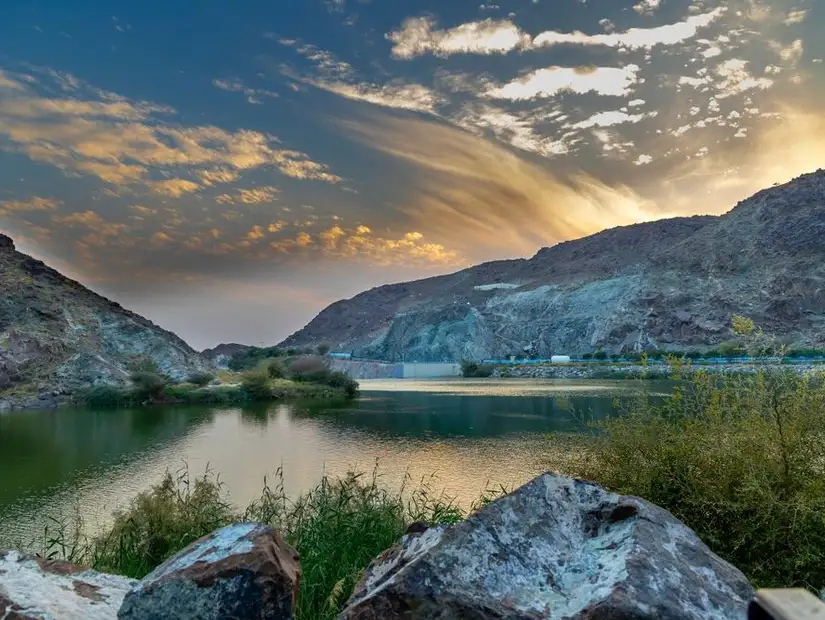
Water in the Heart of the Mountains
One of the most striking features of a wadi is the contrast between water and the surrounding arid landscape. Natural springs and seasonal rainfall can create freshwater pools beneath steep mountain walls, while palm trees and agricultural terraces bring pockets of greenery to otherwise rocky valleys.
Some wadis contain water throughout much of the year, while others change dramatically depending on recent rainfall and the season.
Adventures for Different Experience Levels
Not every wadi requires advanced hiking experience. Places such as Wadi Bani Khalid and the Wadi Shees Nature Trail provide relatively accessible ways to experience the landscape, while Wadi Shab combines hiking with swimming and more adventurous routes can involve scrambling, canyoning, or difficult mountain terrain.
The key is understanding what a destination actually involves before arriving. A wadi described as a "swimming spot" may still require a rocky hike, and some deeper canyon routes are better explored with an experienced guide.
A Different Side of Oman and the UAE
Wadis are not only natural attractions. Many run through villages and agricultural areas where traditional falaj irrigation channels continue to carry water to farms and date plantations.
Exploring these valleys can therefore offer a glimpse into how communities have adapted to mountain environments and limited water resources for generations.
Essential Safety Tips Before Exploring a Wadi
Wadi conditions should never be taken for granted. Flash floods can develop rapidly after heavy rainfall, including rain falling upstream and away from the area you are visiting.
Oman's Directorate General of Meteorology warns that wadi flows can become life-threatening within minutes and advises travelers never to enter or cross flooded wadis, even by vehicle. Visitors should monitor official forecasts, avoid camping or parking in flood-prone channels, and move immediately to higher ground if water begins to rise.
Before visiting any wadi:
- Check the weather forecast and official warnings, including conditions in nearby mountain areas.
- Never enter a wadi during or immediately after severe rain if authorities advise against travel.
- Do not attempt to drive through flowing water.
- Wear hiking or water shoes with strong grip, rather than flip-flops.
- Carry more drinking water than you expect to need.
- Protect electronics in a dry bag or waterproof case.
- Tell someone where you are going when exploring more remote areas.
- Avoid hiking alone on unfamiliar or technical trails.
- Know your swimming ability before entering deep pools or narrow water passages.
- Respect closures, protected areas, and local access restrictions.
Best Wadis in Oman
Wadi Shab
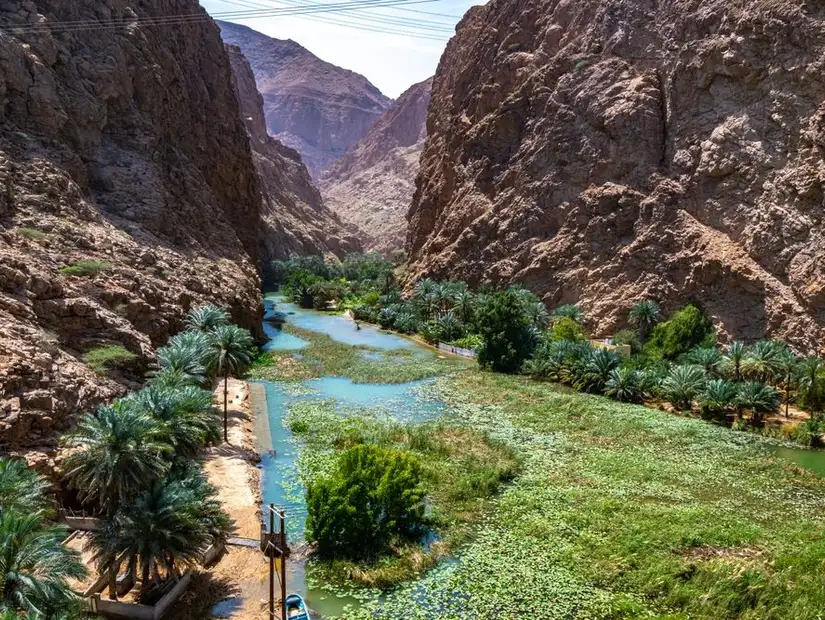
Located along Oman's northeastern coast, Wadi Shab is one of the country's best-known outdoor adventures. Its appeal comes from the combination of hiking, swimming, towering limestone cliffs, palm trees, and a hidden waterfall reached through a narrow cave.
The experience begins with a short traditional boat crossing near the entrance before visitors continue into the canyon on foot. The trail leads through rocky terrain toward a sequence of natural pools where the hiking portion gradually gives way to swimming.
Reaching the famous waterfall cave requires swimming through a narrow passage, so visitors need basic swimming ability. Experience Oman recommends appropriate hiking or water-resistant footwear and notes that there are no shops inside the wadi, making it important to carry sufficient water and light food.
Wadi Shab is ideal for active travelers who want more than a simple viewpoint or picnic. However, families should consider the swimming ability and fitness level of everyone in the group before attempting the complete route to the cave.
Best for: Hiking and swimming
Difficulty: Moderate
Swimming: Required to reach the hidden waterfall
Best season: Generally September to May
Guide: Optional for confident visitors; useful for first-timers
Wadi Bani Khalid
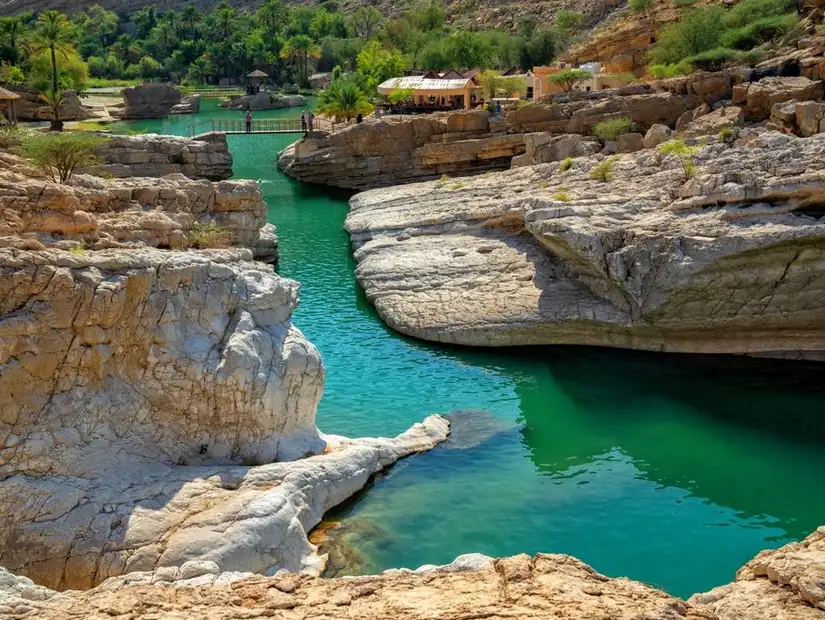
With palm trees surrounding broad natural pools, Wadi Bani Khalid offers a softer and more accessible introduction to Oman's wadi landscapes.
Located in Ash Sharqiyah North, the valley is known for its greenery, freshwater pools, rock formations, and irrigation channels. Unlike Wadi Shab, visitors can experience much of the scenery without committing to a long hike or swimming through a canyon.
Those looking for more adventure can continue beyond the most accessible areas toward Muqal, where the landscape becomes more rugged. Experience Oman notes that the valley continues toward a cave that should only be explored by visitors with appropriate equipment.
This combination makes Wadi Bani Khalid especially appealing to mixed groups: some travelers can relax near the pools while others explore farther into the valley.
Best for: First-time wadi visitors and families
Difficulty: Easy around the main visitor area; more challenging farther into the valley
Swimming: Available in designated/appropriate areas depending on conditions
Best season: Cooler months, with Experience Oman highlighting February to April
Guide: Usually unnecessary for the main area
Wadi Tiwi
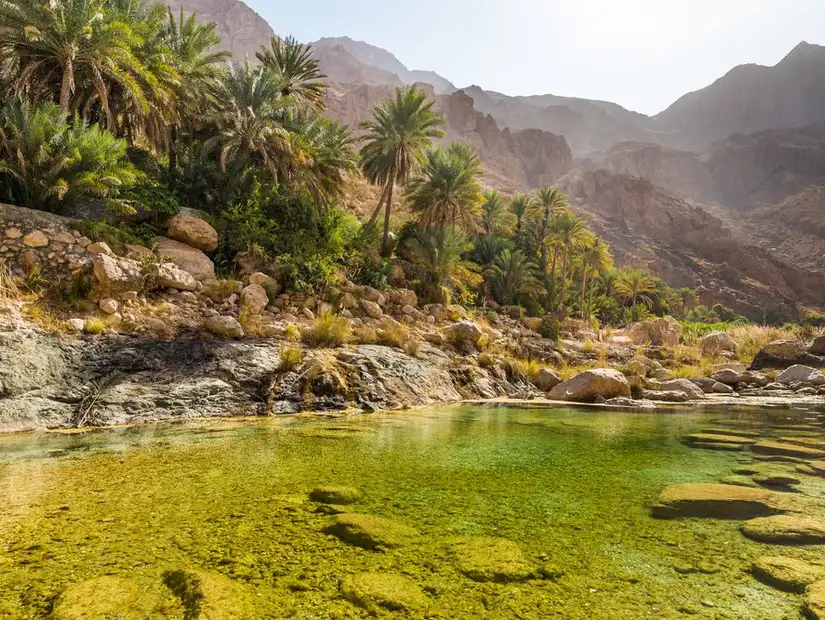
Running between steep mountain walls near Oman's eastern coast, Wadi Tiwi combines dramatic canyon scenery with something many visitors do not expect from a wadi: traditional villages and lush agricultural plantations.
The valley is dotted with date palms, banana plantations, old settlements, and aflaj, the traditional irrigation channels that distribute water through Omani communities. Official Experience Oman itineraries describe Wadi Tiwi as a deep and narrow gorge running toward the sea, with the route becoming increasingly narrow as it approaches villages within the valley.
Wadi Tiwi can be enjoyed as a scenic drive and village visit, but travelers interested in exploring deeper pools and canyon sections should research their chosen route carefully. Some areas involve steep, uneven terrain and are better approached with local knowledge or a guide.
The wadi also works well as part of a wider coastal road trip combining Muscat, Bimmah Sinkhole, Wadi Shab, Sur, and the surrounding beaches.
Best for: Scenic exploration, villages, hiking
Difficulty: Varies considerably by route
Swimming: Possible in some areas depending on route and conditions
Best season: Cooler months
Guide: Recommended for deeper or more technical exploration
Wadi Ghul and Wadi Nakhr
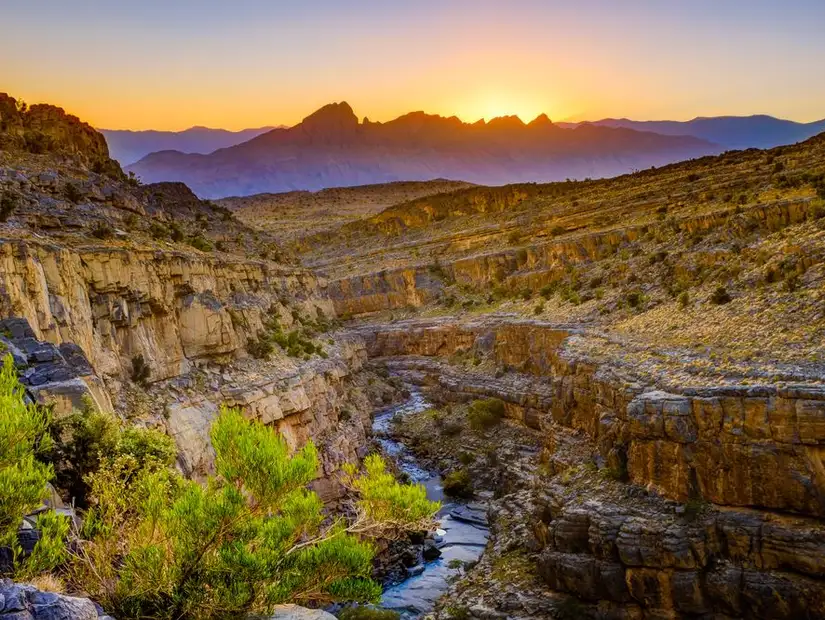
For travelers more interested in dramatic mountain scenery than swimming, the deep canyons around Jebel Shams reveal another type of Omani wadi.
Wadi Ghul lies below the country's highest mountain region and forms part of the immense canyon landscape commonly called the "Grand Canyon of Oman." Experience Oman's hiking guide specifically highlights the deep Wadi Ghul beside Jebel Shams, while its itineraries describe canyon walls reaching dramatic depths in the surrounding area.
This is very different from Wadi Shab or Wadi Bani Khalid. Travelers come primarily for mountain views, hiking, abandoned settlements, and immense rock formations rather than an easy swimming experience.
The famous Balcony Walk around Jebel Shams provides one of the most recognizable ways to experience the canyon landscape, although proper hiking footwear, sufficient water, and a reasonable level of fitness are essential.
Best for: Hiking and canyon scenery
Difficulty: Moderate to challenging depending on trail
Swimming: Not the main attraction
Best season: October to April
Guide: Useful for unfamiliar or less established routes
Wadi Darbat, Salalah
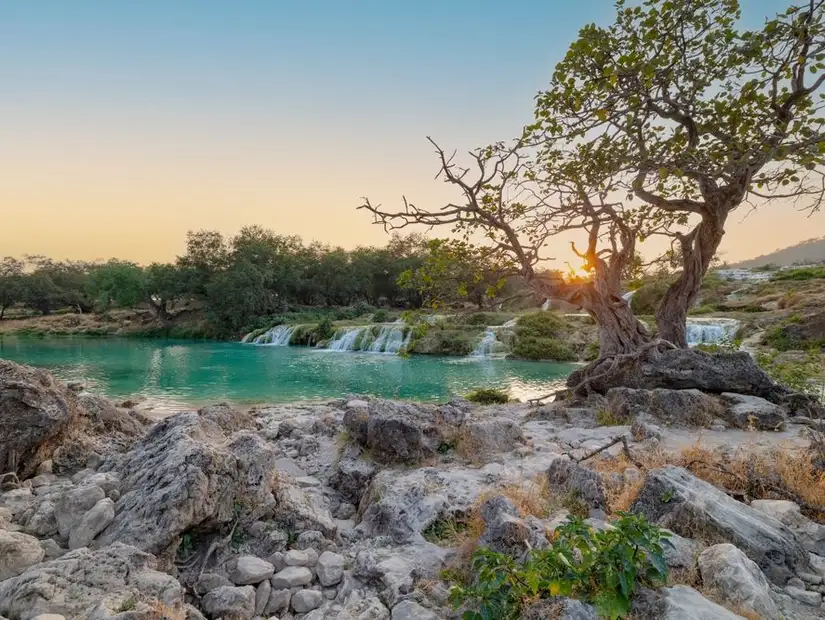
Wadi Darbat offers a completely different wadi experience from northern Oman.
Located in Dhofar near Taqah, the valley becomes especially impressive during the summer Khareef season, when monsoon conditions transform the surrounding hills into green landscapes. Small lakes and flowing water run through the valley, while the grasslands become popular with grazing camels, cattle, and other animals.
Experience Oman notes that water in the wadi is replenished during Khareef and that some may remain throughout the year.
Unlike Wadi Shab, Wadi Darbat is less about a demanding canyon hike and more about scenery, picnics, viewpoints, and experiencing Dhofar's seasonal landscape. This makes it one of the easier wadi destinations to incorporate into a family trip to Salalah.
Best for: Families, scenery, Khareef trips
Difficulty: Easy around the main visitor areas
Swimming: Not the main reason to visit
Best season: Khareef for the greenest scenery
Guide: Usually unnecessary for the main visitor areas
Best Wadis in the UAE
Wadi Shawka, Ras Al Khaimah
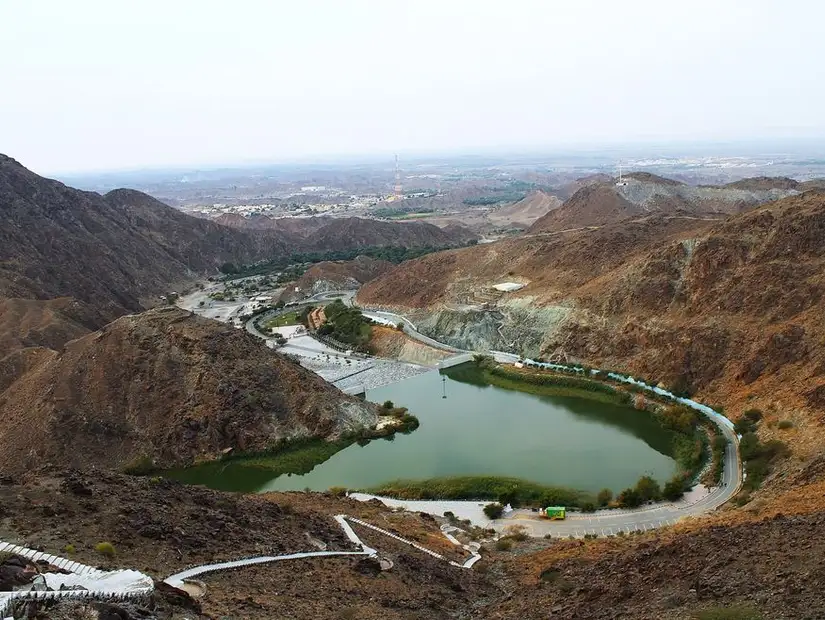
Wadi Shawka is one of the UAE's most popular outdoor escapes and an excellent choice for travelers who want to experience a wadi without leaving the country.
Located in the Hajar Mountains of Ras Al Khaimah, the area is centered around Shawka Dam and a network of mountain trails. The surrounding landscape is ideal for hiking, trail running, mountain biking, camping, and picnics, while water levels and seasonal pools vary depending on rainfall.
Visit Ras Al Khaimah describes Wadi Shawka as a seasonal riverbed with routes ranging from shorter beginner-friendly walks to longer hikes taking several hours. The recreation area near the dam also includes picnic and children's facilities.
This makes Shawka one of the more flexible wadi destinations in the region. Visitors can choose a short walk around the dam area or plan a more demanding hike through rocky mountain terrain.
Best for: Hiking, beginners, trail running and weekend trips
Difficulty: Easy to challenging depending on trail
Swimming: Seasonal and dependent on conditions
Best season: November to April
Guide: Optional for easier established trails
Wadi Abadilah, Fujairah
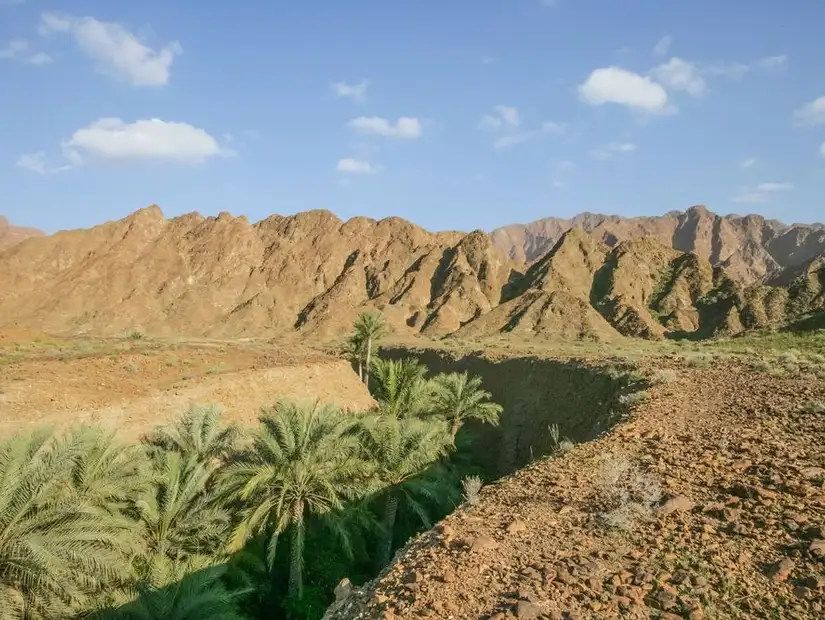
Wadi Abadilah is known for its agricultural landscape, rocky valley floor, mountain surroundings, and pools that can form along the route depending on water conditions.
Compared with some of the UAE's more strenuous mountain hikes, the area has traditionally attracted walkers looking for a shorter outdoor experience through farms, greenery, and rocky terrain. However, visitors should not assume that seasonal pools will always contain water.
Fujairah's wider network of wadi and mountain trails ranges from gentle walks to more demanding routes, and the emirate has expanded its adventure-tourism framework in recent years. Before visiting Wadi Abadilah or another informal mountain route, check the latest access and guiding requirements locally.
The rocks around pools and water channels can also become extremely slippery, so footwear with good grip is important even when the hike itself is not particularly difficult.
Best for: Short hikes and mountain scenery
Difficulty: Easy to moderate depending on conditions
Swimming: Seasonal; do not rely on permanent pools
Best season: Cooler months and suitable weather conditions
Guide: Check current Fujairah trail requirements before setting out
Wadi Shees, Sharjah
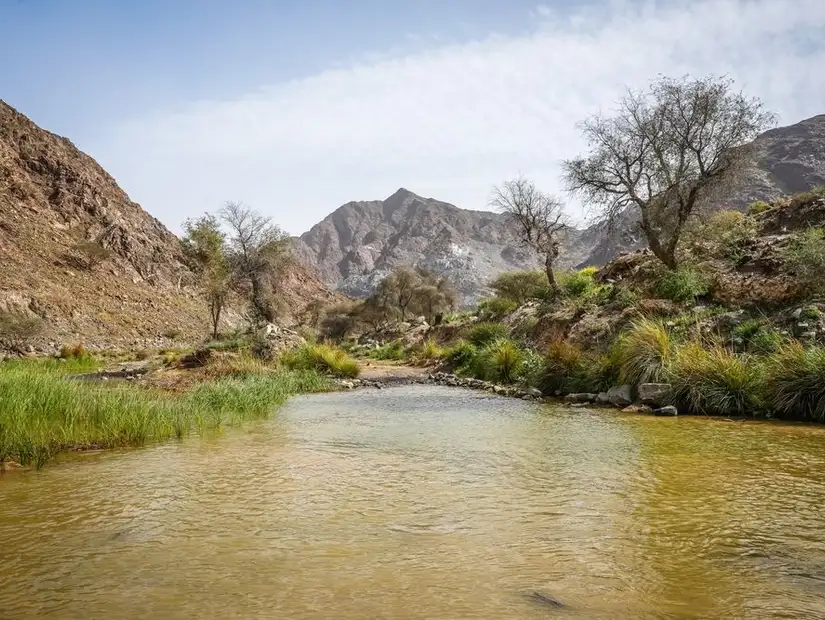
Tucked into the Hajar Mountains near Khor Fakkan, Wadi Shees is one of the UAE's most accessible options for travelers who want to combine nature with traditional mountain agriculture.
The official Wadi Shees Nature Trail follows an accessible 1.8-kilometer loop through the valley, passing freshwater falaj channels, terraced farms, palm trees, and traces of older settlements. Visit Sharjah describes the family-friendly loop as suitable for all ages and estimates approximately 30–40 minutes for the walk.
Because the experience does not require a full day of strenuous hiking, Wadi Shees works particularly well for families or travelers already visiting Khor Fakkan and the UAE's east coast.
More adventurous terrain exists beyond the main visitor areas, but facilities become limited and a 4x4 may be useful for certain off-road sections.
Best for: Families and beginners
Difficulty: Easy on the official nature trail
Swimming: Not necessary for the main trail
Best season: October to April
Guide: Not normally needed for the main nature trail
Wadi Wurayah, Fujairah
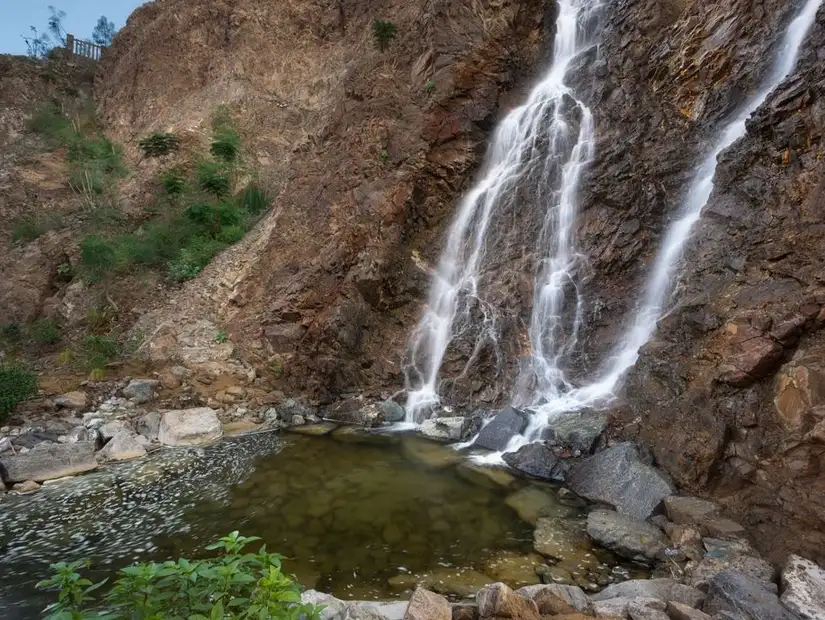
Wadi Wurayah is one of the UAE's most environmentally important mountain landscapes and should be approached differently from an unrestricted recreational wadi.
The protected area contains freshwater springs, pools, mountainous terrain, and significant biodiversity. After years of restricted access, controlled public tours reopened in January 2026. As of July 2026, visits are organized in limited groups through an approved tourism partner rather than as unrestricted independent hikes.
This controlled-access model is designed to protect the fragile ecosystem while allowing visitors to experience one of Fujairah's most distinctive natural environments. The reserve is also notable for its spring-fed water system and year-round waterfall.
For travelers, that means Wadi Wurayah should be planned in advance rather than treated as a spontaneous drive-and-hike destination.
Best for: Conservation, biodiversity and guided nature experiences
Difficulty: Depends on the organized route
Swimming: Follow tour and conservation rules
Best season: Controlled hiking season
Guide: Required through the organized visitor system
Which Wadi Is Right for You?
Choosing the best wadi depends less on which one looks most impressive in photographs and more on the type of experience you want.
| Wadi | Best For | Difficulty | Swimming | Family-Friendly |
|---|---|---|---|---|
| Wadi Shab | Adventure + swimming | Moderate | Yes; required for final cave | Better for active families |
| Wadi Bani Khalid | Relaxed first visit | Easy–moderate | Available depending on area | Yes |
| Wadi Tiwi | Villages + exploration | Variable | Route dependent | Depends on route |
| Wadi Ghul/Nakhr | Canyon hiking | Moderate–challenging | No | Older children/teens on suitable trails |
| Wadi Darbat | Scenery + Khareef | Easy | Not essential | Yes |
| Wadi Shawka | Hiking + weekend adventure | Variable | Seasonal | Yes on easier routes |
| Wadi Abadilah | Short nature hike | Easy–moderate | Seasonal | Route dependent |
| Wadi Shees | Easy family walk | Easy | Not required | Yes |
| Wadi Wurayah | Guided conservation experience | Tour dependent | Controlled | Check tour conditions |
Best Time to Explore Wadis in Oman and the UAE
Northern Oman
- Best Time: Approximately October to April
- Weather: Cooler temperatures make hiking and swimming more comfortable.
- Good for: Wadi Shab, Wadi Bani Khalid, Wadi Tiwi, and Jebel Shams canyon routes.
Wadi Shab's official tourism guidance places its preferred visiting period between September and May.
Salalah and Dhofar
- Best Time for Green Scenery: Khareef season
- Weather: Mist, seasonal rainfall, and cooler conditions transform the landscape.
- Good for: Wadi Darbat and wider Dhofar exploration.
The UAE
- Best Time: Approximately October to April
- Weather: Lower temperatures make hiking through Ras Al Khaimah, Sharjah, and Fujairah much more comfortable.
- Important: Water levels in seasonal wadis depend heavily on rainfall.
Summer hiking in exposed UAE mountain valleys can become dangerous because of extreme heat, so plan activities conservatively outside the cooler months.
What to Pack for a Wadi Adventure
A normal sightseeing bag is not always enough for a day in a wadi. Your packing list should reflect whether you are hiking, swimming, or combining both.
- Water-resistant hiking shoes or trail shoes with strong grip
- Dry bag for phones, passports, keys, and electronics
- Quick-dry clothing
- Swimwear where appropriate
- Lightweight towel
- Plenty of drinking water
- Electrolytes or snacks for longer hikes
- Sunscreen, sunglasses, and a hat
- Small first-aid kit
- Waterproof phone case
- Portable power bank
- Offline maps for remote routes
- Life jacket or flotation aid when appropriate for your swimming ability and route
- A spare set of dry clothes
Avoid carrying unnecessarily heavy equipment, particularly when the route involves scrambling or swimming.
Wadi Etiquette and Responsible Travel
Many wadis pass through villages, farms, protected ecosystems, or landscapes that provide water to local communities. Treating them as ordinary recreational swimming pools can damage both the environment and the experience for residents.
- Take all rubbish with you, including food packaging and disposable water bottles.
- Avoid soaps, shampoos, and chemicals in natural pools.
- Do not damage irrigation channels or agricultural terraces.
- Keep noise levels reasonable around villages.
- Dress respectfully when walking through local communities and public areas.
- Follow signage around swimming and restricted areas.
- Do not remove rocks, plants, or wildlife.
- Use established trails wherever possible.
- Follow all conservation rules in protected destinations such as Wadi Wurayah.
When swimming outside resort environments, modest swimwear may also be more appropriate, particularly in wadis close to villages and family areas.
Frequently Asked Questions
- What is a wadi? A wadi is a valley or riverbed common in arid regions. Some contain springs or permanent pools, while others carry water mainly after rainfall. Their appearance can therefore change significantly throughout the year.
- Which is the best wadi in Oman for first-time visitors? Wadi Bani Khalid is one of the easiest introductions because its main pools and scenery are relatively accessible. Wadi Shab is better for travelers who specifically want a combination of hiking and swimming.
- Can you swim in every wadi in Oman and the UAE? No. Water availability, depth, safety, conservation rules, and local restrictions differ considerably. Some wadis are primarily hiking or sightseeing destinations, while swimming is central to others.
- Which wadi is best for families? Wadi Bani Khalid, Wadi Darbat, and the official Wadi Shees Nature Trail are among the easier choices. Wadi Shab can suit active families, but reaching its final cave requires swimming and navigating rocky terrain.
- Do you need a 4x4 to visit wadis? Not always. Many main visitor areas can be reached using normal paved roads. A 4x4 may become necessary for more remote off-road sections, but vehicle access should always be checked for the specific route you plan to take.
- Are wadis safe after rain? Heavy rain can make wadis extremely dangerous because of flash flooding. Oman's meteorological authority advises people never to cross flowing wadis or floodwater and to monitor official warnings before entering flood-prone areas.
- What shoes should you wear to a wadi? Choose hiking or water-friendly shoes with strong grip. Experience Oman specifically advises against flip-flops at Wadi Shab because they are unsuitable for the rough terrain.
- Is a guide necessary for wadi hiking? It depends on the destination. Established visitor routes can often be explored independently, while technical canyon routes, unfamiliar off-road areas, and protected sites may require or strongly benefit from a qualified guide.
From hidden waterfall caves in Oman to family-friendly mountain trails in the UAE, wadis reveal one of the most fascinating sides of the Arabian landscape. Each offers something different: Wadi Shab combines hiking and swimming, Wadi Bani Khalid provides an accessible introduction to natural pools, Wadi Ghul reveals the scale of Oman's mountains, and Wadi Wurayah offers a carefully controlled look at a fragile protected ecosystem.
The best wadi adventure is not necessarily the most difficult one. Choose a route that suits your fitness and swimming ability, pay close attention to weather conditions, and leave enough time to enjoy the landscape without rushing.
Ready to explore the mountains, valleys, and natural pools of Oman and the UAE? Find flights to Muscat, Salalah, Dubai, Sharjah, and other nearby gateways on WINGIE and start planning your next outdoor adventure.

