An Ultimate Guide to Dubai’s Al Fahidi Historical Neighborhood


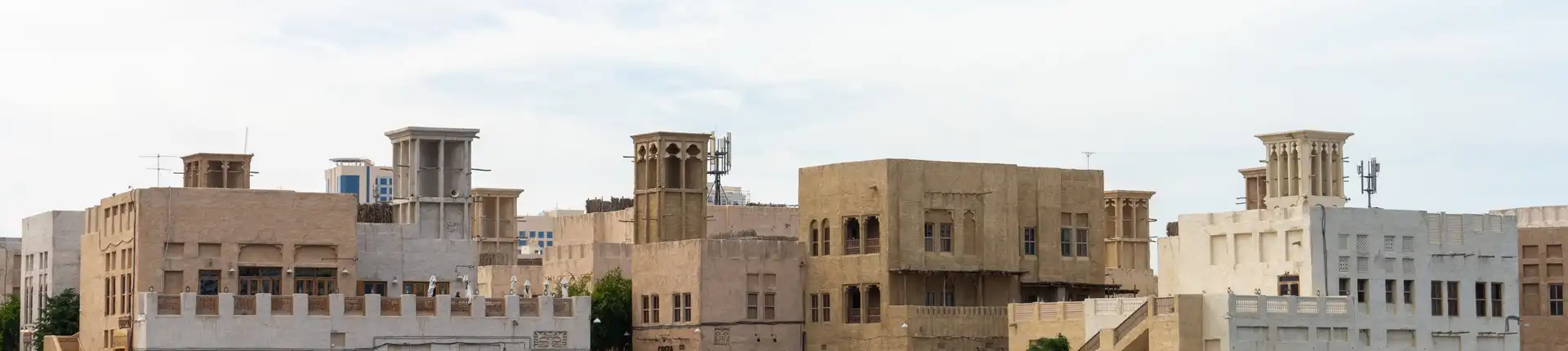
Dubai is known for its skyline, but some of its oldest stories are found beside Dubai Creek. In Al Fahidi Historical Neighborhood, narrow lanes run between sand-coloured houses, wind towers rise above courtyards and the pace feels far from the city’s modern districts.
Set in Bur Dubai, Al Fahidi offers a closer look at the trading life, architecture and customs that shaped Dubai before the towers arrived. Come for museums, galleries, coffee, local conversation and a memorable short journey across the Creek. In this guide, we explore where Al Fahidi is, how to get there, what to see and how to add it to an Old Dubai itinerary.
Where Is Al Fahidi Historical Neighborhood?
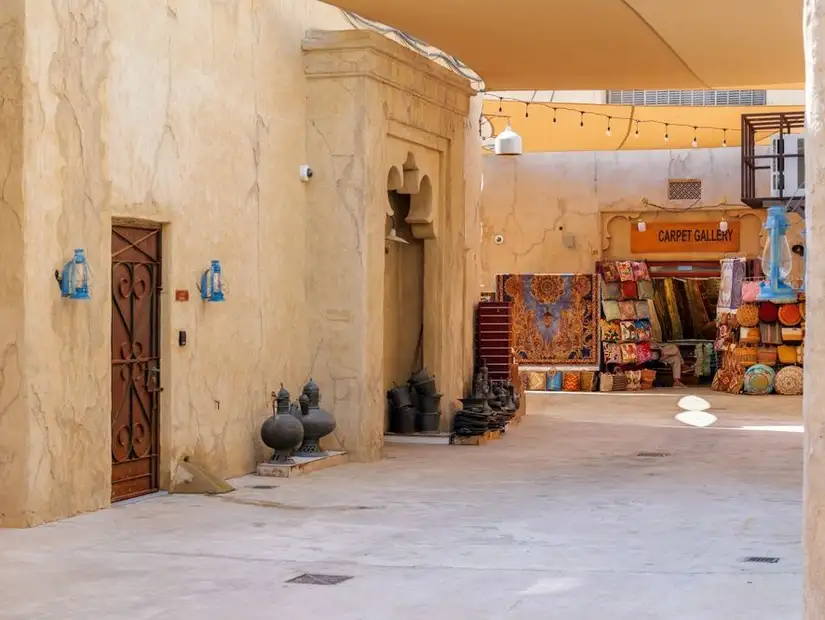
Al Fahidi is in Bur Dubai, along Dubai Creek, close to Al Seef, the Textile Souk, traditional abra stations and the Dubai Museum area. Walk to Al Seef for waterfront cafés, browse Bur Dubai’s markets, or cross the Creek to Deira for the Gold Souk and Spice Souk. The district is compact and mostly pedestrian-friendly, making it an easy starting point for a day of heritage houses, markets, boats and food.
A Brief History of Al Fahidi
Al Fahidi developed when Dubai’s fortunes were closely tied to the Creek. Its waterfront position supported trade with the wider region, while merchant homes, courtyards and lanes formed a close-knit community.
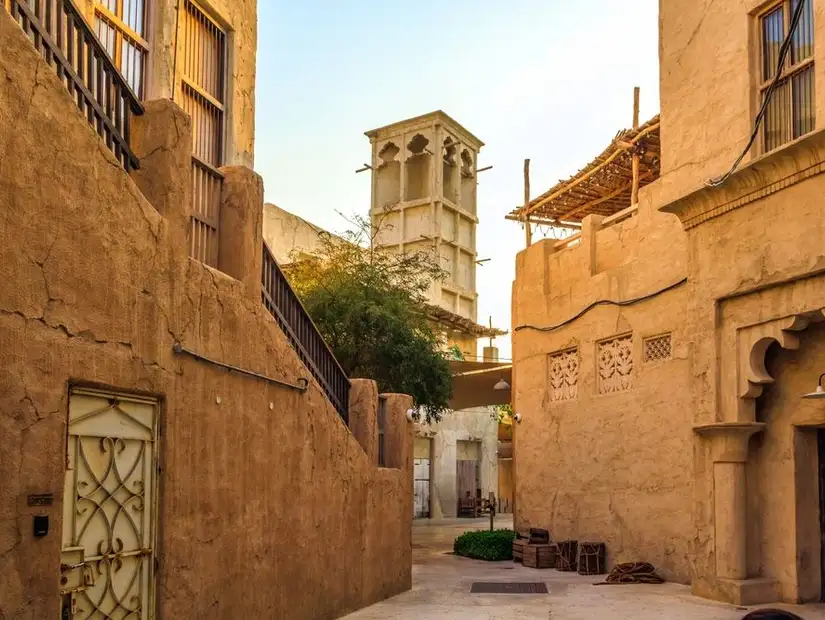
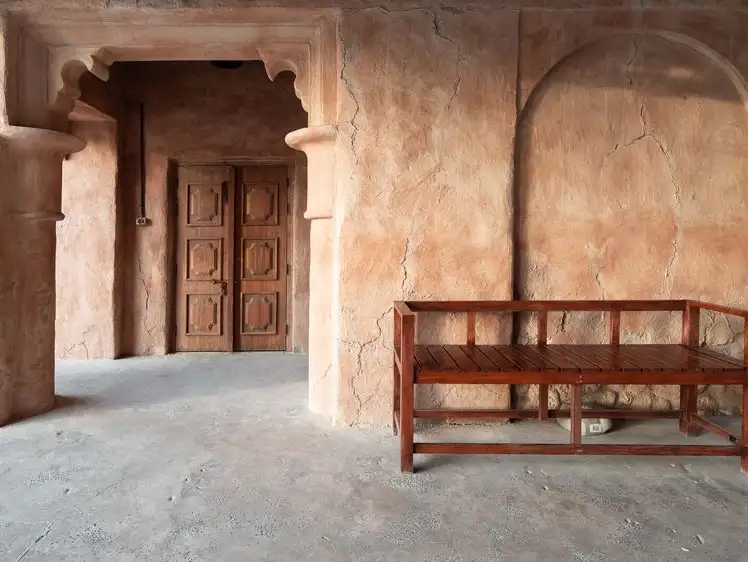
Stone, gypsum, teak, palm wood and palm fronds were used throughout the district. High wind towers, known as barajeel, caught breezes and directed them into rooms below. Narrow alleys created shade, while small windows helped maintain privacy.
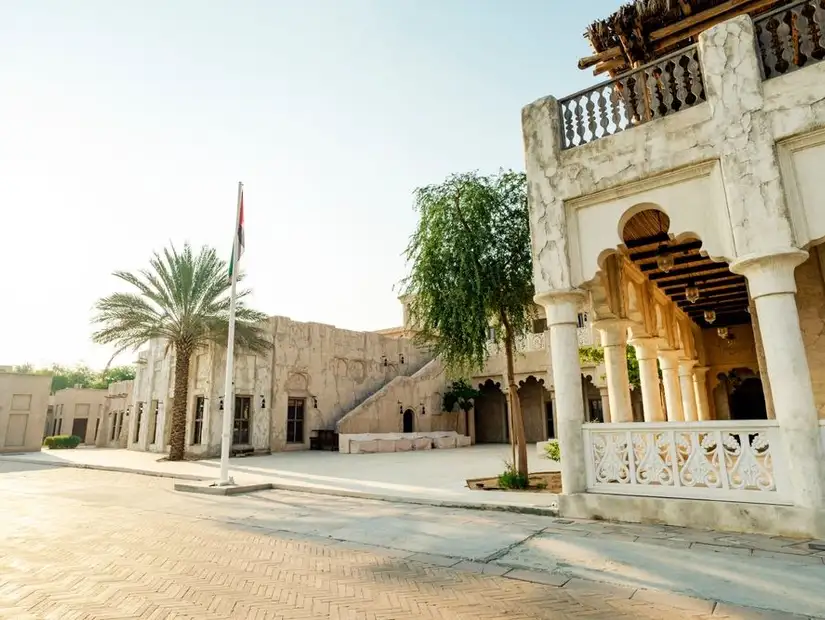
As Dubai grew into a global city, the neighborhood was preserved. Its historic homes now host galleries, museums, cultural centers, workshops and seasonal events.
How to Get to Al Fahidi
The Dubai Metro is the simplest option. Sharaf DG Metro Station on the Green Line is around an eight-minute walk away. Al Ghubaiba is another practical choice near the Creek and Al Seef.
For a more memorable arrival, take a traditional abra across Dubai Creek. The crossing connects Bur Dubai with Deira, with views of old trading areas, minarets and wooden boats. Traditional abras link Bur Dubai Abra Station with Deira Old Souq and cost AED 1 per passenger at the time of writing. Bring small cash.
Once you arrive, walking is the best way to explore. Begin near Al Fahidi Street, the Coffee Museum and Sheikh Mohammed Centre for Cultural Understanding, then make your way towards the Creek.
The Best Things to See and Do in Al Fahidi
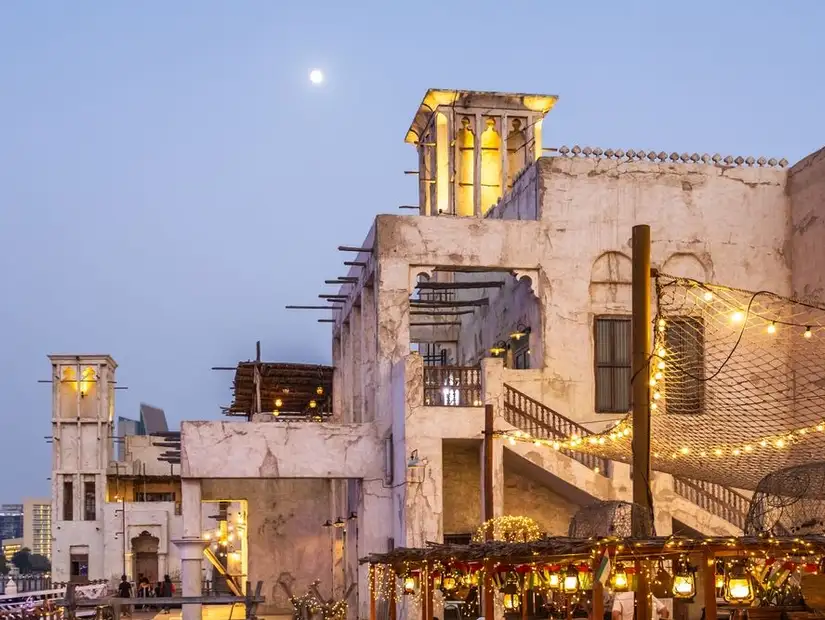
Wander Through the Historic Alleys
Start without a strict route. Al Fahidi is best experienced through its winding sikkas, or alleys. Look up for wind towers, notice wooden doors and pause in the quiet courtyards.
Early morning brings softer light and fewer people. Late afternoon gives the walls a warmer glow. It is a strong area for photography, but ask before photographing people, workshops or exhibitions.
Visit the Al Fahidi Fort and Dubai Museum Area
Al Fahidi Fort is Dubai’s oldest existing building, first constructed in 1787. It later became home to Dubai Museum and remains a key historic landmark.
At the time of writing, the fort and museum are closed for renovation and can only be seen from outside. Include it in your walking route, but check the official status before visiting.
Discover Art Galleries and Cultural Spaces
Restored homes host galleries, museums and events. Browse what is open on the day, as small exhibitions and workshops change regularly. During Sikka Art and Design Festival, Al Fahidi becomes especially lively, with installations, talks and open studios among its heritage buildings.
Visit the Sheikh Mohammed Centre for Cultural Understanding
For first-time visitors, the Sheikh Mohammed Centre for Cultural Understanding is a strong introduction to Emirati culture. Its meals and guided experiences take place in a traditional wind-tower house, combining local food with open conversation about customs, religion, family life and traditions.
Stop by the Coffee Museum
The Coffee Museum is a small but worthwhile stop for travelers who enjoy food history. Set in a traditional house, it explores coffee customs from the Arab world and beyond through grinders, brewing tools, pots and historical objects.
Explore the Textile Souk
A short walk from Al Fahidi, the Textile Souk is filled with fabric, scarves, embroidered garments, souvenirs and tailoring materials. Bargaining is part of the experience, but keep it friendly and respectful.
Take an Abra Ride Across Dubai Creek
An abra ride is one of Old Dubai’s simplest and best-value experiences. Travel from Bur Dubai to Deira Old Souq, then continue to the Spice Souk and Gold Souk. The journey takes only a few minutes, but it is a reminder of why the Creek mattered to Dubai. It moved people, goods and ideas long before highways and bridges shaped the city.
Where to Eat and Drink Nearby
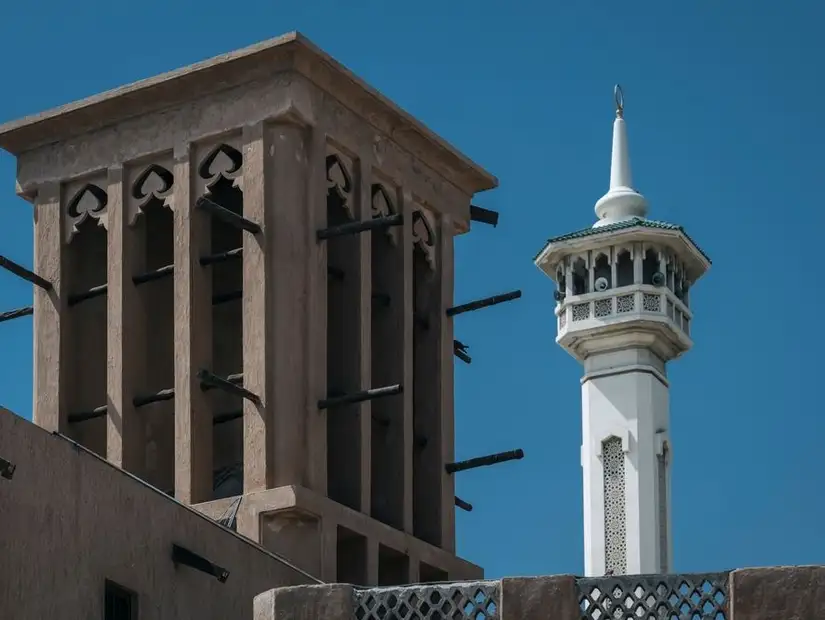
Al Fahidi suits a slow lunch or coffee break. Arabian Tea House is a classic choice for Emirati dishes, Arabic coffee and local sweets in a courtyard setting. For a structured cultural meal, book through the Sheikh Mohammed Centre for Cultural Understanding. For a casual stop, explore cafés in the heritage lanes, then continue to Al Seef for Creek-side dining and a sunset walk.
Best Time to Visit Al Fahidi
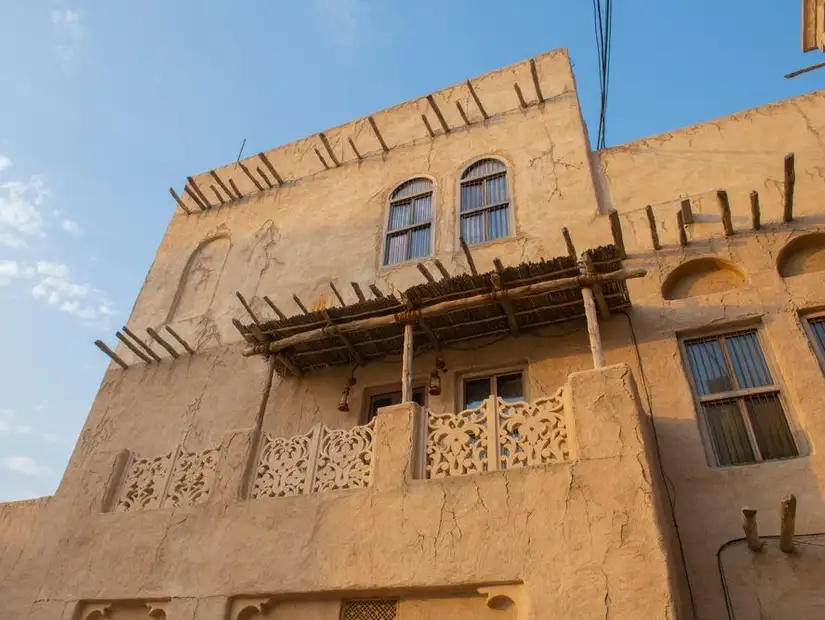
November to March is the most comfortable time for walking and eating outdoors. During warmer months, visit early or late in the day and allow for indoor breaks. For photos and fewer crowds, arrive soon after opening or return before sunset.
How Much Time Do You Need?
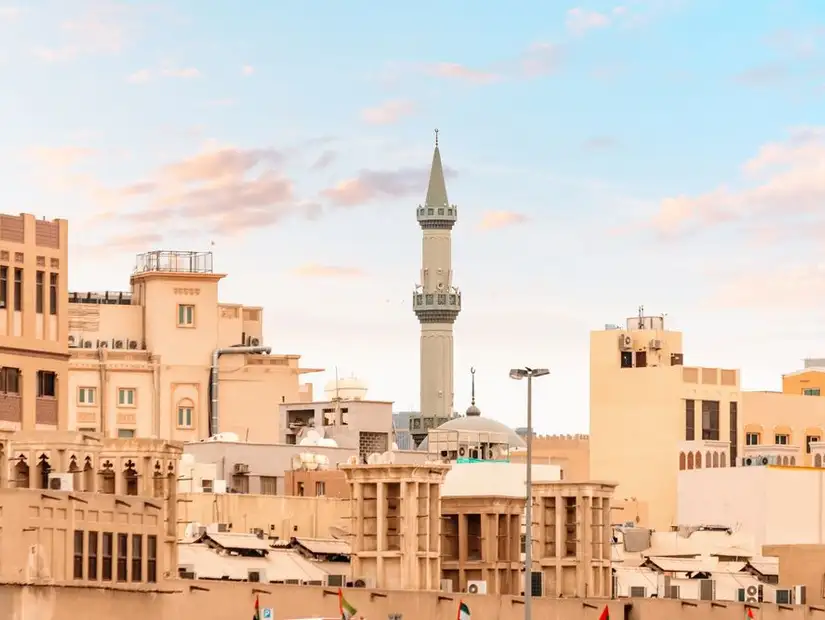
One to two hours is enough for a relaxed walk, coffee and photographs. A half-day itinerary gives you time for the Coffee Museum, a cultural program, lunch and an abra ride. With a full day, combine Al Fahidi with Al Seef, the Textile Souk and Deira’s markets.
Why Al Fahidi Is Worth Visiting?
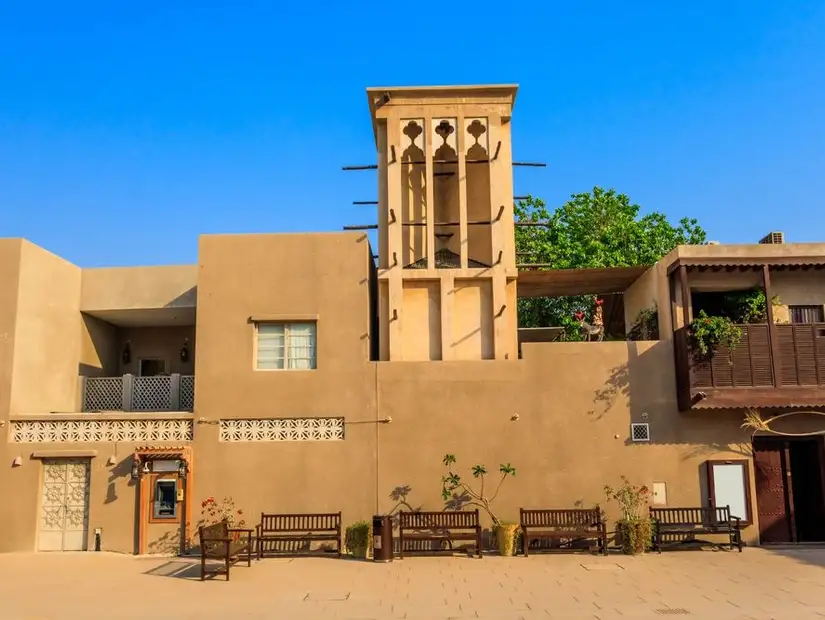
Al Fahidi offers a different side of Dubai. It is quieter, more human in scale and closely connected to the city’s history as a port and trading settlement. The modern skyline may define Dubai from a distance, but the Creek explains how the city began. For travelers who want culture, architecture and local atmosphere alongside major attractions, Al Fahidi is essential.
Practical Tips for Visiting
- What should I bring when visiting Al Fahidi Historical Neighborhood?
Wear comfortable shoes, dress respectfully and carry water, especially during warmer months. Bring small cash for abra rides, snacks and market purchases. - What should I know before visiting Al Fahidi Historical Neighborhood?
Check opening hours before setting off, as some venues may close on Fridays, have seasonal schedules or require advance booking. - Is Al Fahidi Historical Neighborhood free to visit?
Yes. Walking through the neighborhood is free, while museums, workshops, tours and cultural meals may have separate costs. - How do I get to Al Fahidi by Metro?
Take the Green Line to Sharaf DG Metro Station, then walk around eight minutes. - How long should I spend in Al Fahidi?
Allow one to two hours for a basic walk, or a half day to add museums, food and an abra ride. - Is Al Fahidi suitable for families?
Yes. The alleys, Coffee Museum, abra ride and souks suit different ages. Plan around the heat. - What other attractions are close to Al Fahidi?
Al Seef, the Textile Souk, Dubai Creek, Deira’s Spice Souk and Gold Souk are all nearby.
Suggested Half-Day Al Fahidi Itinerary
- Walk through Al Fahidi Historical Neighborhood and explore its alleys and wind towers.
- Visit the Coffee Museum, a gallery or a booked cultural experience.
- Enjoy lunch or Arabic coffee nearby, then walk down to the Creek.
- Take an abra to Deira Old Souq.
- Finish at the Spice Souk and Gold Souk.
Explore the older side of the city before you discover its skyline. Book your flight to Dubai with WINGIE, then build an Old Dubai itinerary around Al Fahidi, Dubai Creek and the markets of Deira. Start planning your getaway today and check out WINGIE’s exclusive deals to find the cheapest flights to Dubai.
You may also like:
- Best Couple Massage Spots in Dubai
- Top Lebanese Restaurants in Dubai
- Best Sushi in Dubai
- Best Restaurants in Dubai Mall
- Top 10 Things to Do in Dubai Marina
- Best Beach Clubs in Dubai
- Most Romantic Restaurants in Dubai
- Top 10 Ice Cream Spots in Dubai
- Best Board Game Cafes in Dubai
- Top Souvenir and Gift Shops in Dubai
- Best Affordable Restaurants in Dubai
- Top 10 Indoor Play Areas in Dubai
- Best Rooftop Pools in Dubai
- Top Private Beaches in Dubai
- Best Parks in Dubai

