
An Ultimate Guide to Coffee Culture in the United Arab Emirates


In the UAE, coffee is not one story. It is many stories served side by side. There is the delicate aroma of gahwa, poured from a brass dallah before conversation begins. There is the hum of a Dubai espresso bar, where baristas talk about altitude, processing, and a single farm. There are family gatherings where dates and Arabic coffee remain the first expression of welcome.
Tradition has not disappeared as modern cafés have grown. One culture celebrates hospitality and ritual. The other celebrates precision, sourcing, and a new generation of coffee talent. Whether you want to understand gahwa etiquette or plan a route around the country’s most exciting specialty roasters, this guide is an invitation to explore the UAE one cup at a time.
Historical Roots of Traditional Arabic Gahwa
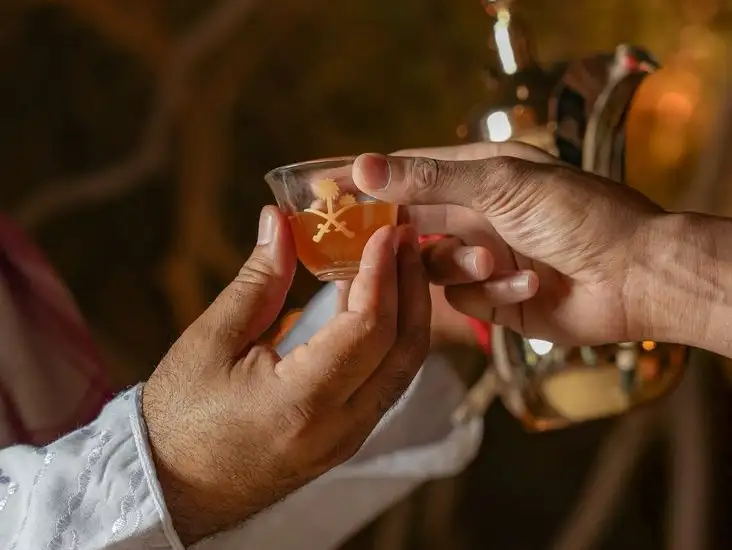
Arabic coffee, known locally as gahwa, is one of the UAE’s most recognizable symbols of hospitality. Its flavor is gentle rather than heavy, often made with lightly roasted coffee beans and cardamom, and sometimes enriched with saffron. It is usually served unsweetened, with dates on the side to balance the coffee’s warm, fragrant bitterness.
But gahwa is more than a drink. It is a way of welcoming someone. In an Emirati home, majlis, heritage setting, or formal gathering, offering coffee shows generosity and respect. The ritual creates a pause before business, celebration, or simple conversation. It says: sit down, take your time, and be part of this moment.
The practice has a long cultural lineage across the Arabian Peninsula. In the UAE, Saudi Arabia, Oman, and Qatar, Arabic coffee traditions were recognized by UNESCO in 2015 as Intangible Cultural Heritage. Yet the ritual remains remarkably alive, from family occasions and hotel receptions to cultural events and Ramadan gatherings.
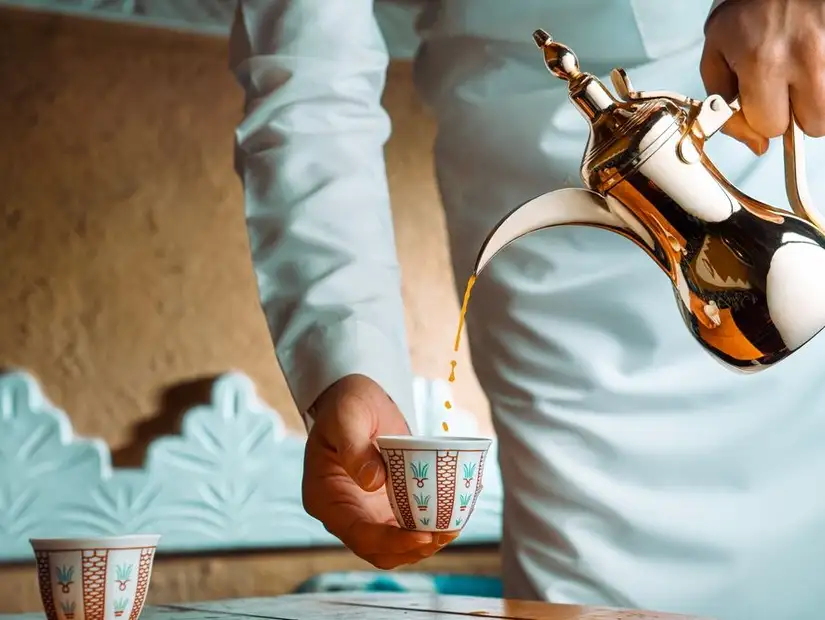
Traditional serving etiquette is precise, but visitors do not need to feel nervous about it. The server holds the dallah in the left hand and the finjal, or small handleless cup, in the right. The most senior or important guest is served first. The cup is filled only around one quarter full, not halfway, so it can be held comfortably and refilled while the coffee stays warm.
Guests should receive and return the cup with the right hand. One to three cups is generally considered a gracious amount, although the atmosphere is not meant to be stressful. Watch the people around you and follow your host’s lead.
The taste of gahwa can surprise travelers expecting a dark, intense espresso. It is lighter in colour, more aromatic, and gentler in body. Take small sips and notice the cardamom, the warmth of the spices, and the sweetness of the date beside it.
The Modern Specialty Coffee Explosion in Urban Hubs
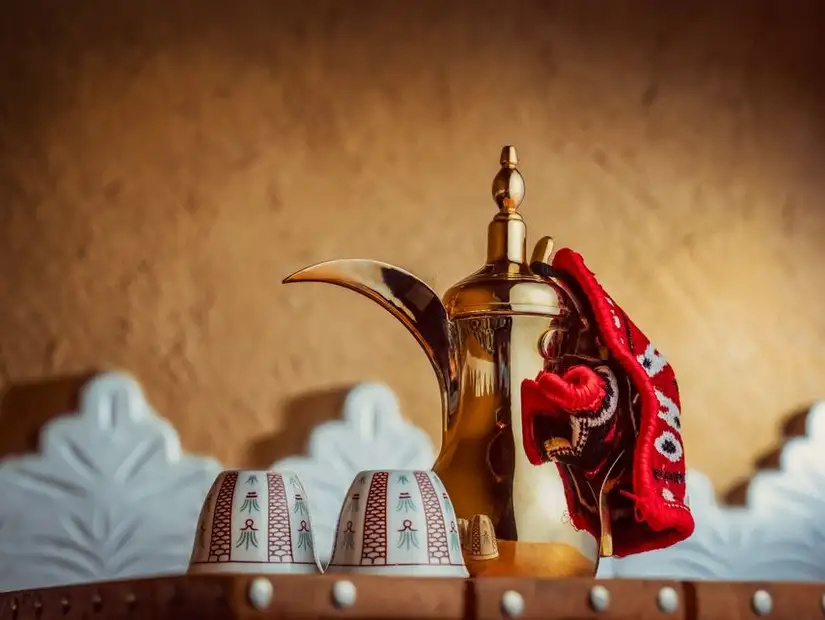
At the same time, the UAE has become one of the Middle East’s most dynamic places to drink specialty coffee. In Dubai and Abu Dhabi, cafés are no longer simply somewhere to order an espresso between meetings. They are roasteries, tasting rooms, creative workplaces, training centers, and communities built around coffee. A menu may feature Ethiopian natural-process coffees, washed lots from Colombia, competition-grade Geishas, or rotating espresso blends.
Dubai’s international energy and strong hospitality scene helped create the conditions for this shift. Roasters connect quickly with producers, green-bean traders, equipment specialists, and baristas from around the world. Abu Dhabi, meanwhile, has developed its own quieter but increasingly refined café culture, with spaces that focus on detail, design, and thoughtful brewing.
The real change is visible in how people order. A flat white still has its place, but it now shares the counter with V60 pour-overs, AeroPress brews, cold brew on tap, coffee flights, and carefully composed signature drinks. Customers ask about origin, variety, process, and roast profile.
This modern coffee culture is not separate from gahwa. In many ways, it extends the same idea of hospitality into a different language. A traditional host uses coffee to make you feel welcome. A specialty barista uses craft, knowledge, and attention to make one cup feel personal.
The most rewarding approach is to mix styles. Begin a morning with gahwa and dates in a heritage setting. Then spend the afternoon in an independent café, trying a single-origin filter coffee brewed slowly in front of you. Both are distinctly part of the UAE’s coffee story.
Must-Visit Independent Cafés and Roasteries
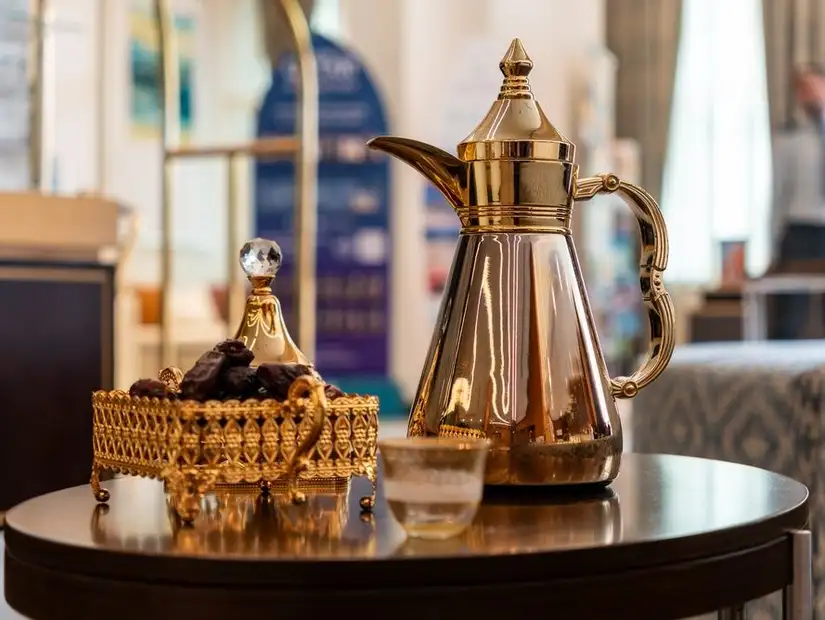
The UAE’s specialty scene moves quickly, so menus and locations can change. These are strong starting points for travelers who want coffee with clear personality, local roots, and a serious approach to roasting.
- RAW Coffee Company, Al Quoz, Dubai: One of the UAE’s pioneering specialty roasters, RAW began in Dubai in 2007 and still roasts at its Al Quoz warehouse café. Go for a flat white, a filter coffee, or a closer look at how roasting and training sit under one roof.
- Nightjar Coffee, Alserkal Avenue, Dubai: Born in Dubai, Nightjar combines a flagship roastery with an all-day eatery and a relaxed creative atmosphere. It is ideal for coffee lovers who want to move beyond espresso into cold brew, micro-lots, and more experimental drinks.
- Archers Coffee, UAE: Founded in 2018, Archers is both a green-coffee trader and specialty roaster, with an SCA and CQI-certified academy. It is a strong stop for travelers interested in the education and sourcing side of coffee.
- Gold Box Roastery, Al Barsha, Dubai: Gold Box brings competition experience and licensed Q-grade expertise into a welcoming coffee-bar setting. Choose a pour-over when you have time to ask the barista what is on roast that day.
- The Espresso Lab, Dubai and Abu Dhabi: With venues in Dubai Design District and Abu Dhabi, plus a roastery in Al Quoz, The Espresso Lab is a strong option for meticulous brewing, premium beans, and a design-led coffee experience. Its record in UAE barista, brewers, and roasting competitions makes it a reliable stop for travelers who want a taste of the UAE’s competitive specialty-coffee edge.
- Benchmark Coffee, Aljada, Sharjah: For a coffee stop beyond Dubai and Abu Dhabi, Benchmark offers a relaxed specialty-café experience in Sharjah’s Aljada district. It is a simple reason to extend your coffee trail into another emirate.
Do not feel pressured to order the most technical item on the menu. Tell the barista what you usually enjoy: chocolatey and smooth, bright and fruity, milky, iced, or strong. A good café will guide you toward the right coffee without making the process feel complicated.
Annual Coffee Festivals and Competitive Barista Events
The UAE’s coffee scene becomes even more visible during its annual trade shows and championships. The major date in the calendar is World of Coffee Dubai, a leading regional event for producers, roasters, baristas, equipment makers, traders, and coffee enthusiasts. Its next announced edition takes place from 26 to 28 January 2027 at Dubai World Trade Centre.
The event is not only for industry professionals. It gives curious visitors a chance to see Roaster Village, cupping sessions, workshops, lectures, brew bars, new-product showcases, and coffee people from across the world in one place. It is where you can taste unusual beans, watch equipment demonstrations, and see how much work exists behind a memorable cup.
Competitive coffee is a major part of the atmosphere. UAE National Championships, including the UAE National Barista Championship, place local baristas under the kind of pressure that turns routine coffee-making into a performance of skill and sensory control. In the barista championship format, competitors prepare espresso, milk drinks, and signature drinks within a tightly timed routine.
Dubai has also become a stage for international competition. In 2026, World of Coffee Dubai hosted the World Cezve/Ibrik Championship, centered on one of the world’s oldest brewing traditions. That connection feels especially meaningful in a city where traditional Arabic coffee and modern specialty methods now share the same cultural map.
For travelers, check event dates before booking a winter trip. If you visit during World of Coffee Dubai, reserve accommodation early. Roasters, cafés, and coffee communities often organize pop-ups and tastings around the show.
Coffee in the UAE is not only about where you drink it. It is about the moments around it: the cup offered before a conversation, the barista explaining a new origin, the scent of beans roasting in a warehouse, and the date placed quietly beside a small finjal. Book your next UAE trip with WINGIE, follow the country’s coffee trail from a traditional majlis to a contemporary roastery, and discover how every cup can lead to a different side of the Emirates.

