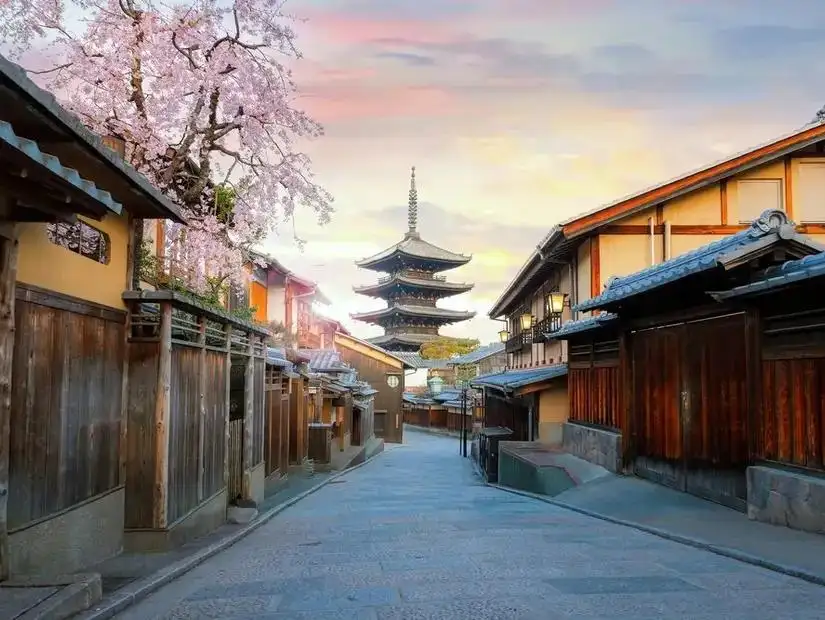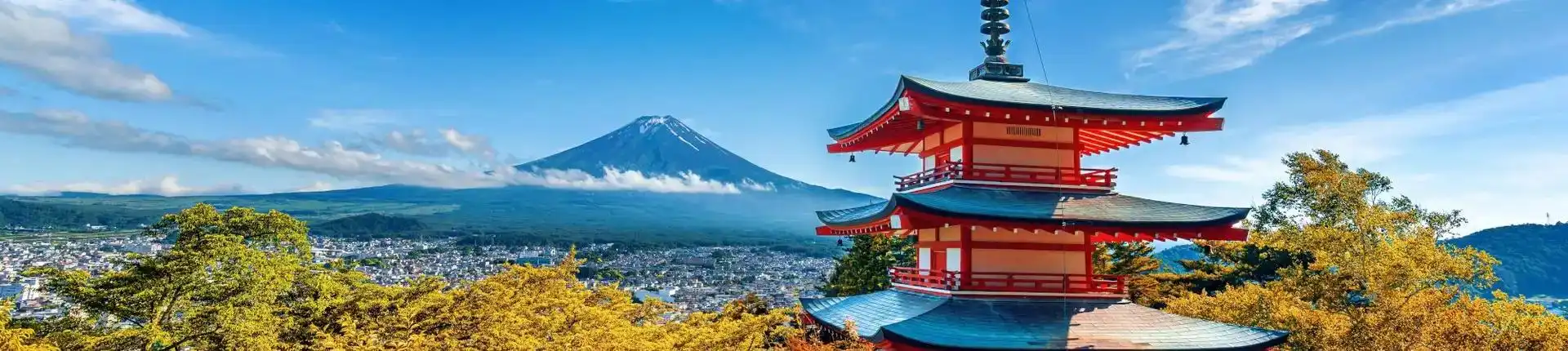
Top Attractions in Japan


Japan is one of the most famous tourist destinations in the world, blending rich history with modern civilization that amazes visitors from all over the globe. From the ancient temples of Kyoto to the bustling streets of Tokyo filled with excitement and technology, Japan offers diverse experiences that cater to the tastes of all tourists. In this article, we will explore some of the most popular tourist attractions that make Japan an irresistible destination.
Fushimi Inari Taisha
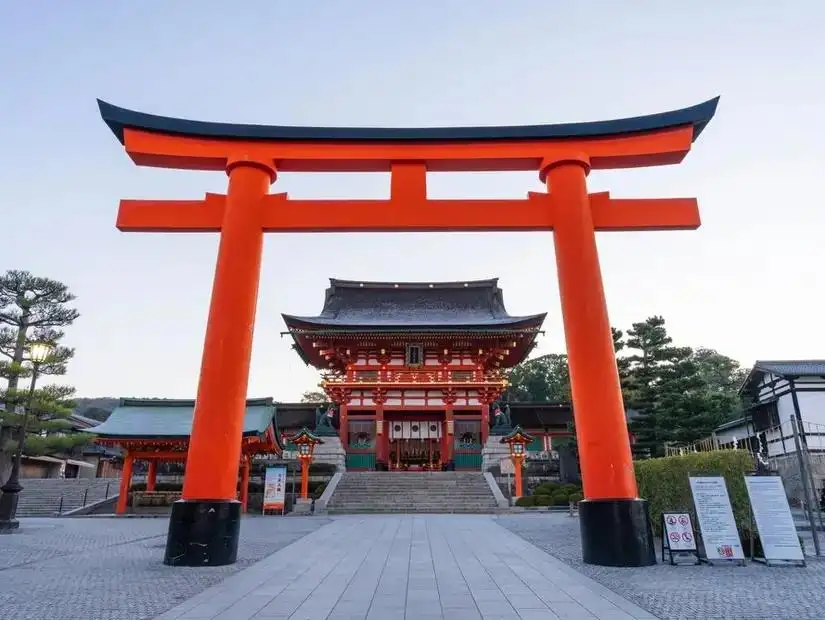
The Fushimi Inari Taisha is one of Japan's most iconic landmarks. January is a particularly special time to visit, as many Japanese people flock to the shrine to pray for success in their work and the prosperity of their crops. The place is filled with people of all ages, along with tourists who write their wishes and hang them on the walls.
You can also find palm readers and fortune-telling booths. The shrine is a major tourist destination, with souvenir shops, food carts offering local delicacies, dried fruits, sweets, and ice cream.
Dotonbori
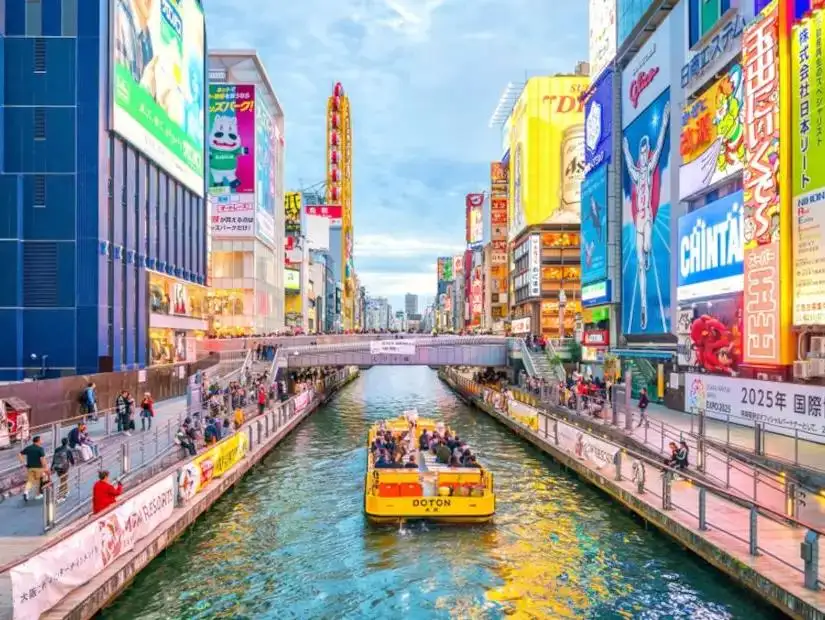
Dotonbori in Osaka, Japan, is a vibrant area famous for its bright lights and lively atmosphere. It is well-known for its many restaurants and shops offering traditional Japanese cuisine, as well as prominent landmarks such as the "Ginkakuji" sign. Dotonbori is a great destination for shopping and entertainment, attracting both locals and tourists alike.
Arashiyama Bamboo Forest
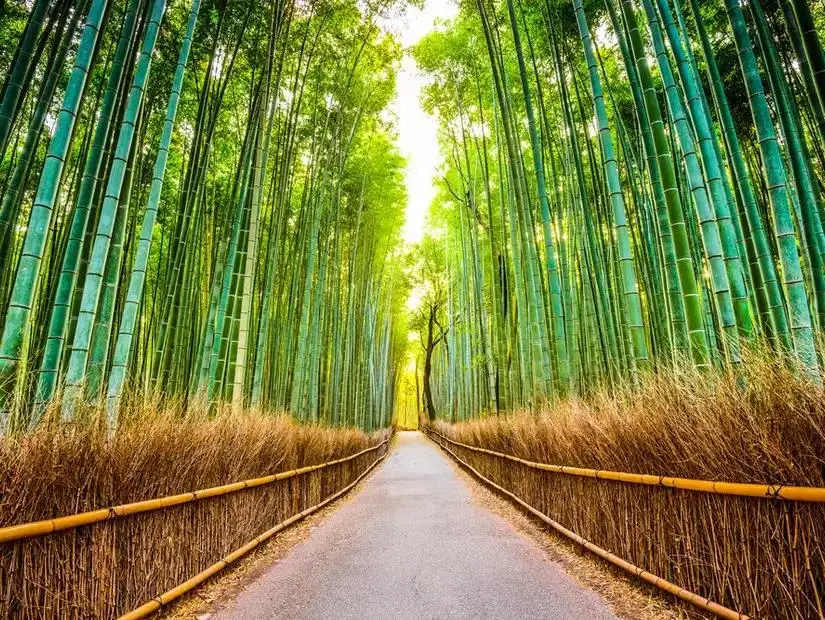
The Arashiyama Bamboo Forest in Kyoto, Japan, is a famous natural landmark known for its shaded paths surrounded by towering bamboo stalks. It offers a serene and majestic experience for visitors and is one of the most photographed sites, especially in the early morning or at sunset.
Himeji Castle
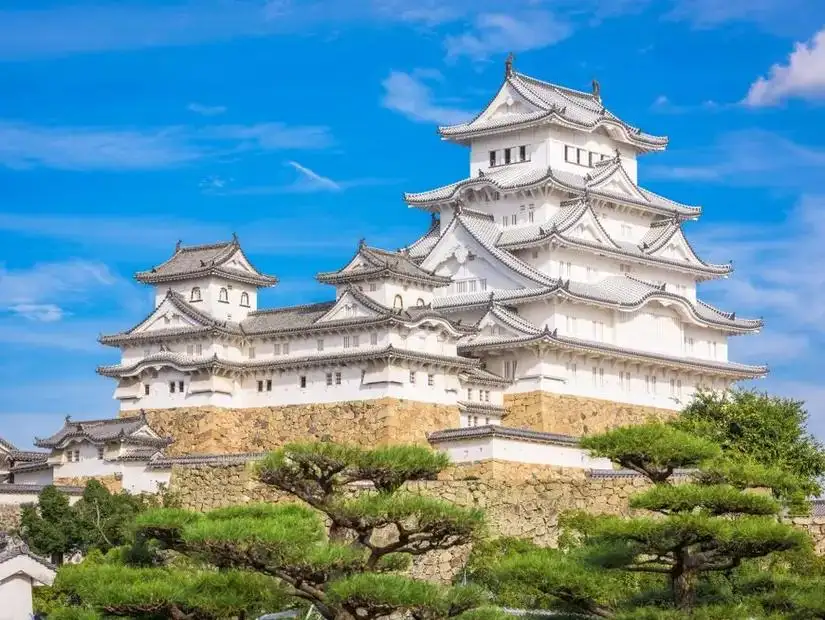
Himeji Castle is a historic castle located in the city of Himeji, Japan, often referred to as the "White Castle" due to its white color. Built in the early 17th century, it is considered one of the finest examples of Japanese military architecture. The castle has been a UNESCO World Heritage site since 1993 and features an intricate defensive design and stunning views.
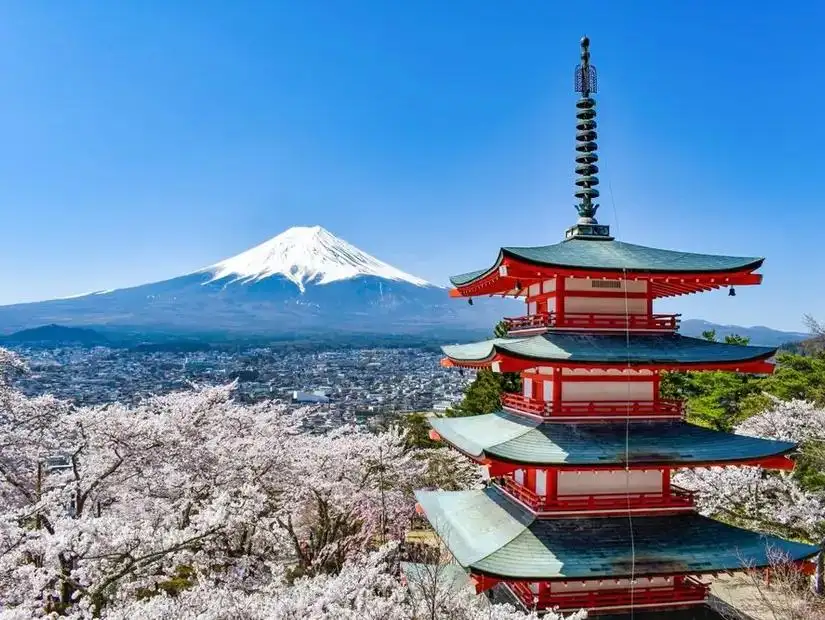
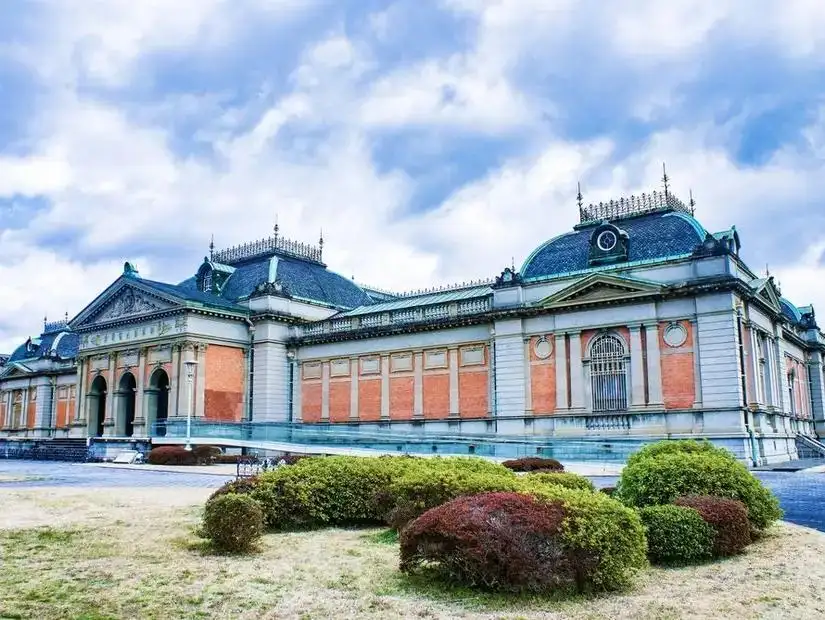
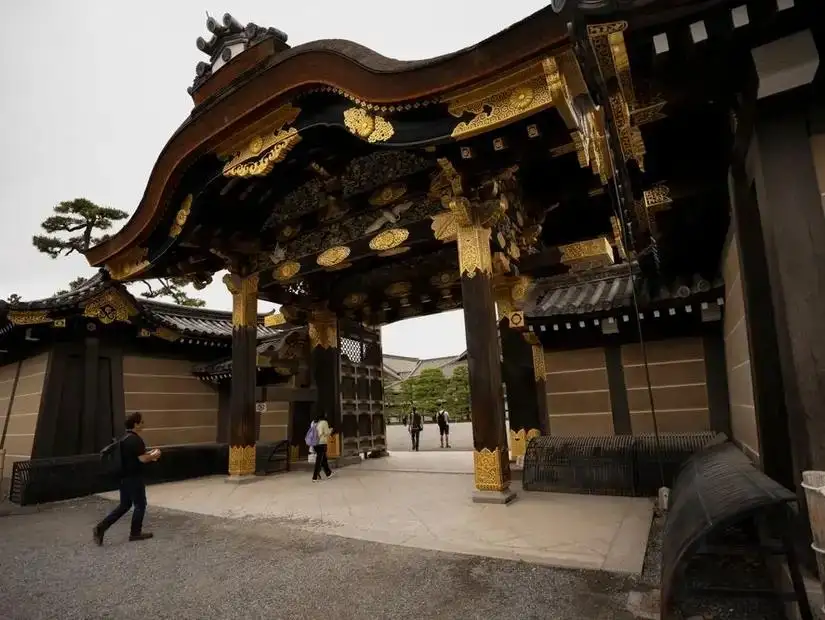
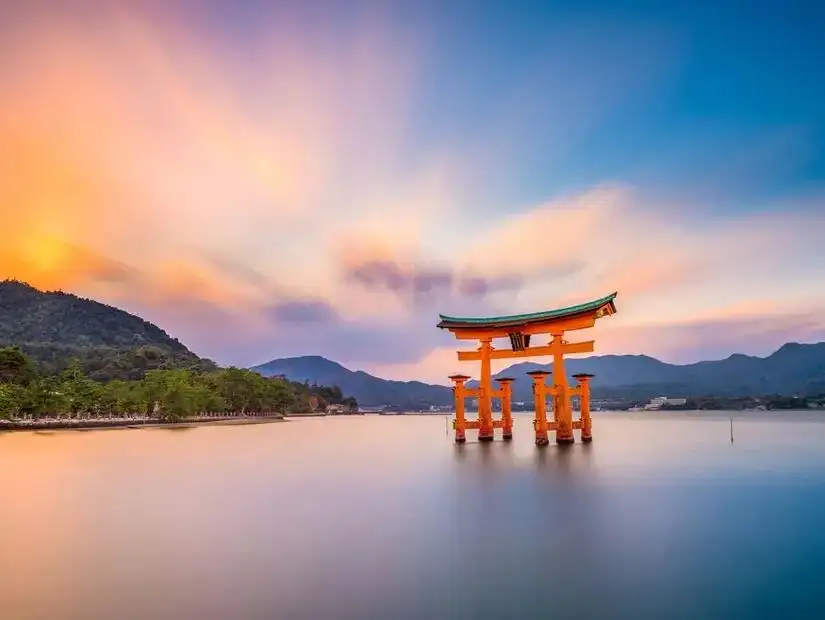
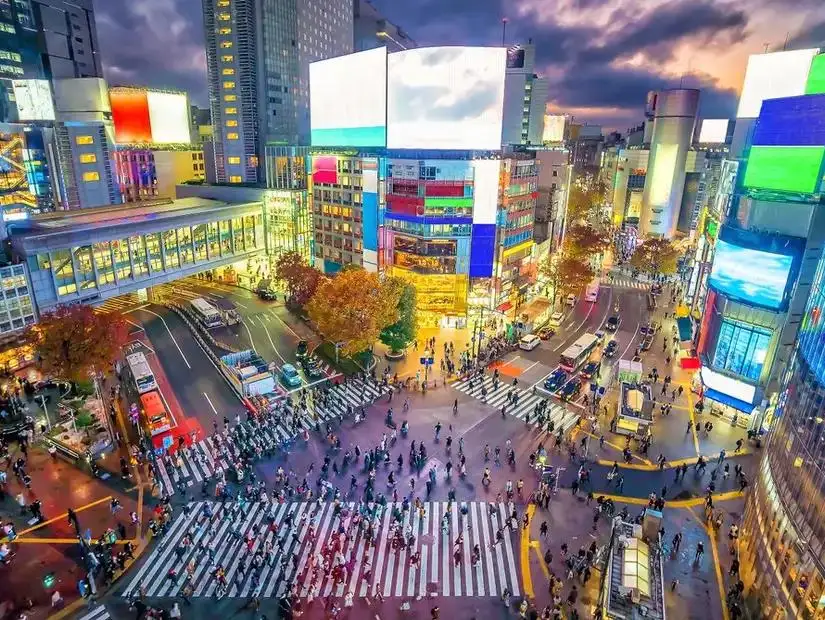
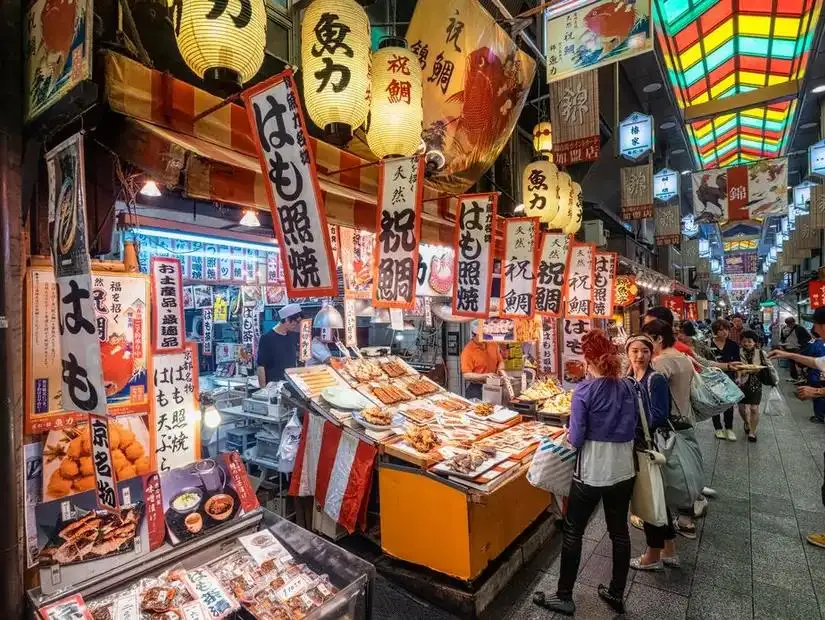
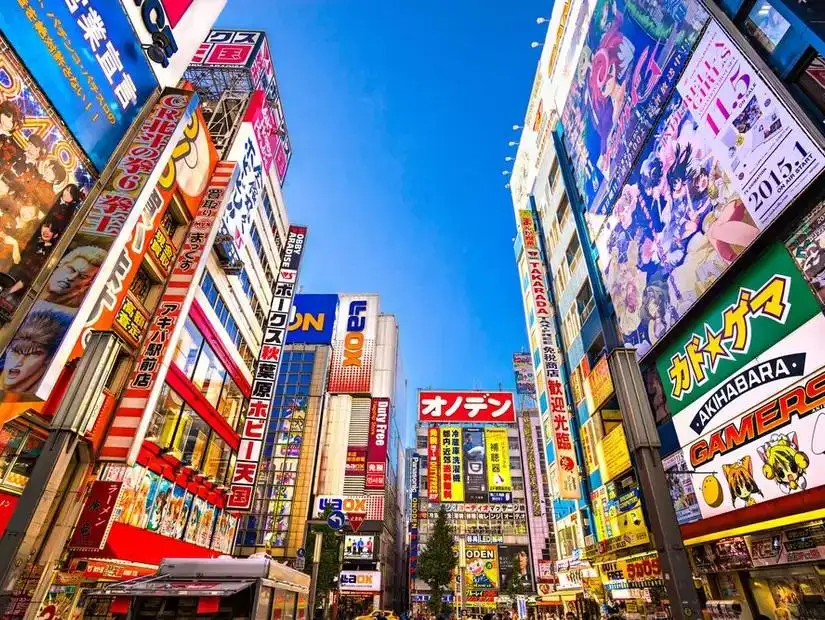
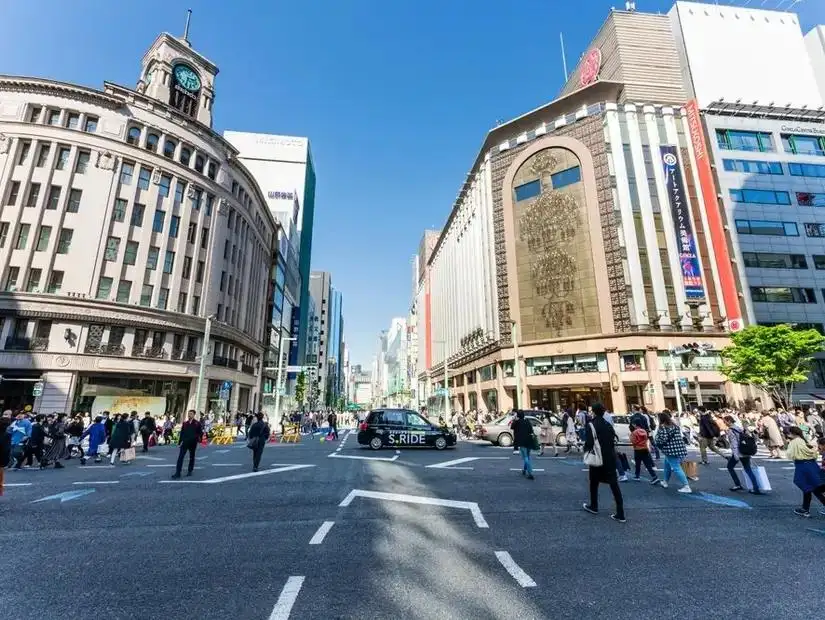
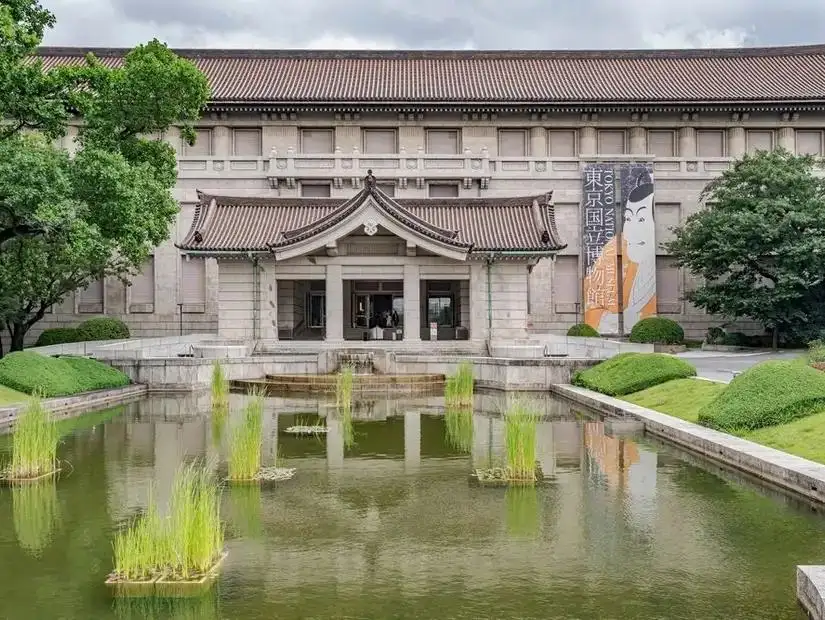
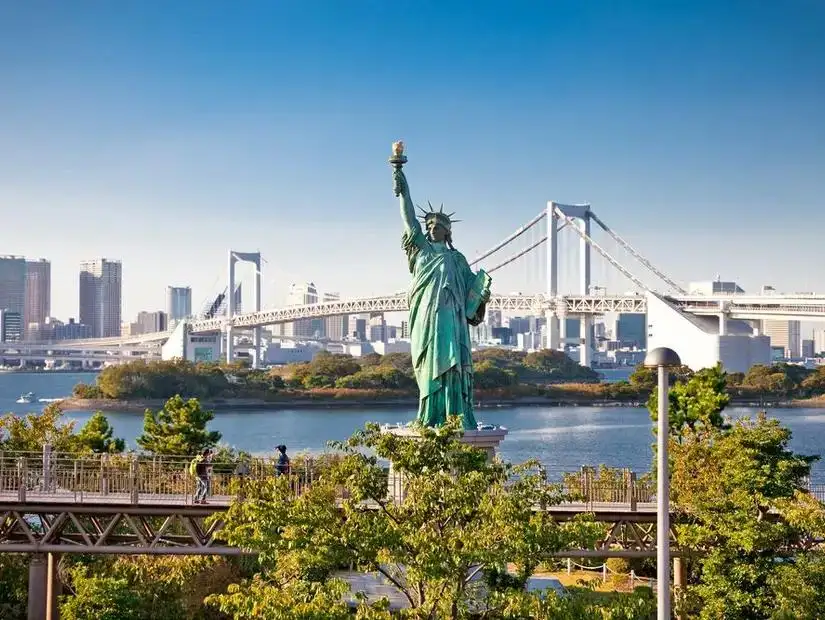
Asakusa is a historic district in Tokyo and one of the oldest neighborhoods in the city. It is renowned for its ancient temples, including the famous Senso-ji Temple. However, most visitors prefer its traditional shopping streets, such as Nakamise Street, which is lined with numerous shops and restaurants offering traditional Japanese foods. Tokyo Tower is a communications and tourism tower in Tokyo, Japan, standing at 333 meters tall. It is an iconic symbol of the city and features observation decks that offer stunning panoramic views of Tokyo. Built in 1958, it also serves as a broadcast tower for television and radio. Tokyo Tower is one of the most popular tourist attractions in the city. Entrance fee: 1200 yen for adults Mount Fuji is the highest peak in Japan, standing at 3,776 meters, located on Honshu Island. It is one of Japan's most iconic cultural landmarks and a UNESCO World Heritage site. Mount Fuji can be climbed during the summer season (July–September) via several routes. The weather can change rapidly, so it's crucial to check the forecast before your trip. The Kyoto National Museum of Culture in Japan is dedicated to preserving and showcasing Japan’s cultural and historical heritage. The museum displays a wide array of exhibits covering Japanese art, history, and antiquities, enhancing visitors' understanding of Japanese culture through interactive and educational displays. The museum focuses on providing comprehensive insights into Japan's history and cultural developments over the ages. Entrance Fee: 500 yen per adult. Nijo Castle in Kyoto, Japan, is a historic castle established in 1603 as the winter residence of the Tokugawa shogunate. The castle is renowned for its lavish design, reflecting the Edo period architectural style, and features expansive gardens, the main hall "Koman-Mon," "Hon Maru," and "Nani Maru," which contain many luxurious corridors. The castle is also famous for its distinctive "nightingale floors," which were designed to serve as an alarm system for intruders, making it one of the UNESCO World Heritage Sites. Entrance Fee: Starting from 800 yen per adult. Various tickets are available, and reservations in advance are required for some via the official website. Itsukushima, or Miyajima Island, is located in Hiroshima Bay, Japan. It is famous for its "floating red torii" gate and the Itsukushima Shrine, which appears to float on the water at high tide. The best times to visit are in spring and autumn to enjoy the beautiful weather and natural colors. Located in the Shibuya district of Tokyo, Japan, it is one of the busiest pedestrian crossings in the world. It is known for the massive flow of pedestrians in all directions when the pedestrian signals are activated. The unique design allows pedestrians to cross the streets in every direction simultaneously, creating a stunning and distinctive scene. It is a famous tourist spot and offers a fantastic opportunity to experience the vibrant urban life of Tokyo. Nishiki Market in Kyoto, Japan, is a famous 400-year-old market filled with stalls offering all kinds of Japanese foods. The market spans five blocks and houses over 100 shops. It is known for its vibrant atmosphere and authentic Kyoto food experience. The Hiroshima Peace Memorial Museum focuses on documenting the events of the atomic bombing of Hiroshima in 1945. Its aim is to promote peace and raise awareness about the effects of nuclear warfare. The museum displays a collection of documentary materials and personal items from the victims, along with explanations of the destructive impact of the atomic bomb on the city and its inhabitants. Entrance Fee: 200 yen for adults Akihabara is a well-known area in Tokyo, often referred to as the "Electric Town of Akihabara." It is famous for its wide range of electronic and electrical products. If you're a fan of anime and manga, this is the perfect destination for you, as you'll find specialized shops offering animated films and souvenirs. The area features a main street that branches off into smaller alleys, filled with shops, towering buildings, and halal restaurants to meet the needs of visitors. Ginza is one of the most famous shopping streets in Tokyo and is considered the perfect destination for those who want to indulge in shopping. The street is long and bustling, lined with numerous global brand stores, each spanning several floors. It’s often compared to Oxford Street in London. In addition, there are many restaurants and cafes along the street, with a nearby train station making it easily accessible. Shinsaibashi-Suji is one of the most famous and oldest shopping streets in Osaka, stretching approximately 600 meters. The street is known for its variety of stores, including both global and local fashion outlets, as well as restaurants and cafes. The street is covered with a glass roof, making it a comfortable shopping destination throughout the year. It is considered the commercial heart of Osaka and attracts visitors from all over the world. The Tokyo National Museum is the oldest and largest museum in Japan, located in Ueno Park, Tokyo. The museum houses over 110,000 artifacts, including important national treasures. It showcases a diverse range of Japanese and Asian artworks and is a part of a large cultural complex in Tokyo. Entrance fee: Adults 1000 yen, University students 500 yen. Odaiba can be accessed via the Rainbow Bridge or the futuristic Yurikamome train, and it is a high-tech entertainment hub located on an artificial island in Tokyo Bay. Visitors head to the Seaside Park beach, enjoy views of Mount Fuji from the Daikanransha Ferris wheel, and interact with robots at the Miraikan Science Museum. Shopping centers include Aqua City and the Venetian-themed Venus Fort, and there are sushi bars with views along the waterfront. Ninenzaka is a historic and charming street in Kyoto, Japan, known for its traditional atmosphere and old-world charm. The street is paved with stones and rises uphill, surrounded by old wooden buildings and shops selling handcrafted goods and traditional Japanese souvenirs. It is a popular destination for tourists who want to experience the old Kyoto vibes. In addition to the shops, visitors can enjoy traditional tea houses and taste authentic Japanese sweets while strolling along Ninenzaka. In conclusion, visiting the tourist spots in Japan offers you the chance to experience a unique blend of tradition and modernity, making your journey an extraordinary and repeatable experience. Don’t miss out on the special offers for booking your flights to Japan on WINGIE. You may also like:Asakusa District
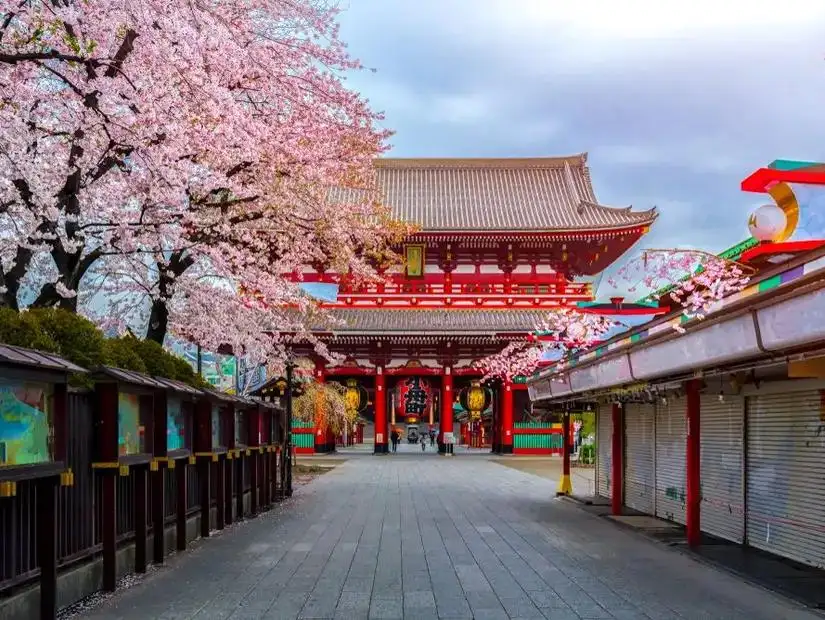
Tokyo Tower
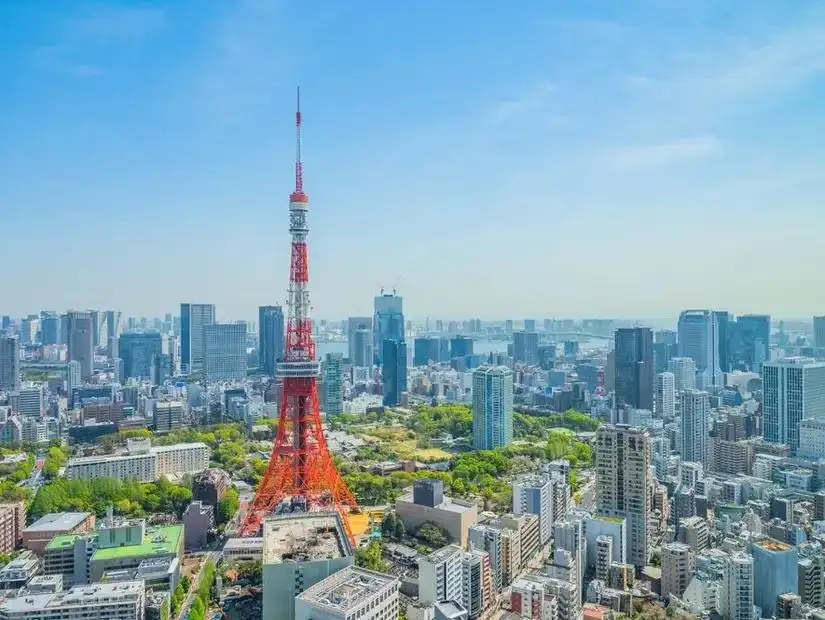
Mount Fuji
Kyoto National Museum of Culture
Nijo Castle
Itsukushima (Miyajima Island)
Shibuya Scramble Crossing
Nishiki Market
Hiroshima Peace Memorial Museum

Akihabara Electric Town
Ginza Street
Shinsaibashi-Suji Shopping Street

Tokyo National Museum
Odaiba
Ninenzaka