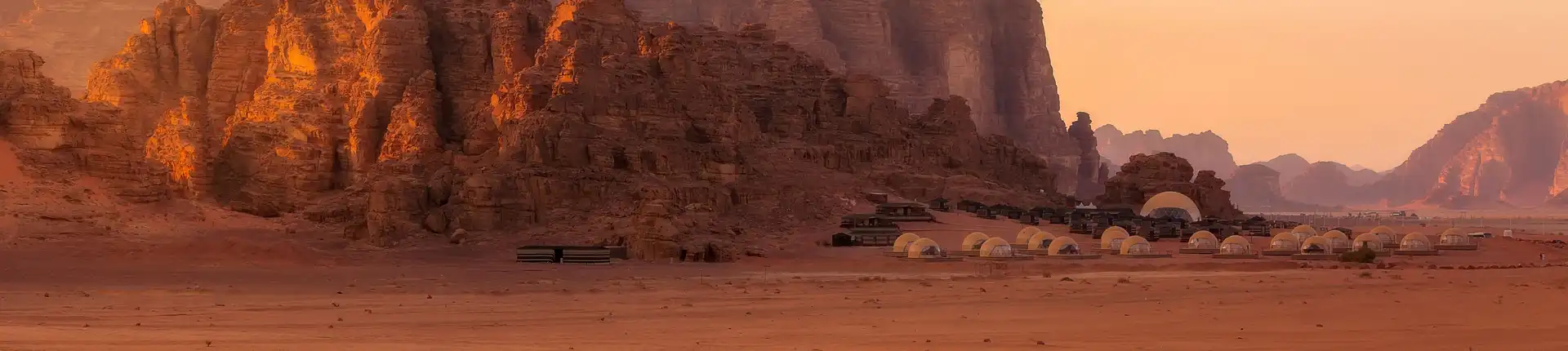
Top 10 Famous Movie Sets in the MENA Region


Some places look cinematic before a camera ever arrives. Across the Middle East and North Africa, desert valleys, ancient cities, dramatic coastlines and futuristic skylines have helped create some of the most memorable scenes in global cinema. One landscape becomes Mars. Another becomes Arrakis. A historic façade turns into a secret temple. A modern skyscraper becomes the stage for one of the boldest action sequences ever filmed.
For travelers, these locations offer more than a beautiful view. They offer the chance to step into places that have shaped the visual language of adventure, science fiction, fantasy and action films. From the red sands of Wadi Rum to the monumental rock formations of AlUla, from Morocco’s ancient kasbahs to Dubai’s skyline, the MENA region is full of destinations that feel like walking through a movie scene.
Here are 10 famous movie locations across the MENA region that film lovers can add to their travel list.
Why the MENA Region Is So Cinematic
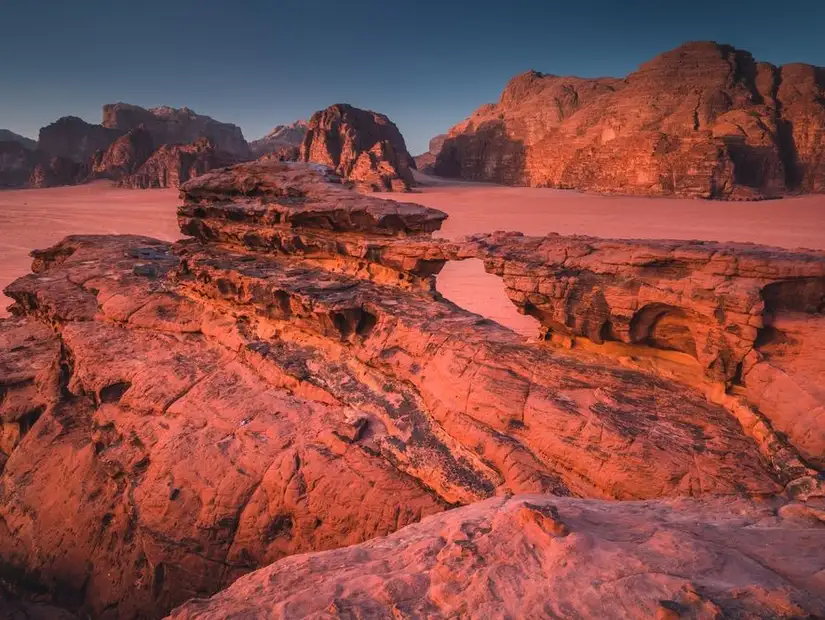
The region has a rare visual range. Vast deserts, golden light, sculptural rock formations, ancient architecture and open horizons make many destinations naturally suited for film. For science fiction, the landscapes can feel otherworldly. For historical epics, old towns, forts and archaeological sites create a strong sense of time and place. For action films, modern cities like Dubai and Abu Dhabi offer scale, energy and a futuristic atmosphere.
Another reason filmmakers are drawn to the region is contrast. In one trip, a traveler can move from quiet desert camps to lively medinas, from UNESCO-listed heritage sites to glass towers, from the silence of the dunes to the rhythm of a coastal city. That contrast gives films visual depth, and it gives travelers a route full of memorable stops.
1. Wadi Rum, Jordan
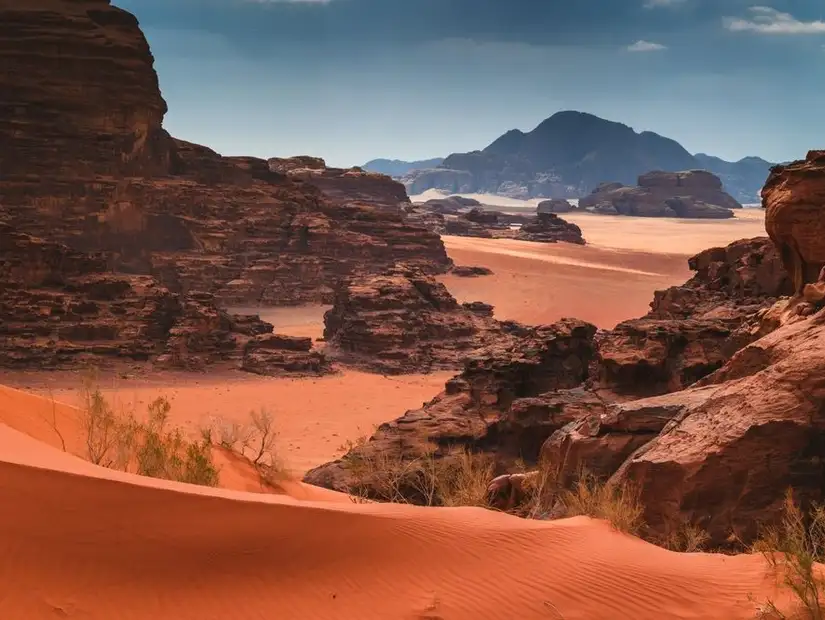
Wadi Rum is one of the most iconic desert film locations in the world. With its red sand, towering sandstone cliffs and wide-open silence, it has become a natural stand-in for distant planets and imagined worlds. Its landscape has appeared in films such as The Martian, Dune, Star Wars and Lawrence of Arabia.
What makes Wadi Rum so powerful on screen is its scale. The landscape feels endless, but it is never empty. Rock bridges, narrow canyons, wind-carved cliffs and glowing desert light give every frame a sense of drama. It can look like Mars, Arrakis or an ancient caravan route depending on the story being told.
For travelers, Wadi Rum is best experienced slowly. A jeep tour is the easiest way to see the major formations, while sunset stops show the desert at its most photogenic. Staying overnight in a desert camp adds another layer to the experience, especially when the sky fills with stars after dark.
2. AlUla, Saudi Arabia
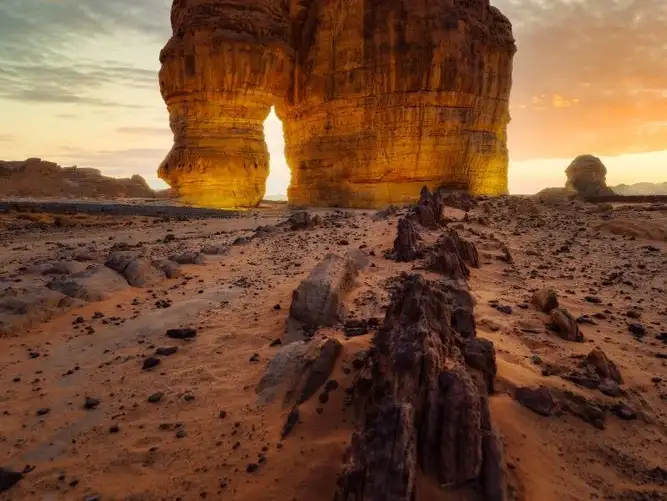
AlUla has quickly become one of the most exciting film destinations in the region. Its sandstone mountains, ancient tombs, desert valleys and striking rock formations give it a cinematic quality that feels both historic and futuristic. Productions including Kandahar, Cherry, Siwar and K-Pops have used AlUla’s landscapes as part of their visual world.
The appeal of AlUla is its combination of natural drama and deep heritage. Hegra, with its carved Nabataean tombs, brings ancient history into the landscape, while sites like Elephant Rock and the surrounding desert viewpoints create the kind of wide, atmospheric scenes that work beautifully on camera.
For travelers, AlUla is more than a quick photo stop. A good itinerary should include Hegra, AlUla Old Town, desert viewpoints and sunset experiences. The destination is especially strong for travelers who love photography, archaeology and cinematic landscapes in equal measure.
3. Liwa Desert and Al Dhafra, Abu Dhabi, UAE
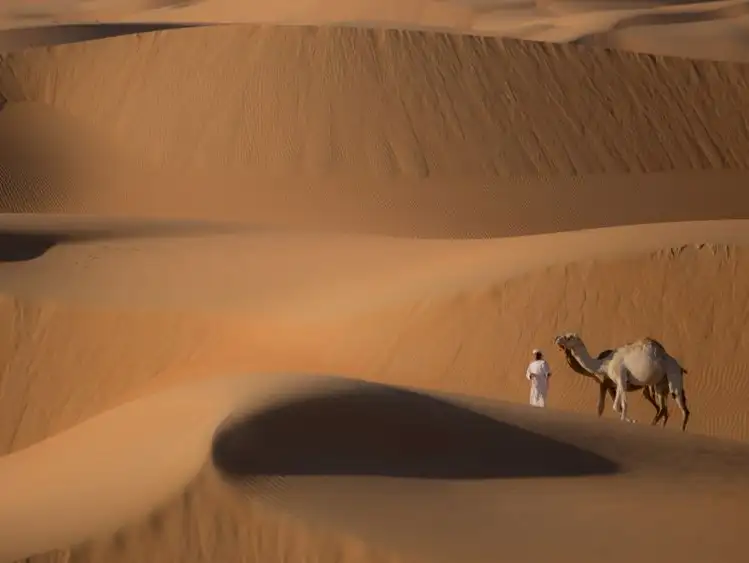
The Liwa Desert and the wider Al Dhafra region in Abu Dhabi have become closely associated with epic science fiction cinema. The vast dunes have appeared in films such as Dune, Dune: Part Two and Star Wars: The Force Awakens, helping create the feeling of faraway planets and endless desert worlds.
Unlike rocky desert landscapes, Liwa is defined by sweeping dunes and clean horizons. This makes it ideal for scenes that need scale, isolation and visual purity. The landscape feels enormous, especially at sunrise and sunset when the sand shifts between gold, orange and deep shadow.
For travelers, this part of Abu Dhabi offers a more immersive desert experience. Desert resorts, dune drives and guided excursions make it possible to explore the area comfortably. It is also one of the best destinations in the region for wide-angle desert photography.
4. Burj Khalifa, Dubai, UAE
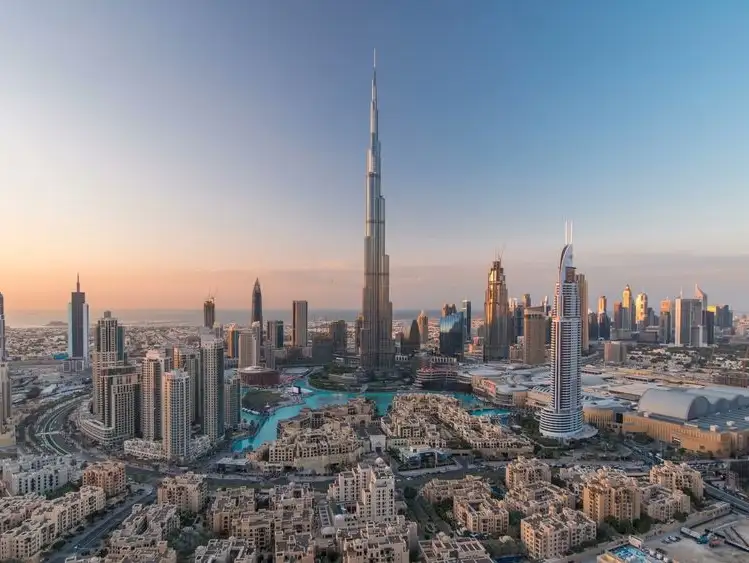
Not every cinematic location in the MENA region is made of sand and stone. Dubai’s Burj Khalifa became one of the region’s most recognizable film landmarks after its unforgettable appearance in Mission: Impossible – Ghost Protocol.
The scene captured exactly what makes Dubai so compelling on screen: height, ambition, glass, speed and spectacle. The Burj Khalifa is not just a building in the film; it becomes the center of the action.
For travelers, visiting the Burj Khalifa is one of Dubai’s classic experiences. The observation decks offer sweeping views over Downtown Dubai, the Dubai Fountain, Sheikh Zayed Road and the desert beyond the city. It is a different kind of movie-location experience: less about stepping into an ancient world, more about entering a modern action blockbuster.
5. Petra, Jordan
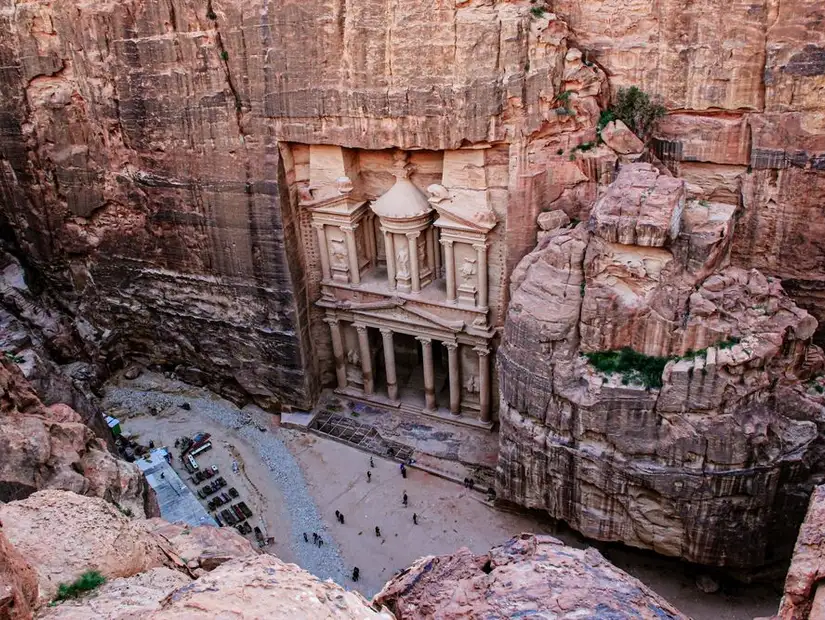
Petra is one of the most famous archaeological sites in the world, and its appearance in Indiana Jones and the Last Crusade helped introduce its dramatic beauty to an even wider audience. The Treasury, reached through the narrow canyon known as the Siq, became one of cinema’s most memorable adventure film locations.
The magic of Petra is that it already feels like a discovery. The walk through the Siq builds anticipation with every step, until the Treasury suddenly appears between the cliffs. It is easy to understand why filmmakers chose it for a story built around mystery, history and legend.
A visit to Petra deserves time. The Treasury is the most famous stop, but the wider site includes tombs, temples, viewpoints and the Monastery. Early morning is ideal for avoiding crowds and seeing the sandstone glow in softer light.
6. Aït Benhaddou, Morocco
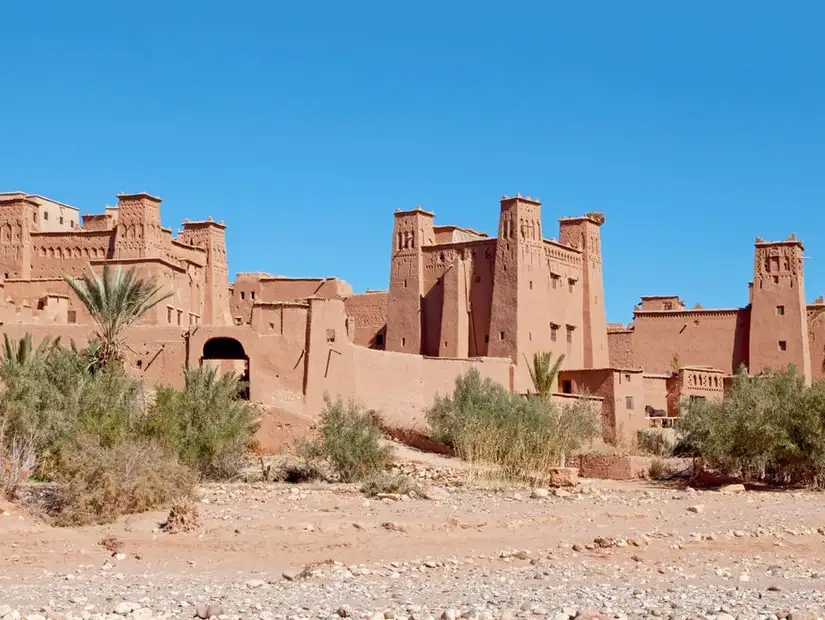
Aït Benhaddou is one of Morocco’s most cinematic destinations. This fortified village near Ouarzazate has appeared in productions such as Gladiator, The Mummy and Game of Thrones. With its mud-brick architecture, hilltop position and desert surroundings, it looks like a ready-made historical film set.
What makes Aït Benhaddou so visually strong is its texture. The earthen buildings, narrow paths, towers and warm tones create an atmosphere that works perfectly for ancient cities, desert kingdoms and epic journeys. It feels both real and mythical.
Travelers can explore the ksar on foot, climb to higher viewpoints and take in the surrounding valley. Many visitors combine Aït Benhaddou with Ouarzazate or a longer road trip toward the Sahara, making it a perfect stop on a Morocco film-location route.
7. Ouarzazate and Atlas Studios, Morocco
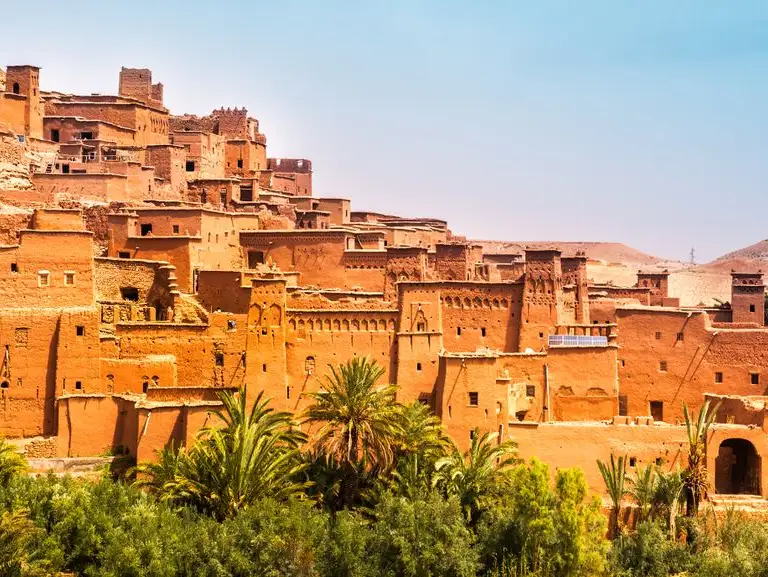
Ouarzazate is often called the gateway to the Sahara, but for film lovers it is also one of the most important production hubs in the region. Atlas Studios and the surrounding desert landscapes have been used for films including Gladiator, Kingdom of Heaven, The Mummy and Ben-Hur.
Unlike some of the natural locations on this list, Ouarzazate gives travelers the chance to visit actual film sets. Studio tours can include old city walls, palace-like structures, desert backdrops and props left behind from major productions. It is a place where the border between travel and cinema feels especially thin.
The city also works well as a base for exploring nearby kasbahs, desert roads and mountain landscapes. For anyone interested in how movies are built, not just where they are filmed, Ouarzazate is one of the most rewarding stops in MENA.
8. Essaouira, Morocco
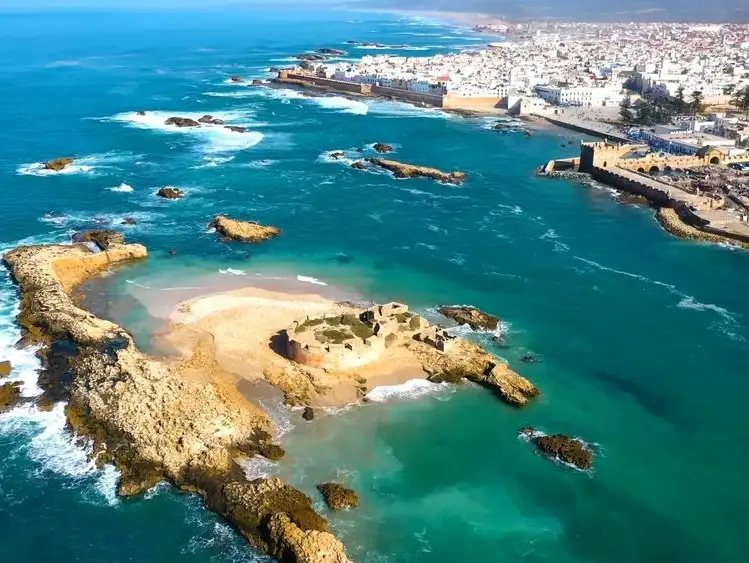
Essaouira adds a coastal mood to the region’s film-location map. While many MENA filming destinations are defined by desert and stone, Essaouira brings in Atlantic winds, blue fishing boats, sea walls and medina streets. Its historic ramparts and coastal atmosphere have made it a favorite for screen productions and visual storytelling.
The city is especially memorable because it feels lived-in and cinematic at the same time. The medina is full of movement, but the sea walls and ocean views create a sense of drama. It is easy to see why filmmakers are drawn to its mix of texture, history and atmosphere.
For travelers, Essaouira is also one of Morocco’s most relaxed destinations. Walking the ramparts, exploring the medina, photographing the harbor and enjoying fresh seafood all make it a strong contrast to the desert film trail around Ouarzazate and Aït Benhaddou.
9. Matmata, Tozeur and Tataouine, Tunisia
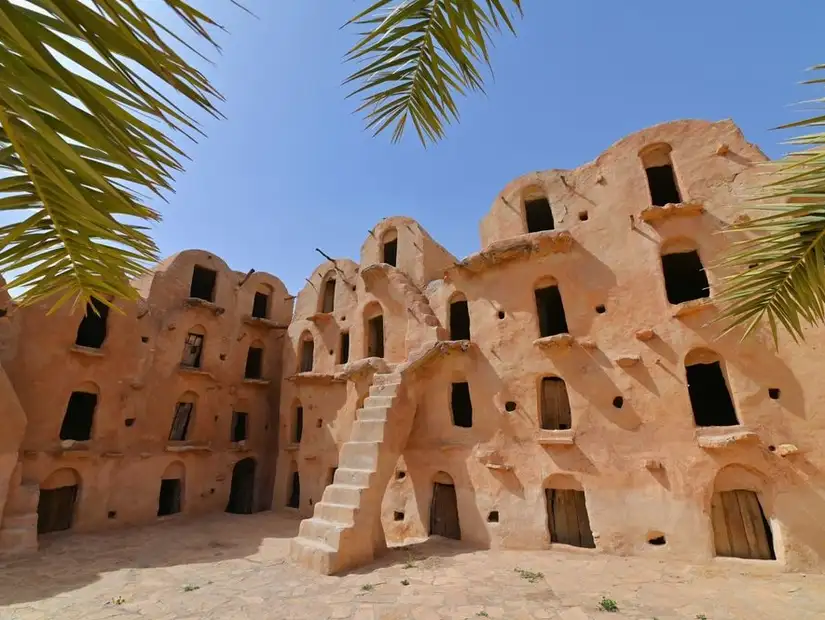
Tunisia holds a special place in cinema history thanks to its connection with Star Wars. Locations around Matmata, Tozeur and Tataouine helped shape the look and mythology of Tatooine, one of the most famous fictional planets in film.
The landscapes here feel both unusual and deeply rooted in local geography. Matmata is known for its underground homes, while desert areas around Tozeur and the salt flats of Chott el Jerid offer the kind of surreal scenery that works perfectly for science fiction. For fans, these places are more than filming locations; they are pilgrimage stops.
A Tunisia film route can include desert tours, old set remains, cave dwellings and wide salt-flat landscapes. It is a journey that combines pop culture with local architecture, desert travel and North African atmosphere.
10. Cairo, Giza, Luxor and Abu Simbel, Egypt
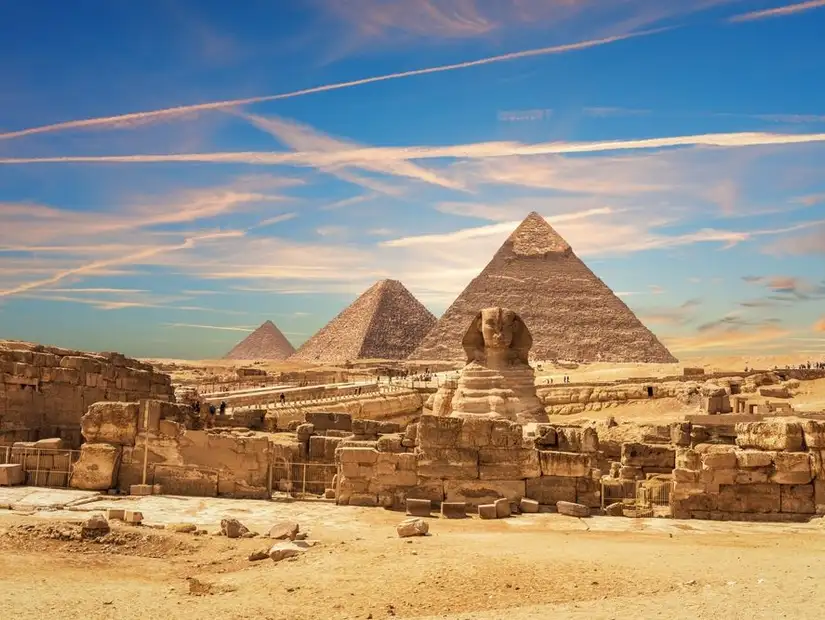
Egypt has long been associated with adventure cinema, spy films and classic travel storytelling. Its pyramids, temples, Nile scenery and historic streets have appeared in films such as The Spy Who Loved Me and have inspired countless cinematic depictions of mystery, archaeology and exploration.
Rather than one single location, Egypt works best as a cinematic route. Cairo and Giza bring the energy of the city and the timeless power of the pyramids. Luxor offers monumental temples and ancient tombs. Abu Simbel adds one of the most dramatic archaeological settings in the region.
For travelers, Egypt is ideal for those who want history at the center of their trip. A film-inspired journey can include the Pyramids of Giza, Khan el-Khalili, the Nile, Karnak Temple, Valley of the Kings and Abu Simbel.
Suggested Film-Lover Routes in the MENA Region
- If you want to turn these locations into a real trip, it helps to plan by region rather than trying to see everything at once.
- A Jordan and Saudi Arabia route can combine Petra, Wadi Rum and AlUla for a journey through desert cinema, Nabataean history and dramatic landscapes. This route is ideal for travelers who want heritage, adventure and photography.
- A UAE route can focus on Dubai and Abu Dhabi, combining the Burj Khalifa with the dunes of Liwa and Al Dhafra. This is a strong option for travelers who enjoy modern cities, luxury stays and sci-fi desert scenery.
- A Morocco film trail can include Marrakech, Aït Benhaddou, Ouarzazate, Atlas Studios and Essaouira. This route offers the best mix of historical epics, studio sets, kasbahs and coastal atmosphere.
- A Tunisia Star Wars route can connect Matmata, Tozeur, Chott el Jerid and the Tataouine area. It is especially appealing for fans who want to see the real landscapes behind one of cinema’s most famous fictional worlds.
- An Egypt adventure route can start in Cairo and Giza before continuing to Luxor and Abu Simbel. This route is perfect for travelers who love ancient history, classic cinema and iconic landmarks.
Travel Notes Before You Go
- Many of these locations are in desert or heritage areas, so planning matters. Check visa and border rules before building a multi-country itinerary. For remote desert destinations, travel with licensed guides where required and avoid exploring isolated areas without support.
- Seasonality is also important. Summer heat can be intense across much of the region, especially in desert locations. Spring, autumn and winter are generally more comfortable for outdoor sightseeing and photography.
- Drone and photography rules vary by country and site, so always check regulations before filming. Some archaeological and heritage areas may also have restrictions on equipment, commercial shooting or tripod use.
- Finally, treat these places as real destinations, not only as backdrops. Many are home to living communities, protected heritage sites and fragile desert ecosystems. Responsible travel helps preserve the landscapes that made them cinematic in the first place.
The MENA region has helped cinema imagine other planets, ancient kingdoms, lost cities and high-stakes adventures. But the real magic is that many of these places are not fictional at all. They are landscapes travelers can walk through, photograph and experience firsthand. These famous movie locations show why the region continues to inspire filmmakers and travelers alike. For film lovers, a trip across MENA is more than a vacation. It is a journey through some of the most unforgettable scenes ever brought to screen. To experience these, book your flight now on WINGIE and explore the region’s most unforgettable markets with exclusive prices and special offers.
You may also like:
- Top Spice Souqs in the MENA Region
- The Most Famous Castles in the MENA Region
- The Most Beautiful Natural Wonders in the MENA Region
- Top Camping Destinations in the MENA Region
- Best 15 Cities in Morocco to Visit
- Top 10 Family-Friendly Destinations
- Top Amusement Parks in Lebanon
- Top Attractions in Jordan
- Top 10 Restaurants in Cairo
- Top Oases in the MENA Region
- Top Destinations for the Eid Holiday in the MENA Region
- Top Archaeological Destinations in the MENA Region
- Top Diving Destination in the MENA Region
- Top Desert Safari Destinations in the MENA Region

