The Art of Souq Haggling: How to Bargain Like a Local in the MENA Region


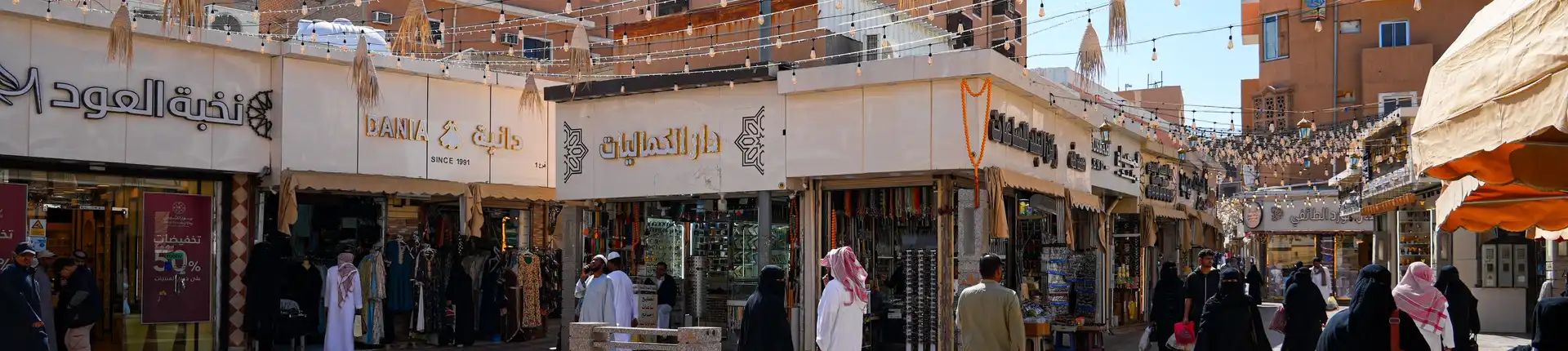
A visit to a Middle Eastern souq is rarely just about buying something. It is about following the scent of spices through narrow lanes, noticing lamps glowing inside small shops, touching embroidered fabrics, and hearing conversations move between Arabic, English, and the language of prices.
For first-time visitors, bargaining can feel intimidating. Some travelers worry about paying too much, while others fear saying the wrong thing or offending the seller. But in many traditional markets, haggling is not a hostile conflict between buyer and vendor. It is a social exchange shaped by humor, patience, curiosity, and mutual respect.
The goal is not to win at all costs. It is to reach a price that feels fair to both sides, while enjoying one of the most memorable parts of shopping in the Middle East.
Cultural Overview of Market Bargaining
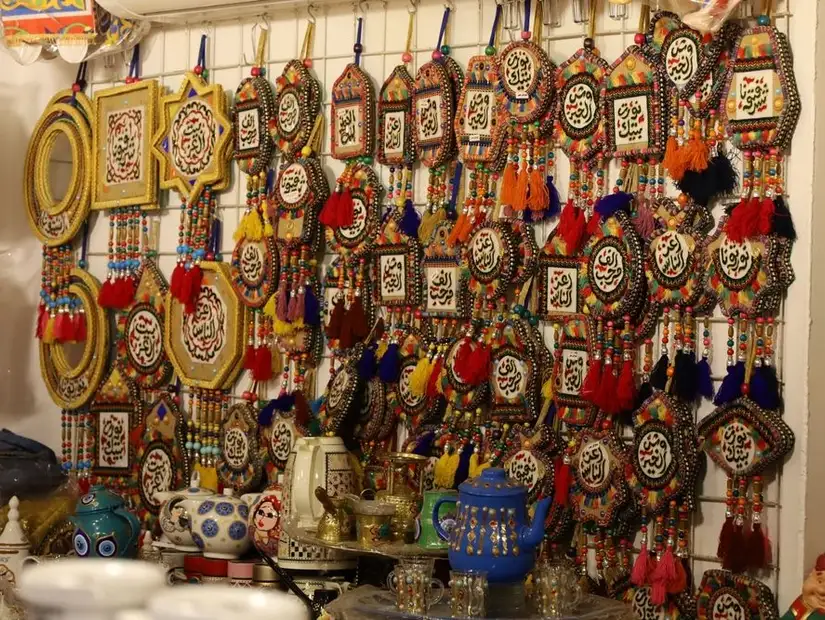
In a traditional souq, the first price is often an invitation to begin a conversation rather than the final figure. You may be offered mint tea, asked where you are from, or invited to look at several versions of the same item before price is even mentioned.
This is why bargaining works best when you change your mindset. Do not approach it as a battle where one person must lose for the other to win. Think of it as a collaborative social dance.
The seller understands the value of the item, the cost of sourcing or making it, and the market’s usual price range. You bring your own budget, level of interest, and ability to compare similar items elsewhere. Between those two positions, there is room for a conversation.
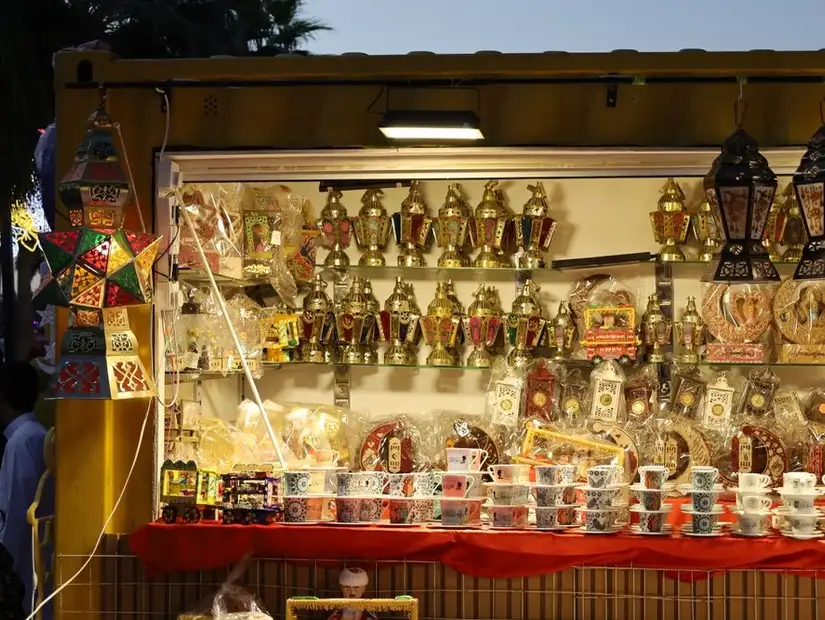
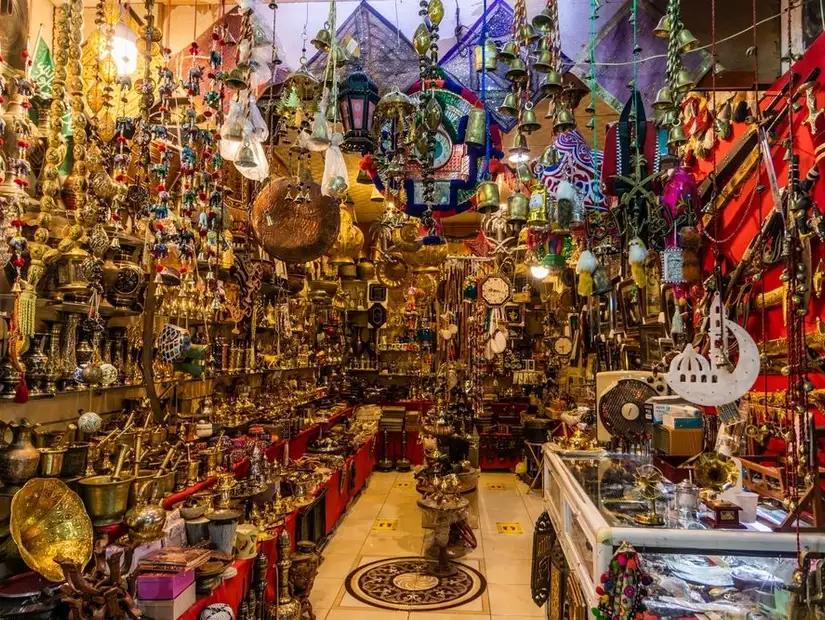
In markets across the Middle East, you may find jewelry, hand-painted ceramics, perfumes, spices, textiles, leather goods, dates, lanterns, antiques, and locally made souvenirs. Some products are handmade, some are imported, and some may be available in many neighboring stalls. The more you understand what you are buying, the easier it becomes to judge whether a price feels reasonable.
The most experienced shoppers are not necessarily the loudest. They are the ones who stay calm, ask questions, compare options, and know when to walk away politely.
A warm tone matters. Smiling, greeting the seller, and showing genuine interest in an item can take you much further than demanding an immediate discount. Even when the final price is not perfect, a pleasant interaction often makes the purchase feel more meaningful.
Fundamental Rules of Souq Etiquette
Before you begin bargaining, remember that not every shop, city, or product follows the same customs. Some stalls welcome negotiation openly, while others operate with clearly marked fixed prices. Read the space before you begin. Here are the essential rules to keep in mind:
- Start with a greeting. A simple “Salam alaikum” or “Marhaba” immediately creates a warmer atmosphere. Even if you continue in English, the effort is appreciated.
- Let the vendor name the first price. Ask how much the item costs before sharing your budget. This gives you a starting point and helps you understand how the seller positions the product.
- Do not show too much excitement too early. You can admire an item without immediately saying it is the most beautiful thing you have seen. Keep your interest calm and thoughtful.
- Make a realistic counteroffer. An extremely low offer can feel dismissive, especially for handmade or labor-intensive goods. Start below your ideal budget but keep the number believable.
- Stay warm and respectful. Bargaining should never involve raised voices, sarcasm, or visible frustration. A smile and a relaxed tone will usually achieve more than pressure.
- Ask questions about the item. Where was it made? Is it hand-painted? Is the scarf wool, silk, or a blend? Asking about craftsmanship not only helps you shop smarter but also shows respect for the seller’s work.
- Do not bargain unless you are genuinely interested. Negotiating intensely over an item you have no intention of buying can be frustrating for the vendor. Bargain when you are seriously considering the purchase.
- Be ready to walk away politely. If the price does not work for you, say thank you and leave without drama. Sometimes the seller may call you back with a better offer. Sometimes they will not, and that is completely fine.
- Agree before paying. Once you have settled on a price, treat the agreement seriously. Do not try to reopen the negotiation after the seller has accepted your offer.
- Carry cash when possible. Many souqs now accept cards or digital payments, but cash can make small purchases easier and gives you more control over your spending.
The best result is not necessarily the lowest number. It is leaving with an item you love, at a price you are comfortable paying, after an exchange that feels respectful to everyone involved.
Places Where Bargaining Is Inappropriate
One of the easiest ways to avoid an awkward moment is to know when not to negotiate. Modern shopping malls, international brands, department stores, supermarkets, pharmacies, hotel boutiques, ticket offices, and most restaurants operate with fixed prices. In these places, the amount shown on the tag, menu, or receipt is usually the amount you are expected to pay.
The same applies to many cafés, bakeries, museum shops, and chain stores. Asking for a discount in these environments may confuse staff or make the interaction uncomfortable.
Some souq shops also use fixed prices, especially those with clearly labelled tags, official certificates, or more formal retail displays. When in doubt, simply ask: “Is this fixed price?” The seller will let you know.
Food is another area where bargaining is usually less common, particularly when prices are displayed. You may be able to receive a better overall price when buying large quantities of spices, nuts, or dates, but this should feel like a friendly bulk-purchase conversation rather than a hard negotiation.
The real art of souq haggling is knowing when to negotiate, when to accept, and when to let the moment remain simple.
A Middle Eastern souq is not just a place to shop. It is a place to slow down, listen, ask questions, and discover the stories behind the objects you bring home. Book your next flight with WINGIE, leave room in your itinerary for an afternoon at the market, and discover how a simple purchase can become one of the most memorable moments of your journey.
You may also like:
- Top 10 Famous Movie Sets in the MENA Region
- Astrotourism in the MENA Region: Top Desert Spots for Stargazing in Saudi Arabia
- Top Museums in Saudi Arabia
- An Ultimate Guide to Glamping in Saudi Arabia
- An Ultimate Guide to the Incense Route: A Historic Saudi Arabia Itinerary
- An Ultimate Guide to Shopping Authentic Saudi Arabian Handicrafts
- Best Beaches in Saudi Arabia
- Top Landmarks in Saudi Arabia
- The Best Parks in Saudi Arabia
- Top Attractions in the Eastern Province of Saudi Arabia
- Top Gold Souqs in Saudi Arabia
- An Ultimate Guide to Al Namas
- Top Attractions in Al-Qatif
- An Ultimate Guide to Alrabia Mall
- Top Spice Souqs in the MENA Region
- The Most Famous Castles in the MENA Region
- The Most Beautiful Natural Wonders in the MENA Region
- Top Camping Destinations in the MENA Region
- Best 15 Cities in Morocco to Visit
- Top 10 Family-Friendly Destinations
- Top Amusement Parks in Lebanon
- Top Attractions in Jordan
- Top 10 Restaurants in Cairo
- Top Oases in the MENA Region
- Top Destinations for the Eid Holiday in the MENA Region
- Top Archaeological Destinations in the MENA Region
- Top Diving Destination in the MENA Region
- Top Desert Safari Destinations in the MENA Region

