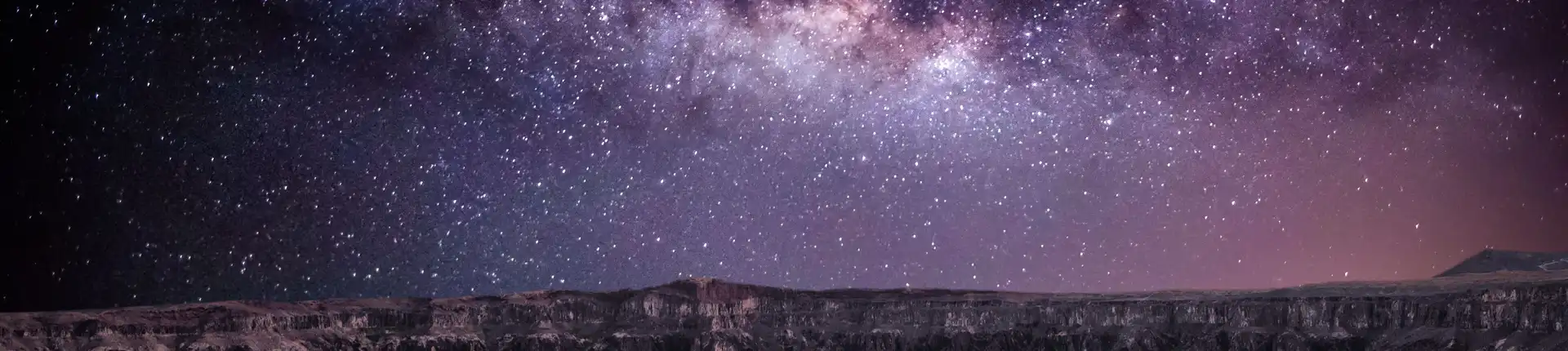
Astrotourism in the MENA Region: Top Desert Spots for Stargazing in Saudi Arabia


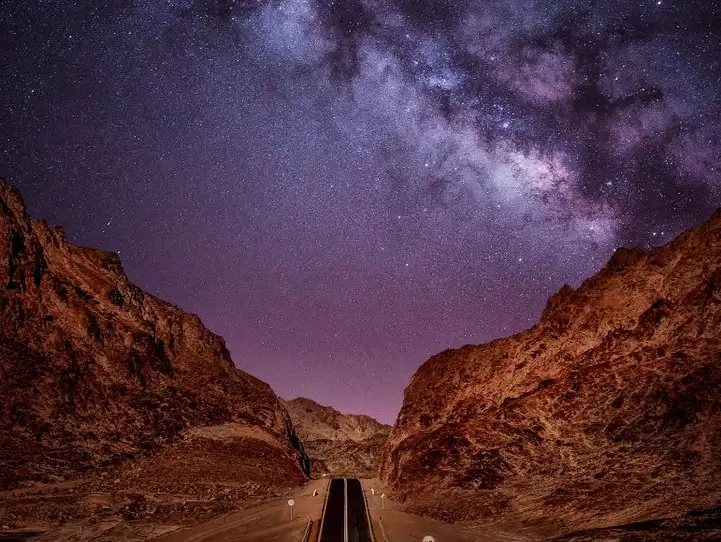
Astrotourism is no longer a niche travel trend. Across the Middle East, travelers are looking beyond city lights and luxury resorts for something quieter, darker, and more unforgettable: a sky full of stars. Saudi Arabia is becoming one of the region’s most exciting destinations for this kind of travel, thanks to its vast deserts, dramatic rock formations, remote landscapes, and growing focus on dark-sky protection.
For travelers interested in stargazing, astrophotography, desert camping, or slow nights under the Milky Way, the Kingdom offers some of the most atmospheric night-sky experiences in the region. In this article, we'll explore the premier stargazing locations across the Kingdom, break down how the Bortle Scale measures night-sky clarity, and share practical planning advice regarding moon phases and desert electronics.
Why Saudi Arabia Is Emerging as an Astrotourism Destination
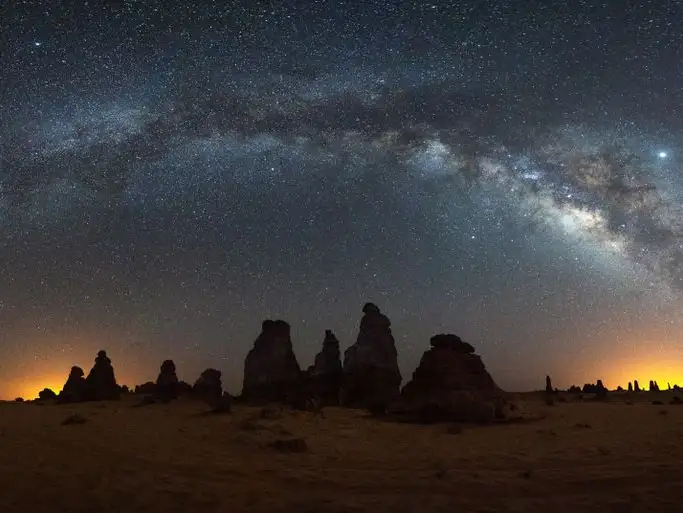
Saudi Arabia’s geography gives it a natural advantage. Much of the country’s interior is made up of wide desert spaces, mountain plateaus, volcanic landscapes, and remote protected areas far from major city light pollution. In the right conditions, these places can offer exceptionally clear night skies.
One useful way to understand sky quality is the Bortle Scale, a nine-level system used to describe how dark or light-polluted a night sky is. Class 1 represents the darkest skies, where the Milky Way can appear bright and detailed. Class 9 represents inner-city skies, where only the brightest stars are visible.
For travelers, the idea is simple: the lower the Bortle number, the better the stargazing potential.
| Sky Type | Bortle Class | What You May See |
|---|---|---|
| Inner-city sky | 8–9 | Few stars, heavy light pollution |
| Suburban sky | 5–7 | Some constellations, limited Milky Way visibility |
| Rural sky | 3–4 | Clearer constellations and better contrast |
| Dark desert sky | 1–2 | Milky Way, deep star fields, stronger naked-eye visibility |
AlUla: The Gulf’s First Certified Dark Sky Park
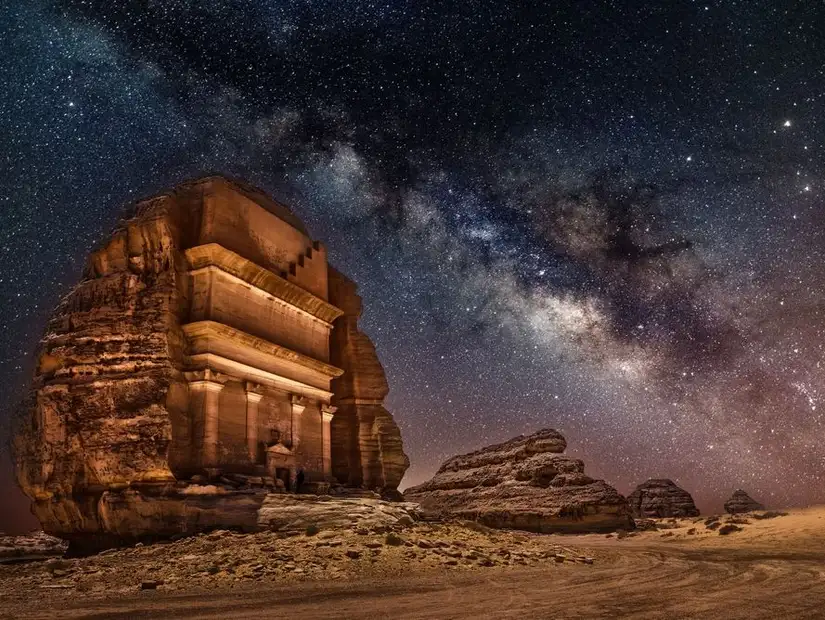
AlUla is now one of the most important astrotourism destinations in the Gulf. Known for its sandstone cliffs, ancient heritage sites, and desert valleys, it has also gained recognition for the quality of its night skies.
The best-known stargazing backdrop is Gharameel, where unusual rock formations rise from the desert floor and create a striking setting for astrophotography. Under a clear sky, the contrast between the rocks and stars can feel cinematic. Sharaan National Park and AlUla’s wider protected landscapes also add to the area’s appeal, combining conservation, astronomy, and cultural tourism.
For travelers who want a guided experience rather than a fully independent camping trip, AlUla is one of the most accessible choices. Stargazing tours, heritage experiences, and astronomy-focused developments make it ideal for first-time astrotourists.
AlNufud Desert, Hail: Vast Dunes and Deep Darkness
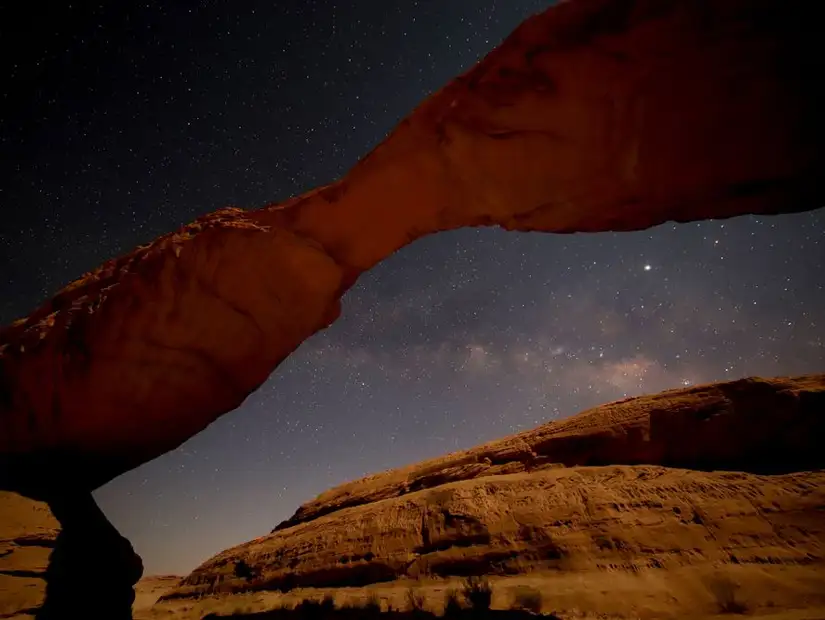
AlNufud is one of Saudi Arabia’s most impressive desert landscapes, known for its reddish-orange dunes and remote northern location. Its scale is part of the appeal. The further travelers move away from city light, the more dramatic the night sky becomes.
Unlike coastal destinations, AlNufud is not shaped by humidity in the same way. On clear nights, this can make the stars feel sharper and the horizon wider. For desert campers and photographers, the huge dunes offer strong foregrounds for night-sky images.
Because this is a remote desert environment, planning matters. Travelers should go with experienced guides, appropriate vehicles, and proper supplies rather than treating it as a casual self-drive stop.
Rub al Khali: Pure Off-Grid Stargazing
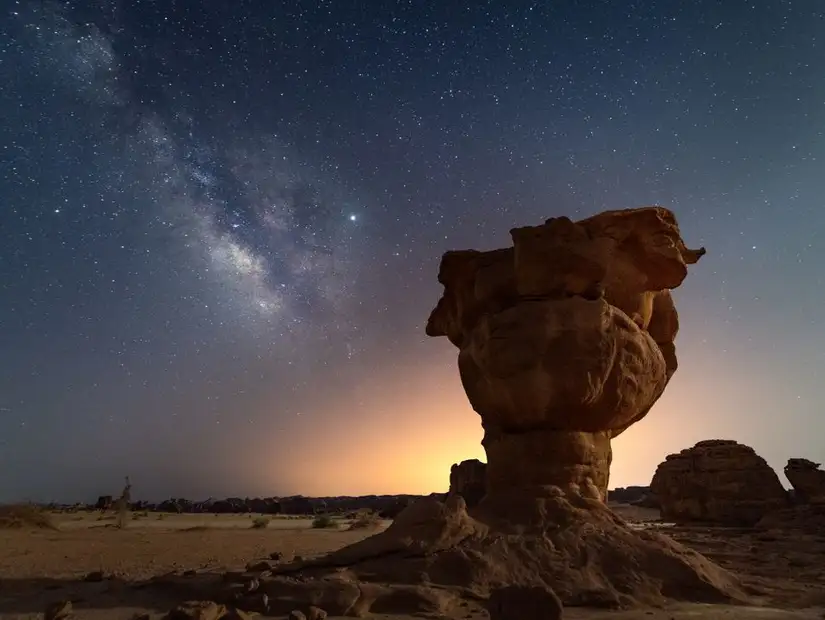
The Rub al Khali, or Empty Quarter, is one of the most legendary desert landscapes in the world. It is vast, remote, and deeply atmospheric, making it one of the region’s ultimate settings for naked-eye astronomy.
This is not the easiest stargazing destination, but that is exactly what makes it special. With minimal light pollution in remote areas, the Empty Quarter offers the kind of silence and darkness that many travelers rarely experience.
A trip here is best planned as a guided desert expedition. Expect long drives, limited services, and an environment that demands respect. For experienced desert travelers, however, few places feel as powerful under the stars.
Al Wahbah Crater: Stargazing Over a Volcanic Rim
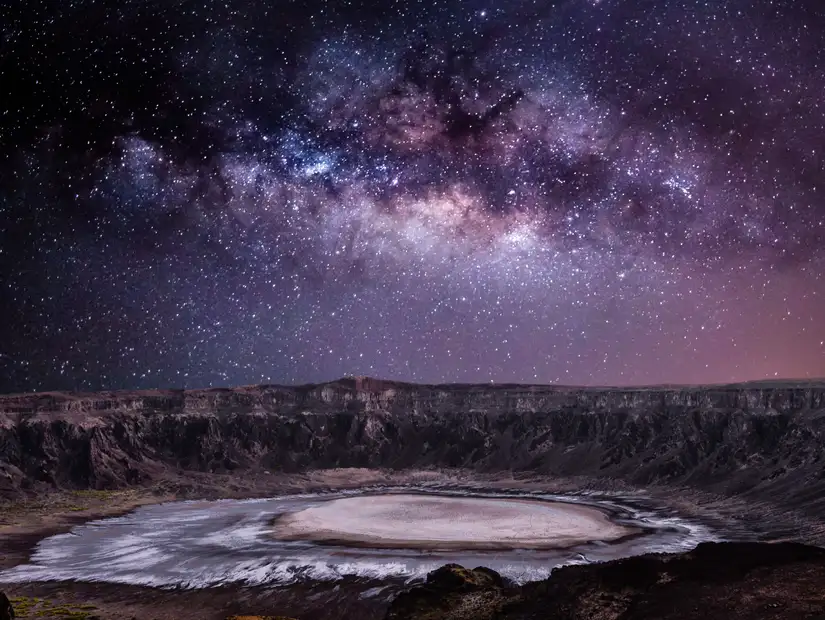
Al Wahbah Crater offers a different kind of night-sky setting. Located on the Harrat Kishb volcanic plateau, the crater is known for its dramatic circular shape, steep walls, and pale mineral floor. By day, it is a geological landmark; by night, its remote setting can make it a memorable stargazing location.
The crater’s rim creates a striking foreground for photography, especially when paired with star trails or Milky Way shots. Travelers should plan carefully, arrive before sunset, and check local access conditions before visiting.
Best Time for Desert Stargazing in the Gulf
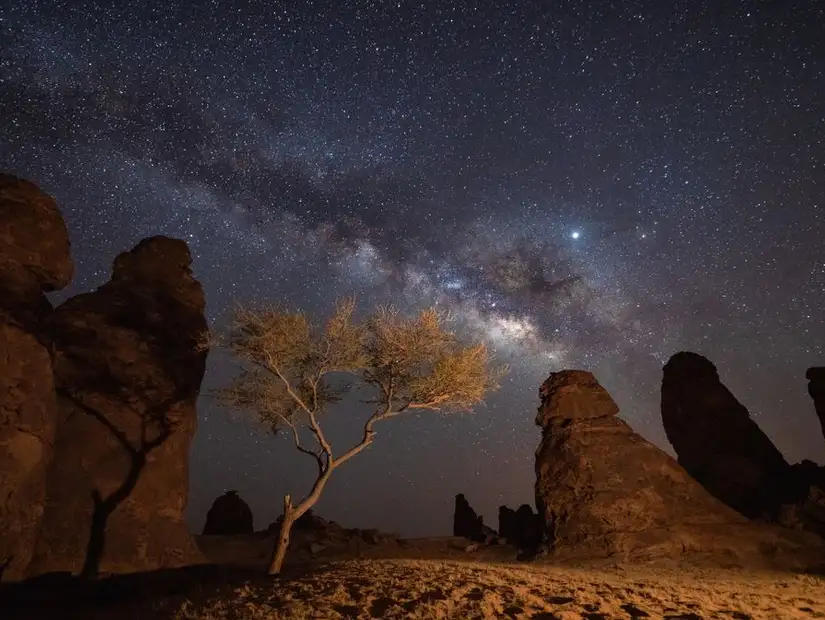
The most comfortable season for desert stargazing is usually from October to April. Nights are cooler, skies can feel clearer, and camping conditions are more pleasant.
From May to September, temperatures can be challenging, but this is also the period when the dramatic core of the Milky Way is often most visible in the region. Travelers planning summer stargazing should choose safe, guided trips and avoid underestimating desert heat.
Always check moon phases before booking. A bright full moon can wash out the stars, while a new moon or crescent moon period usually offers better conditions.
Stargazing Etiquette in the Desert
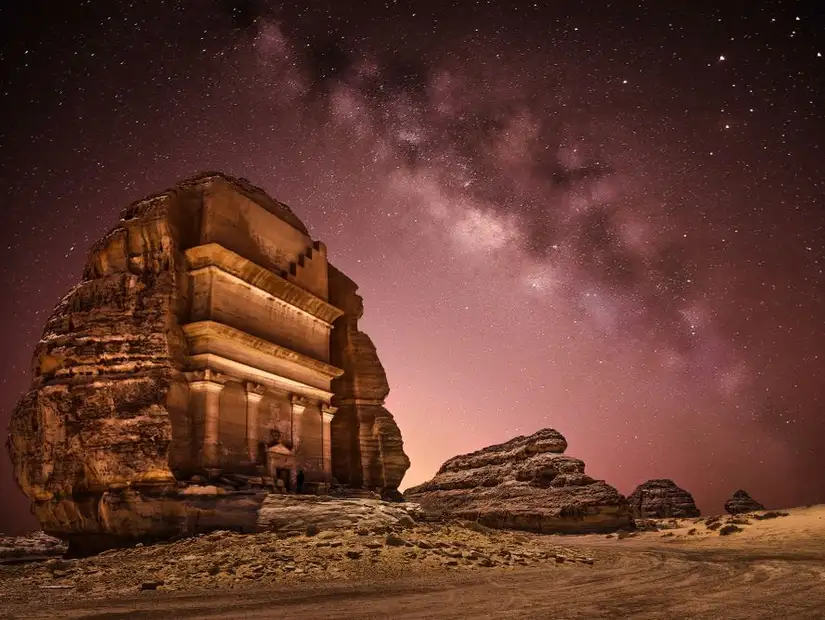
Good stargazing depends on darkness. Use red-light filters on flashlights and headlamps to protect night vision. Avoid using car headlights near viewing areas once people are observing or photographing the sky.
Set up camp before sunset so you are not driving through dark areas later. Keep phone brightness low, avoid loud music, and leave the landscape as you found it. Responsible astrotourism protects both the night sky and the desert environment.
Practical Planning Tips
For desert camping or off-road routes, check whether permits, guides, or official tour arrangements are required. Choose a suitable vehicle, carry extra water, and avoid traveling into remote desert areas alone.
For astrophotography, pack a tripod, remote shutter, spare batteries, and a wide-angle lens. Even in the desert, bring warm layers, as temperatures can drop sharply after sunset.
Saudi Arabia’s dark skies are becoming a major reason to travel. Whether you choose AlUla’s rock formations, AlNufud’s dunes, the Empty Quarter’s silence, or Al Wahbah’s volcanic rim, astrotourism in the Kingdom offers a rare chance to look up and see the desert in a completely different light. To experience the magic of the desert for yourself, book your flight to Saudi Arabia with WINGIE and prepare for an unforgettable journey under the stars.
You may also like:
- Top 10 Famous Movie Sets in the MENA Region
- Top Museums in Saudi Arabia
- An Ultimate Guide to Glamping in Saudi Arabia
- An Ultimate Guide to the Incense Route: A Historic Saudi Arabia Itinerary
- An Ultimate Guide to Shopping Authentic Saudi Arabian Handicrafts
- Best Beaches in Saudi Arabia
- Top Landmarks in Saudi Arabia
- The Best Parks in Saudi Arabia
- Top Attractions in the Eastern Province of Saudi Arabia
- Top Gold Souqs in Saudi Arabia
- An Ultimate Guide to Al Namas
- Top Attractions in Al-Qatif
- An Ultimate Guide to Alrabia Mall
- Top Spice Souqs in the MENA Region
- The Most Famous Castles in the MENA Region
- The Most Beautiful Natural Wonders in the MENA Region
- Top Camping Destinations in the MENA Region
- Best 15 Cities in Morocco to Visit
- Top 10 Family-Friendly Destinations
- Top Amusement Parks in Lebanon
- Top Attractions in Jordan
- Top 10 Restaurants in Cairo
- Top Oases in the MENA Region
- Top Destinations for the Eid Holiday in the MENA Region
- Top Archaeological Destinations in the MENA Region
- Top Diving Destination in the MENA Region
- Top Desert Safari Destinations in the MENA Region

