An Ultimate Guide to the Incense Route: A Historic Saudi Arabia Itinerary


Long before modern highways and airports connected the Arabian Peninsula, caravans crossed the region carrying some of the ancient world’s most valuable goods. Frankincense, myrrh, spices, textiles, and precious materials moved through desert roads, mountain passes, oasis towns, and Red Sea ports.
Today, travelers can follow echoes of those routes through Saudi Arabia, tracing a cultural journey from the southern borderlands to the ancient landscapes of AlUla. This is not just a road trip. It is a route through trade, architecture, mountains, ports, and desert history.
In this article, we'll explore a complete south-to-north road trip itinerary through Saudi Arabia, uncovering ancient archaeological wonders, historic Red Sea ports, and the timeless landscapes that shaped global trade.
The Legacy of the Incense Route
The Incense Route was a vast network of overland and maritime trade paths linking southern Arabia with the Mediterranean world. Frankincense and myrrh, sourced mainly from the southern Arabian Peninsula and surrounding regions, were highly prized for religious rituals, medicine, perfume, and royal ceremonies.
Caravans moved slowly, relying on water stops, fortified settlements, mountain corridors, and oasis towns. Along the way, communities grew rich by offering protection, supplies, trade services, and market access.
A Saudi road trip inspired by this history is best approached from south to north, beginning near Najran and moving through Asir, Jeddah, Medina, and finally AlUla.
Leg 1: Najran and Al-Ukhdood, the Southern Gateway
Najran is one of the most atmospheric starting points for an Incense Route journey. Set near Saudi Arabia’s southern edge, it has long been associated with caravan movement, oasis life, and ancient settlement.
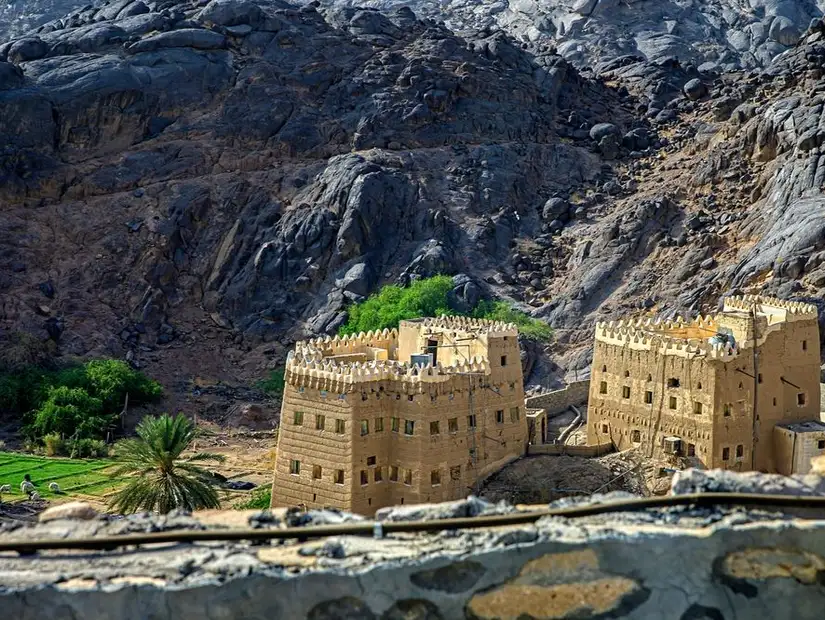
The key stop is Al-Ukhdood, an archaeological site with fortress remains, stone inscriptions, and traces of ancient urban life. For travelers, it offers a powerful introduction to the scale of trade and settlement in southern Arabia.
Najran also gives the journey a strong sense of place. Its mud-brick architecture, palm groves, markets, and surrounding desert landscapes help connect the modern city to its older role as a southern gateway.
Leg 2: Asir Mountains and Rijal Almaa, the Highland Fortresses
From Najran, the road north toward Asir brings a dramatic change in scenery. Instead of open desert, travelers enter highland terrain, mountain roads, cooler air, and steep valleys. This part of the journey shows how ancient trade was shaped not only by distance, but by geography.
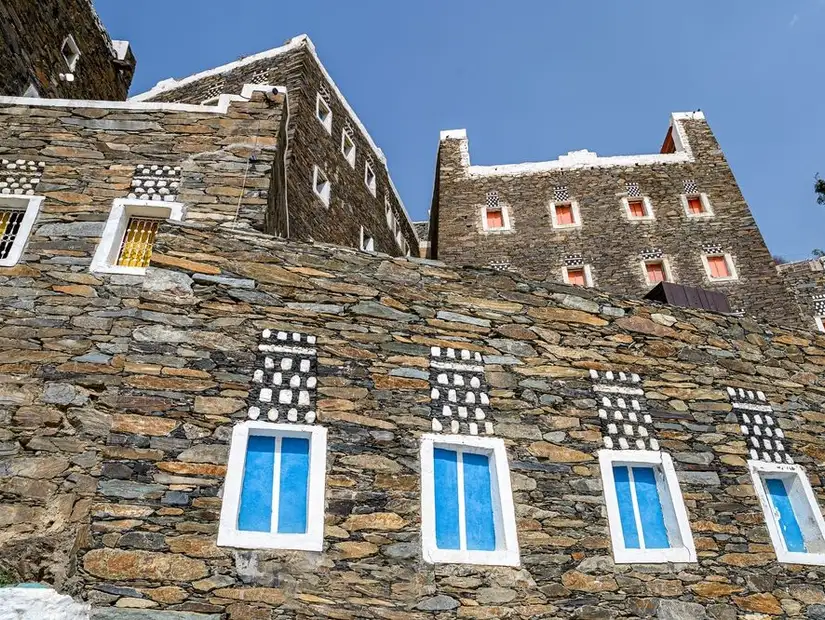
Rijal Almaa is one of the region’s most visually striking heritage villages. Its multi-story stone buildings, decorated windows, and fortress-like appearance make it feel unlike anywhere else in the Kingdom. Historically, the area served as a mountain corridor linking people and goods moving between Yemen, the Levant, Makkah, and Madinah.
For a road trip, this leg adds texture and contrast. It is slower, more scenic, and best enjoyed with time for viewpoints, local food, and village exploration.
Leg 3: Jeddah and Al-Balad, the Historic Red Sea Port
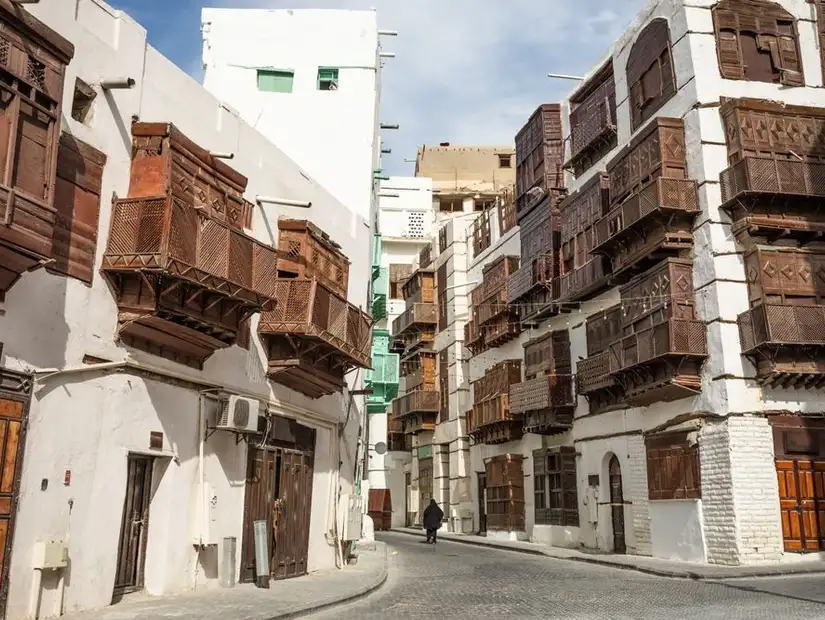
Jeddah brings the route to the sea. For centuries, it was one of the most important ports on the Red Sea, connecting maritime trade with inland pilgrimage and caravan routes.
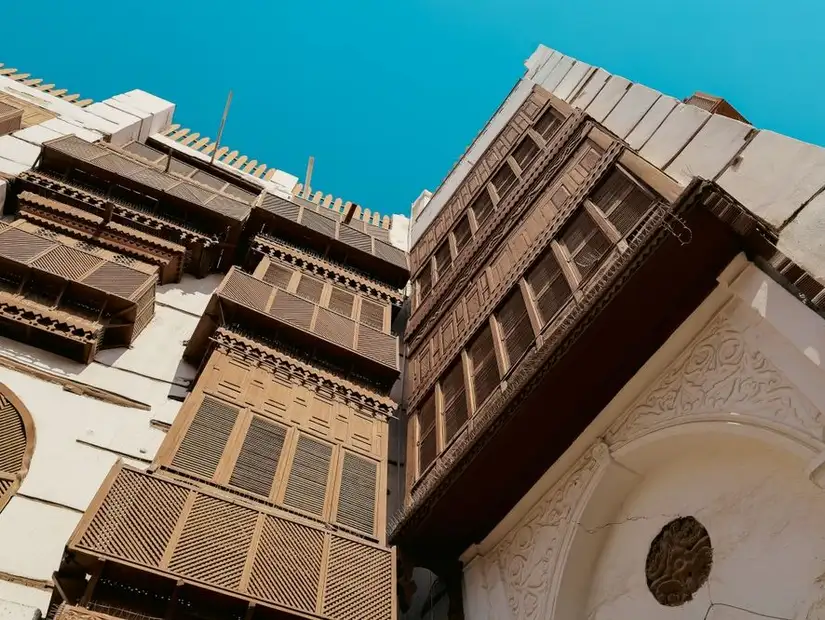
Al-Balad, the historic district, is the essential stop. Its coral-stone buildings, wooden rawashin balconies, merchant houses, narrow lanes, and souks tell the story of a city built on trade and movement. Goods, pilgrims, merchants, and ideas all passed through Jeddah, making it a natural midpoint in this cultural itinerary.
A day in Al-Balad should be slow. Walk the streets, visit restored heritage houses, stop for coffee, explore the souks, and stay into the evening when the district becomes especially atmospheric.
Leg 4: Medina, the Ancient Oasis Hub
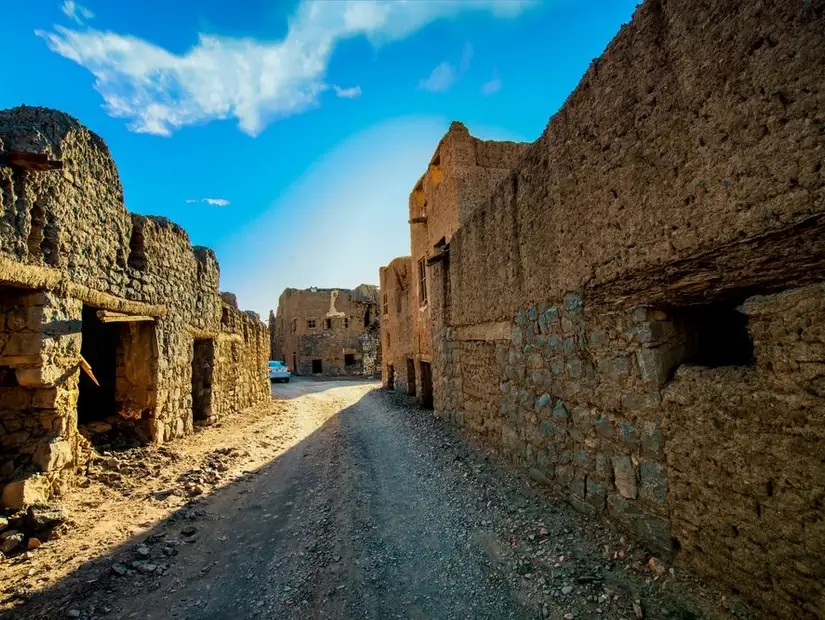
North of Jeddah, Medina adds another layer to the route. Known historically as Yathrib, it was an oasis settlement before becoming one of the most important cities in Islamic history.
For ancient travelers, oasis towns were essential. They provided water, shade, dates, rest, and logistical support for long-distance movement. In this sense, Medina’s geography is central to understanding why certain settlements have become so important.
Visitors should approach Medina with awareness of local access rules and cultural sensitivities. For those able to visit, the city offers a meaningful stop between the Red Sea and the desert landscapes of northwest Arabia.
Leg 5: AlUla and Hegra, the Nabataean Metropolis
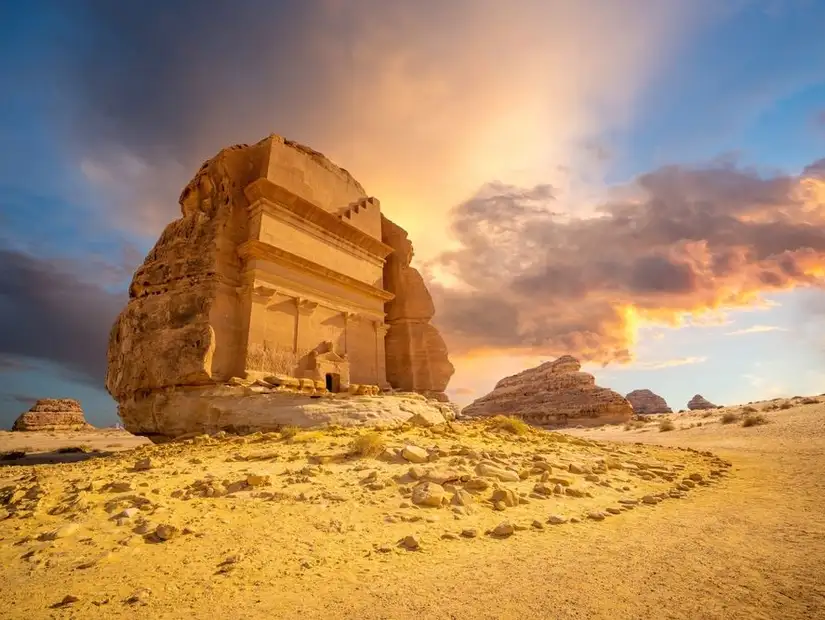
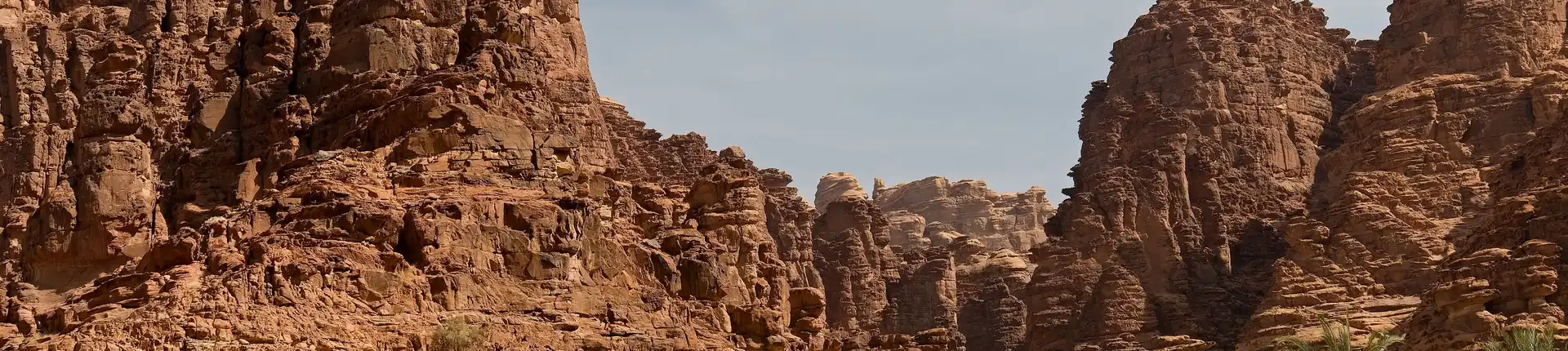
AlUla is the grand finale of this Incense Route-inspired road trip. Surrounded by sandstone cliffs, oasis landscapes, and ancient archaeological sites, it was once a strategic stop for caravans moving through northwest Arabia.
Hegra is the highlight. The Nabataean tombs carved into sandstone cliffs are among Saudi Arabia’s most extraordinary heritage sites. Nearby Dadan and Jabal Ikmah add further depth, with ancient inscriptions, settlement remains, and open-air traces of the people who lived, traded, and wrote across this landscape.
AlUla deserves more than a quick stop. Spend at least two nights if possible, allowing time for Hegra, Dadan, Jabal Ikmah, AlUla Old Town, desert viewpoints, and stargazing.
Logistics for a Saudi Arabia Road Trip
A route like this requires planning. Distances are long, and landscapes change quickly from desert highways to mountain switchbacks and remote heritage areas.
A capable SUV is recommended, especially for mountain routes, desert detours, and rural access roads. For deeper desert experiences, use a guide or organized tour rather than driving independently.
Plan fuel stops carefully, keep water in the car, and avoid driving long remote stretches at night. In mountain areas such as Asir, allow extra time for curves, elevation changes, fog, or weather shifts.
What to Eat and Buy Along the Way
Part of the pleasure of this route is experiencing regional differences. In Asir, look for local honey and traditional highland dishes. Around Medina, dates are a natural souvenir and a meaningful link to oasis culture. In Jeddah, explore Red Sea seafood, cafés, and old-town market snacks. In regional souks, travelers may also find frankincense, incense burners, spices, textiles, and handmade crafts that echo the route’s trading heritage.
Preparing for the Journey
Before booking, check visa requirements, road conditions, and site access rules. Reserve heritage stays early in popular destinations such as AlUla and Jeddah, especially during peak travel periods. Keep the itinerary realistic. Ten days is a strong starting point, but this journey rewards slow travel. The goal is not only to cover distance, but to understand how trade shaped the landscapes, cities, and cultures of Arabia.
Following the Incense Route across Saudi Arabia is a journey through movement: caravans, pilgrims, merchants, mountains, ports, and desert oases. For travelers interested in history and road trips, it is one of the most powerful ways to experience the Kingdom. All you need to do is book your flight to Saudi Arabia with WINGIE, discover the beauty of Saudi Arabia, and return home with meaningful stories to tell.
You may also like:
- Top Museums in Saudi Arabia
- An Ultimate Guide to Shopping Authentic Saudi Arabian Handicrafts
- Best Beaches in Saudi Arabia
- Top Landmarks in Saudi Arabia
- The Best Parks in Saudi Arabia
- Top Attractions in the Eastern Province of Saudi Arabia
- Top Gold Souqs in Saudi Arabia
- An Ultimate Guide to Al Namas
- Top Attractions in Al-Qatif
- An Ultimate Guide to Alrabia Mall

