
An Ultimate Guide to Street Food in Cairo


Cairo is a city that never really slows down, and its street food scene is one of the best ways to feel its rhythm. Between busy avenues, historic neighborhoods, market streets, and tiny side lanes, you will find sizzling grills, fresh bread, bubbling pots of beans, colorful bowls of koshari, and sweet drinks poured within seconds.
Street food in Cairo is fast, flavorful, affordable, and deeply connected to everyday life. It is where office workers grab breakfast, students meet for a quick meal, families pick up dinner, and travelers discover some of Egypt’s most iconic flavors without needing a formal restaurant reservation. This guide will help you explore the must try street foods in Cairo, where to find them, how to eat like a local, and how to enjoy the experience safely and respectfully.
What Makes Cairo Street Food Special?
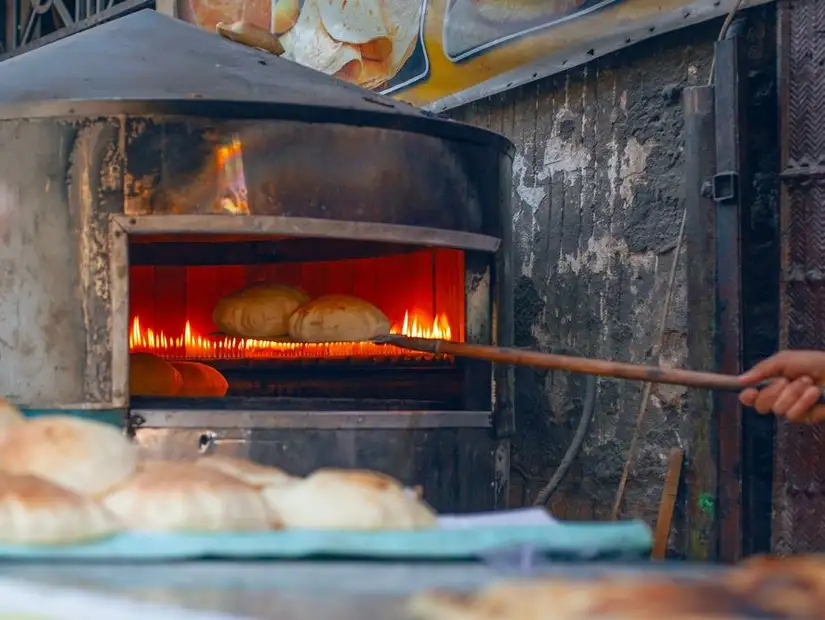
Cairo’s street food is built around comfort. Many dishes use simple ingredients such as beans, lentils, rice, bread, herbs, garlic, vinegar, chili, onions, and warm spices, but the results are rich, layered, and satisfying.
Food is also part of the city’s daily routine. Breakfast might mean ful and ta’ameya wrapped in warm Aish Baladi. Lunch could be a bowl of koshari with extra crispy onions and spicy sauce. A late afternoon break might include sugarcane juice, while dessert could be konafa, basbousa, or a warm serving of Om Ali.
One of the most important parts of Egyptian food culture is Aish Baladi, Egypt’s traditional flatbread. It is served with dishes like ful, ta’ameya, and hawawshi, and it often works as both bread and utensil. The word “aish” also means “life,” which says a lot about how central bread is to Egyptian food culture.
Cairo is also a surprisingly easy city for vegetarian and vegan travelers. Koshari, ta’ameya, and ful are naturally plant based, filling, and widely available. For travelers who want local food without meat, Cairo offers plenty of delicious options.
Top Must-try Street Foods in Cairo
Koshari
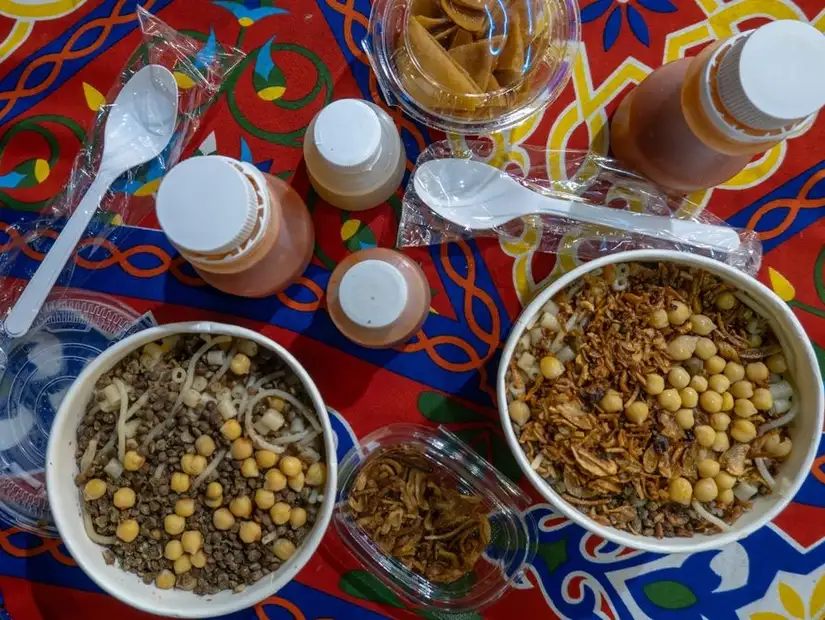
Koshari is Egypt’s ultimate comfort dish and one of the most famous foods to try in Cairo. It is made with rice, lentils, pasta, chickpeas, crispy onions, and tomato sauce, then served with essential condiments like da’ah, a garlic and vinegar sauce, and shatta, a chili sauce. Do not be shy with the sauces. Mixing them into the bowl is part of the koshari experience. The result is tangy, spicy, crunchy, hearty, and completely satisfying.
Where to try it: Koshari Abou Tarek in Downtown Cairo is one of the city’s most famous spots. The atmosphere is energetic, busy, and wonderfully chaotic in the best way.
Estimated price range: Around EGP 35 to EGP 80 for a casual bowl, depending on portion size and location.
Eating tip: Add the sauces little by little at first. Shatta can be strong if you are not used to chili.
Ta’ameya, Egyptian Falafel
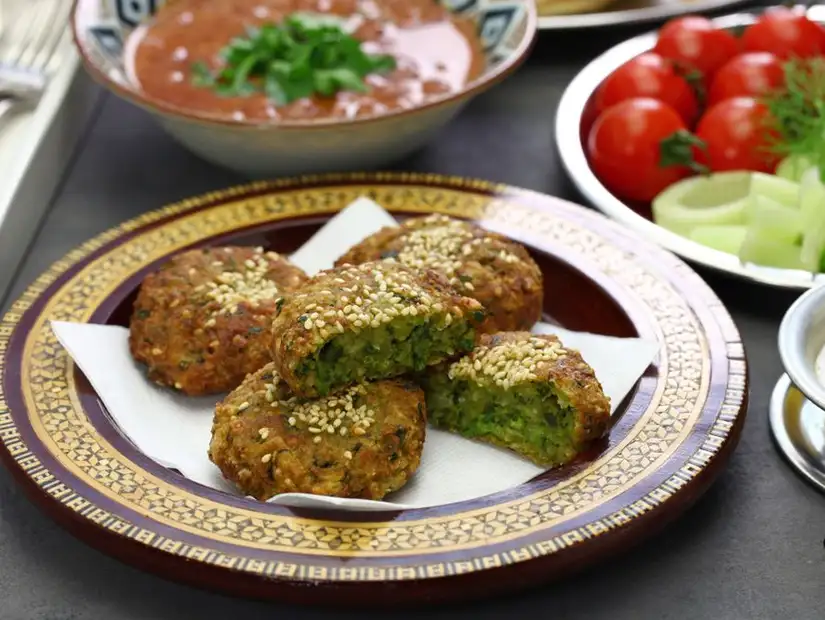
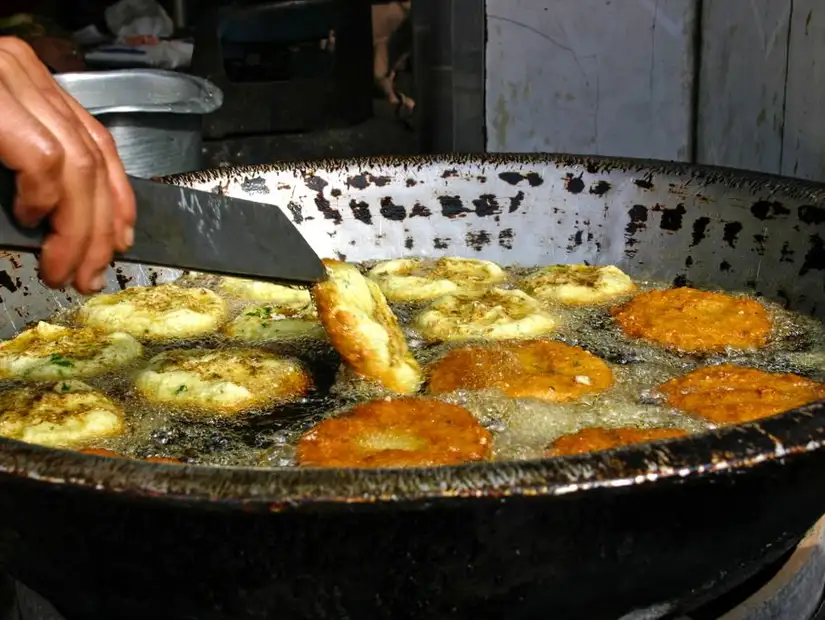
Ta’ameya is Egypt’s version of falafel, but unlike the chickpea-based version found in many other countries, Egyptian ta’ameya is usually made with fava beans. This gives it a bright green inside, a crisp outside, and a fresh herbal flavor. It is often served in Aish Baladi with salad, pickles, tahini, or hot sauce. It is cheap, filling, and perfect for breakfast or a quick snack during sightseeing.
Where to try it: Felfela in Downtown Cairo is a classic choice. Zooba in Zamalek offers a more modern take on Egyptian street food.
Estimated price range: Around EGP 15 to EGP 40 for a sandwich, depending on the place.
Eating tip: Try it fresh and hot. Ta’ameya is best when it comes straight from the fryer.
Ful Medames
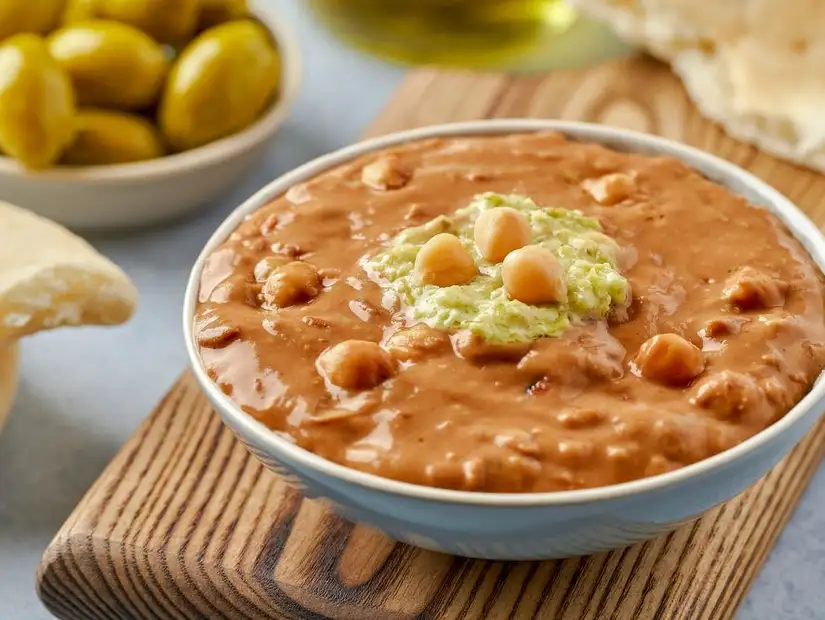
Ful Medames is one of Egypt’s most beloved breakfast dishes. It is made with slow cooked fava beans and usually served with Aish Baladi, lemon, oil, cumin, and sometimes chopped vegetables or tahini. It may look simple, but it is deeply comforting. The flavor is earthy, warm, and satisfying, especially when scooped up with fresh bread.
Where to try it: Look for busy breakfast spots, local bakeries, and small neighborhood eateries.
Estimated price range: Around EGP 20 to EGP 60 for a simple portion or sandwich.
Eating tip: Add lemon and cumin for extra flavor. If you like a richer version, ask for tahini or oil.
Hawawshi
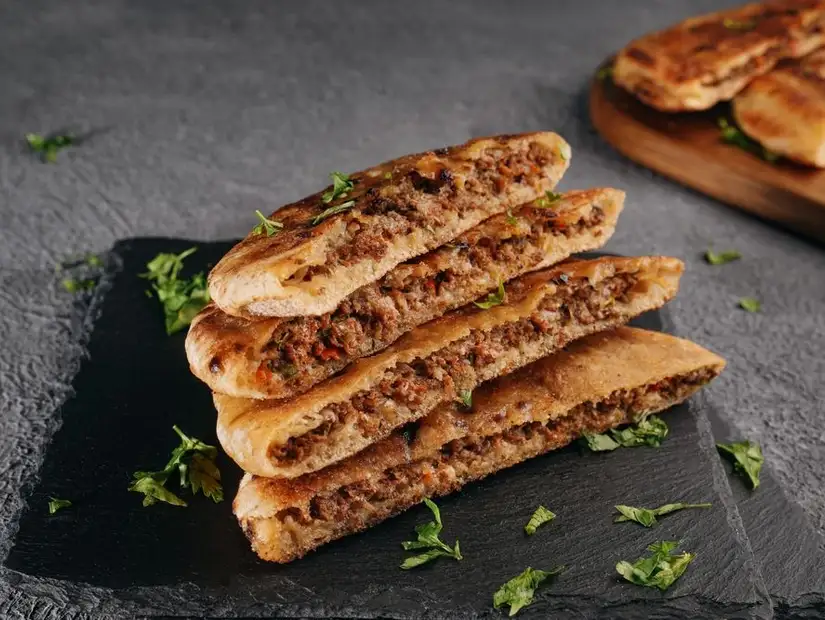
Hawawshi is one of Cairo’s most satisfying street foods. It is made with spiced minced meat stuffed inside Aish Baladi, then baked or grilled until the bread becomes crispy and the filling turns juicy and fragrant. The spices, toasted bread, and meat make it feel like a full meal you can eat with your hands. It is especially good when served hot with pickles or a simple salad.
Where to try it: Local bakeries, grill shops, and traditional street food restaurants across Cairo.
Estimated price range: Around EGP 60 to EGP 150, depending on size and location.
Eating tip: Eat it while it is still hot. Crispy bread is part of the magic.
Shawarma and Kofta Sandwiches
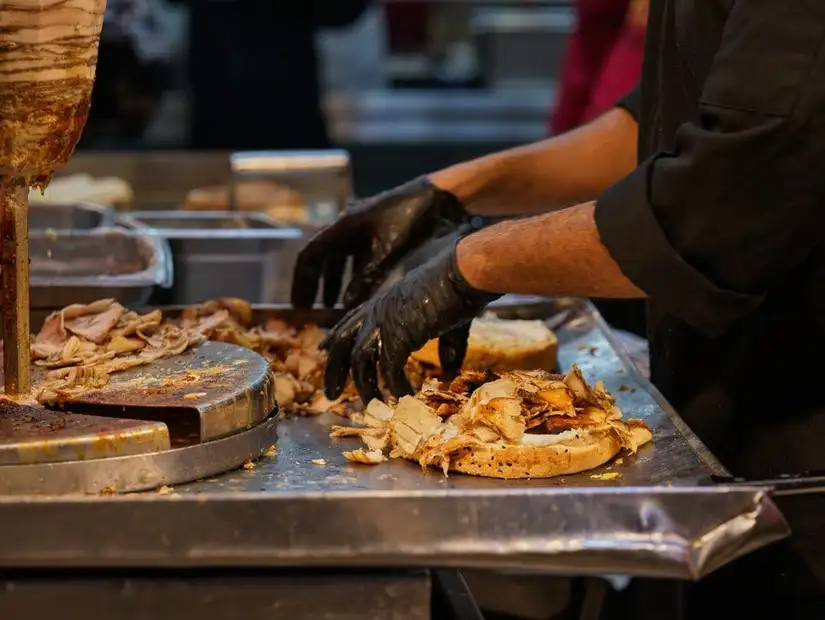
Cairo also has its own take on regional favorites like shawarma and kofta sandwiches. Shawarma is usually made with thin slices of seasoned meat, while kofta is made with spiced minced meat shaped and grilled. Both are quick, filling, and easy to find across the city. They are great options when you want something familiar but still full of local flavor.
Where to try it: Busy sandwich shops, grill restaurants, and popular local streets.
Estimated price range: Around EGP 70 to EGP 150 for a sandwich, depending on the meat and location.
Eating tip: Ask for pickles or extra sauce if you want more flavor and texture.
Local Sweets
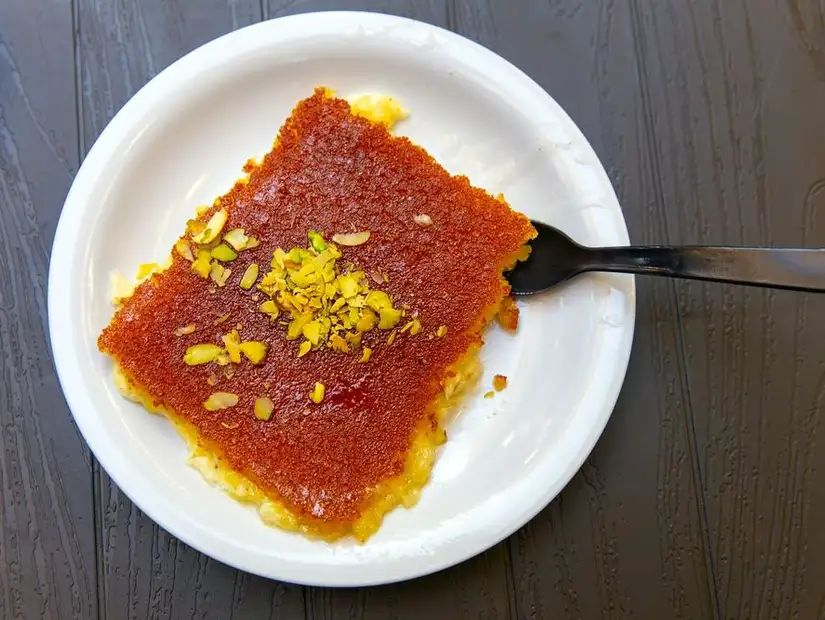
Cairo is a dream for travelers with a sweet tooth. Konafa, basbousa, and Om Ali are some of the most popular desserts to try. Konafa is made with thin pastry strands and syrup, sometimes filled with cream, nuts, or other sweet fillings. Basbousa is a soft semolina cake soaked in syrup. Om Ali is a warm, creamy bread pudding style dessert made with pastry, milk, nuts, and sugar.
Where to try it: Dessert shops, bakeries, traditional restaurants, and cafés around the city.
Estimated price range: Around EGP 40 to EGP 120 per serving, depending on the dessert and shop.
Eating tip: If you are trying several sweets, share a few pieces with your travel companions. Egyptian desserts can be deliciously rich.
Fresh Juice and Sugarcane Drinks

On warm Cairo days, fresh juice stands are a lifesaver. Sugarcane juice, known locally as asab, is one of the most refreshing street drinks in Egypt. It is pressed fresh, served cold, and naturally sweet. You will also find mango, guava, orange, pomegranate, and other seasonal juices across the city.
Where to try it: Juice shops and street stands in busy neighborhoods.
Estimated price range: Around EGP 15 to EGP 50, depending on the drink and area.
Eating tip: Choose a busy juice shop where drinks are made fresh and served quickly.
Where to Find the Best Street Food in Cairo
Cairo has great food almost everywhere, but some areas are especially rewarding for travelers.
- Khan El Khalili is one of the best places to combine sightseeing, shopping, tea, sweets, and quick street snacks. The area is full of movement, color, and classic Cairo atmosphere.
- Downtown Cairo is a great choice for koshari, ta’ameya, sandwiches, juice shops, and old school local eateries. It is busy, central, and full of affordable food options.
- Zamalek offers a slightly more modern experience, with casual restaurants and updated street food concepts alongside cafés and dessert shops.
- Islamic Cairo is ideal for travelers who want to connect food with history. Around Al Muizz Street and nearby lanes, you can explore beautiful architecture, mosques, old houses, markets, and local snacks in one walk.
- Local markets and busy side streets are often where the most memorable bites happen. A small stall with a steady line of local customers can be a very good sign.
Tips for Enjoying Street Food Safely
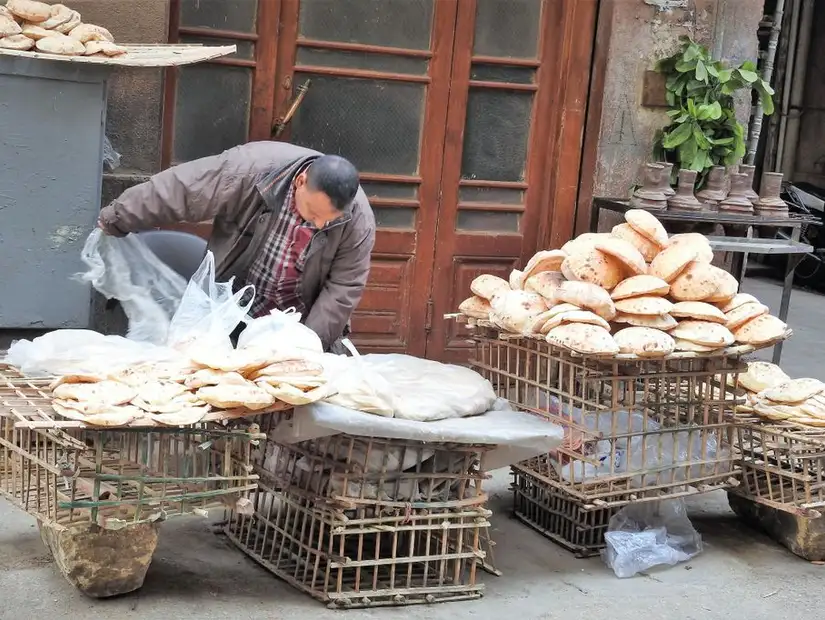
- Street food in Cairo is part of the fun, but a little common sense goes a long way.
- Choose busy stalls with high customer turnover. Look for food that is cooked fresh and served hot. If you are unsure about hygiene, be careful with raw vegetables, sauces that have been sitting out, and unpeeled fruit.
- Stick to bottled water, especially when walking around the city. Be cautious with ice unless the place looks reliable. Carry small cash because many small vendors may not accept cards.
- If you have allergies, ask about ingredients before ordering. Many Egyptian dishes include sesame, nuts, dairy, gluten, or legumes. If you are not used to local spices, start with smaller portions and build from there.
- One useful thing to remember is that popular street food stalls can sometimes feel fresher than hotel buffets because the food moves quickly and locals eat there continuously. The key is to choose wisely, follow the crowd, and pay attention to how the food is handled.
Street Food Etiquette in Cairo
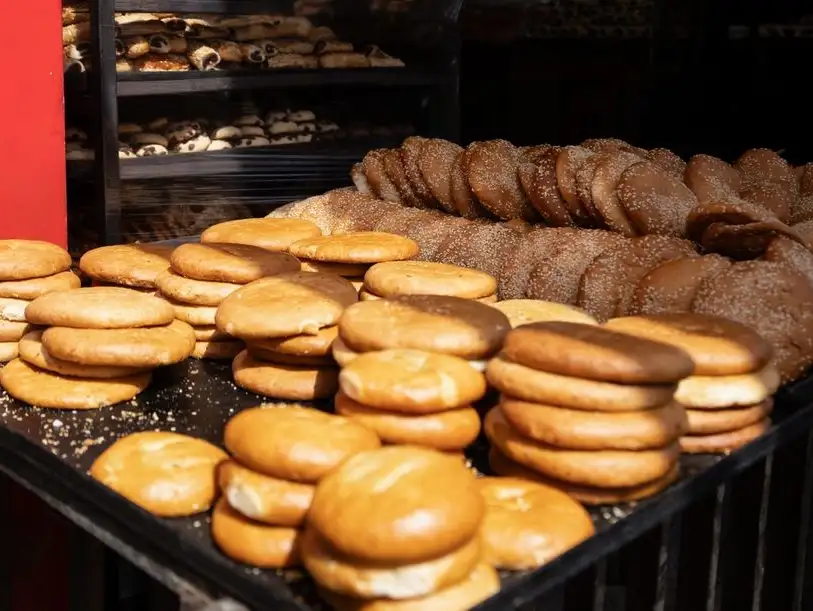
- Eating street food in Cairo is casual, but respectful behavior always makes the experience better.
- Be patient during busy hours. Popular vendors move fast, but crowds can build quickly. Have small bills ready so payment is easy. Use simple greetings like “salaam” or “shukran” when saying hello or thank you.
- If you want to take close up photos of a vendor, always ask first. Many people are happy to be photographed, but it is better to check before pointing a camera at someone.
- Tipping is appreciated, but it is not always expected for very quick street food purchases. If someone gives extra help, serves you at a table, or guides you through what to order, a small tip is a kind gesture.
- Most importantly, eat casually and follow the local rhythm. Street food is not about perfect presentation. It is about flavor, speed, warmth, and the energy of the city.
Experiencing Cairo Through Food
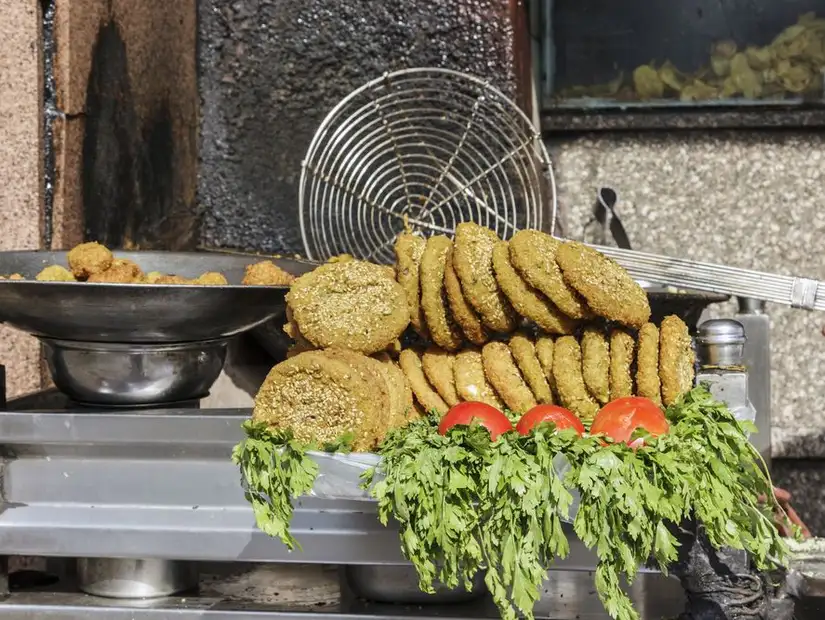
Street food in Cairo is not just about eating. It is a way to experience the city’s history, architecture, markets, and daily life. A great food focused walk can start on Al Muizz Street, one of the most beautiful historic streets in Islamic Cairo. Take your time exploring the old buildings, mosques, and narrow lanes. Along the way, stop for small snacks, fresh bread, or a quick drink. From there, continue toward Khan El Khalili, where the atmosphere becomes even more lively. You can browse shops, try sweets, pick up a juice, and watch the city move around you.
End your walk with mint tea at El Fishawy Café, one of Cairo’s most famous traditional cafés. It is a classic place to sit, rest, and take in the sounds of the market after a long day of exploring. This is what makes Cairo’s food scene so memorable. One meal can lead you from a historic street to a market, from a tiny stall to a centuries old café, and from a simple snack to a deeper understanding of local life.
Cairo’s street food scene is bold, affordable, generous, and full of character. Start with the classics like koshari, ta’ameya, ful, hawawshi, local sweets, and fresh sugarcane juice, then let the city surprise you along the way. From sizzling hawawshi to colorful bowls of koshari, Cairo’s street food scene is one of the most memorable ways to experience the city. Explore WINGIE’s deals to book your flight to Cairo and discover Egypt through its most iconic local flavors!
You may also like:
- Top 10 Restaurants in Cairo
- Citystars Cairo: A Comprehensive Guide to the Ultimate Shopping and Entertainment Experience
- A Fun-Filled Guide for Cairo's Top Amusement Parks
- Guide to Pharaonic Village in Giza
- A Comprehensive Guide to Arabella Plaza Mall in Cairo
- Ultimate Guide to the Mall of Arabia in Cairo
- Top Activities at the International Park in Cairo

