An Ultimate Guide to Middle Eastern Dates: Varieties, Pairings, and Where to Buy


In the Middle East, a date is rarely just a sweet bite at the end of a meal. It is a welcome at the door, a pause before conversation, and a small gesture that says you are expected here.
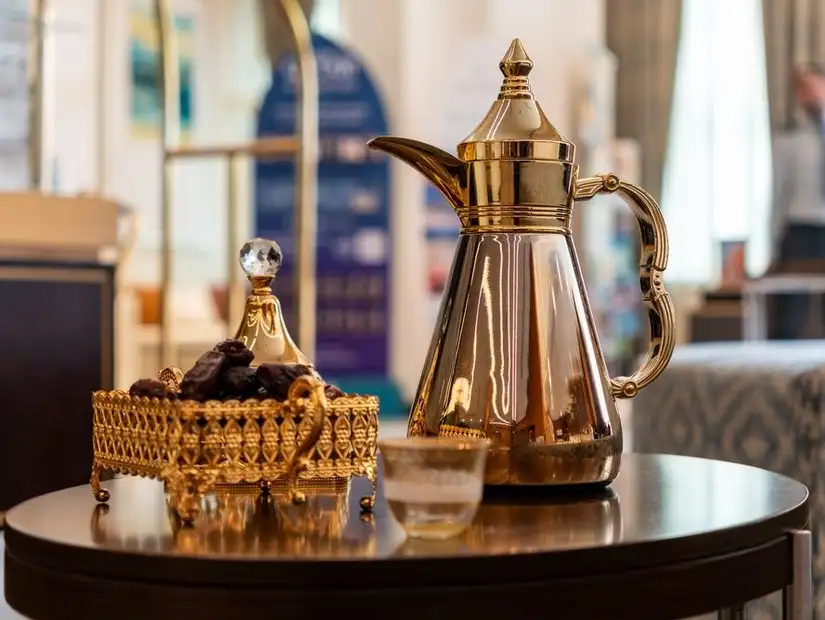
You may first notice them beside a brass dallah filled with Arabic coffee, laid out at a hotel reception, or stacked in generous pyramids inside a traditional market. Some are soft and honeyed, some are dark and almost fudgy, and others are firm enough to chop into pastries or carry home in a suitcase.
For travelers, dates offer one of the easiest and most delicious ways to understand local hospitality. This guide takes you through their stories, flavors, and shopping rituals, so you can taste with confidence and take home the variety that suits you best.
Cultural Significance of Middle Eastern Dates
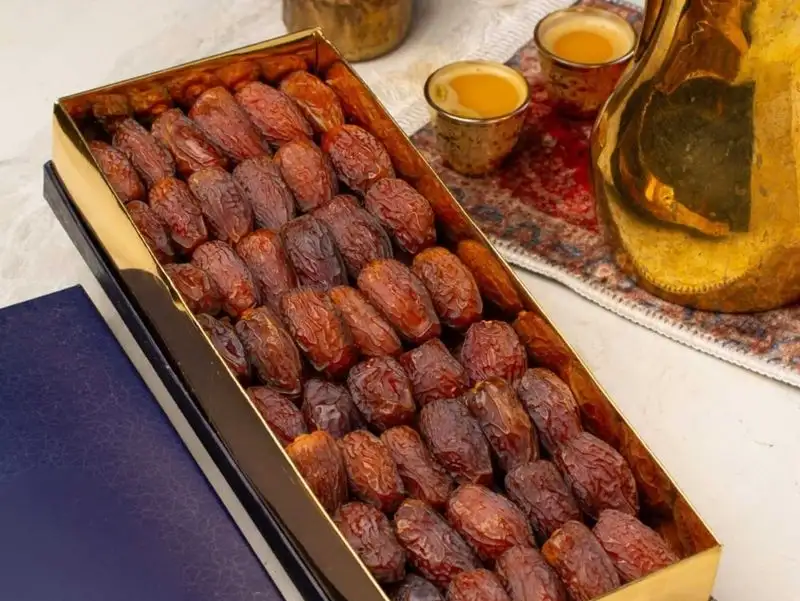
Across the Middle East, dates and Arabic coffee are closely linked to generosity. They are often the first things offered to a guest, whether you are entering a family home, sitting in a majlis, or checking into a heritage hotel. The gesture is simple but meaningful: take a seat, slow down, and share a moment before the conversation begins.
In Saudi Arabia, dates are part of everyday hospitality as well as religious and seasonal traditions. A small plate may accompany gahwa, the lightly spiced Arabic coffee often prepared with cardamom. You may notice that different regions take pride in different varieties: Al Madinah is closely connected with Ajwa, while Qassim is known for golden Sukkari.
Coffee and dates are equally central to the welcome, but the serving ritual can feel more formal. Gahwa is often poured from a traditional dallah into small finjan cups, with dates placed nearby to balance the coffee’s gentle bitterness. In homes and majlis settings, the ritual is not simply about refreshment. It is a host’s way of expressing warmth, attention, and respect.
You do not need to know every rule as a visitor. Follow your host’s lead, accept an offered date or coffee with your right hand when practical, and receive the gesture in the spirit in which it is offered.
Top 5 Popular Date Varieties to Try
The region produces hundreds of date cultivars, and a date’s texture can change with its stage of ripeness. A soft, fresh date may be sold as rutab, while a fully ripened, drier one is often called tamr. The easiest way to start is to taste a few varieties side by side.
1. Medjool
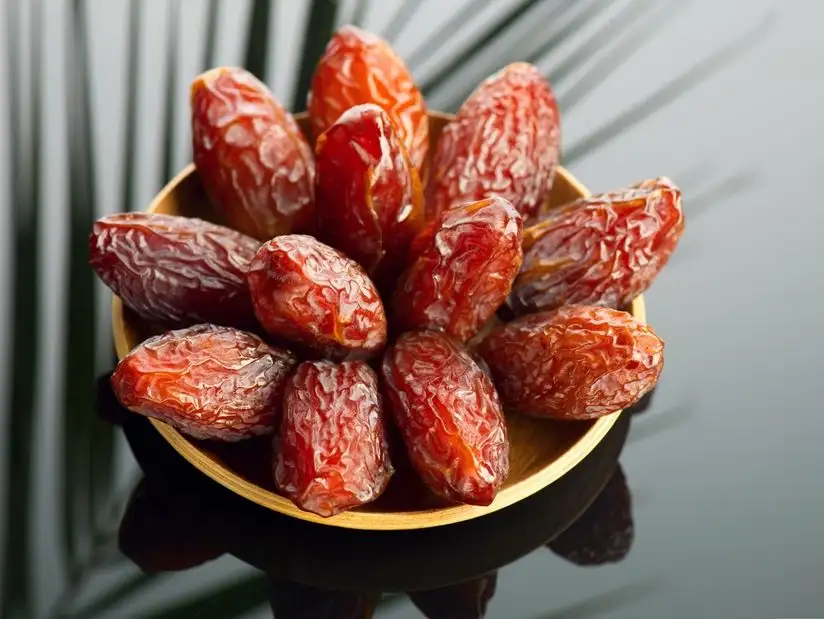
Large, glossy, and instantly recognizable, Medjool dates have thick flesh, a chewy texture, and caramel-like sweetness that can feel almost dessert-like. Widely sold across the Middle East and North Africa, they originated in Morocco rather than one Gulf country. Try them when you want an easy snack or a date sturdy enough to stuff with nuts. Their generous size makes them especially good with soft cheese or a whole toasted almond.
2. Ajwa
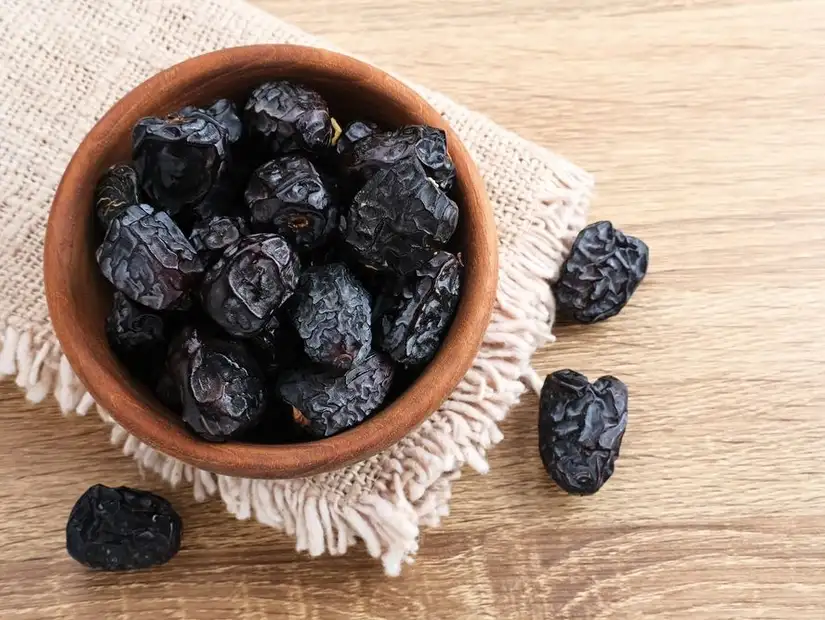
Ajwa dates are small to medium in size, dark brown to nearly black, and often slightly drier than softer varieties. Their flavor is deep and gently fruity, with prune-like notes and a restrained sweetness.
Ajwa is closely connected with Al Madinah and holds special spiritual significance for many Muslims because of its association with the Prophet Muhammad. It is a beautiful choice when you prefer something darker, less glossy, and more complex.
3. Sukkari
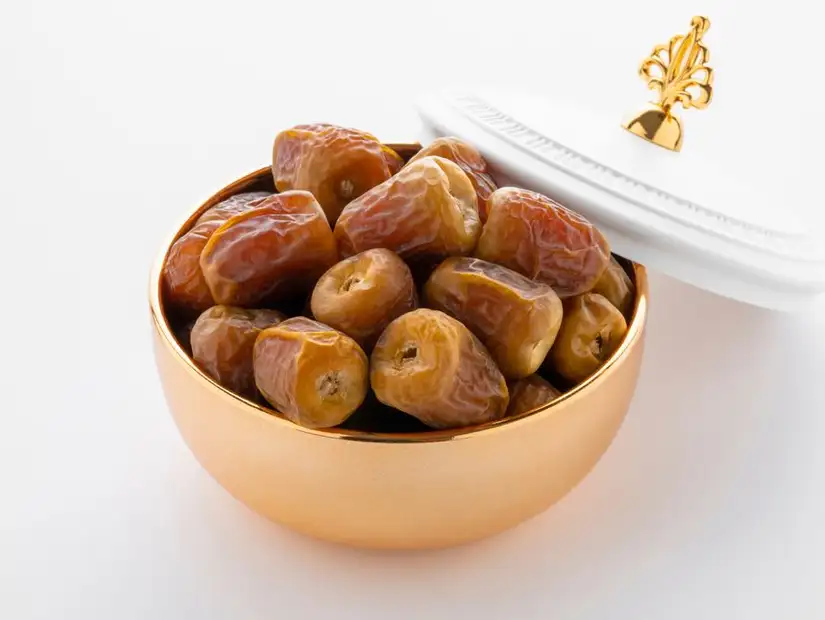
Sukkari dates are usually golden to light brown, soft, and exceptionally sweet. Their name comes from the Arabic word for sugar, and the texture can feel almost melt-in-the-mouth when they are fresh and moist.
Associated with Saudi Arabia’s Qassim region, Sukkari is often served with gahwa because its honeyed sweetness softens the coffee’s lightly bitter, cardamom-scented character. Choose it for a snack or a generous market box.
4. Deglet Noor
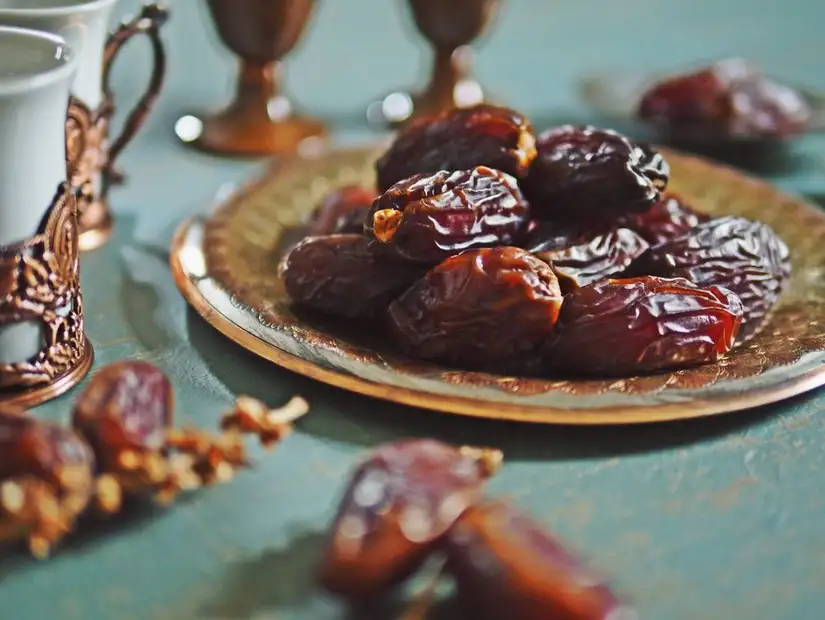
Deglet Noor, sometimes called the “date of light,” is a North African classic found in many Middle Eastern shops. It is more translucent and firmer than Medjool or Sukkari, with a neat, slightly chewy bite and a mild, nutty sweetness.
Because it holds its shape well, Deglet Noor is ideal for cakes, couscous, salads, and travel-friendly snack mixes. This is the date to choose when you like sweetness with a little more structure.
5. Khalas
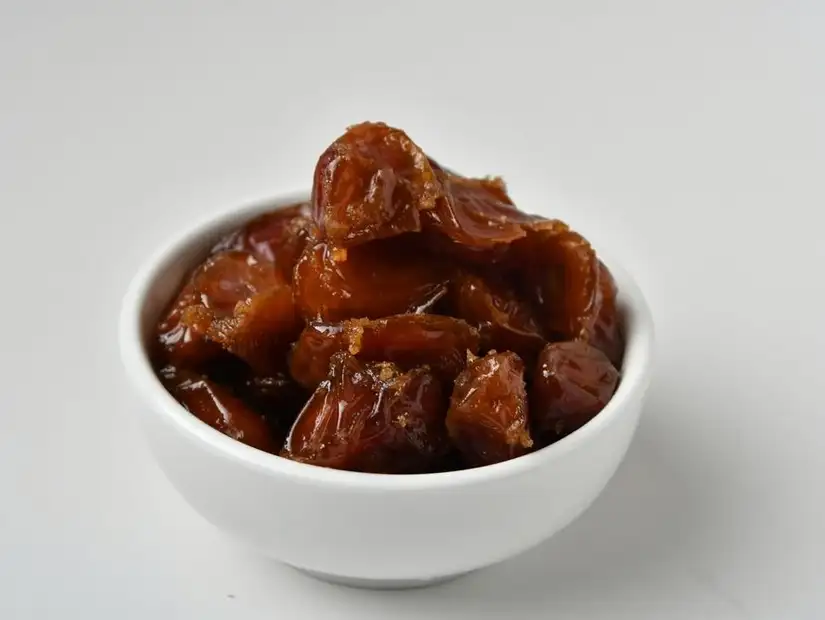
Khalas, also written Kholas, is a beloved Gulf variety grown in Saudi Arabia, the UAE, and neighboring countries. It is usually golden-brown, tender, and slightly sticky, with a flavor between butterscotch, caramel, and warm honey.
It feels made for a daily coffee break. You may find it at family gatherings, hotel receptions, or in everyday market boxes. Pair it with a warm cup of gahwa, and you will understand why it remains a favorite across Gulf households.
Traditional and Modern Date Pairings
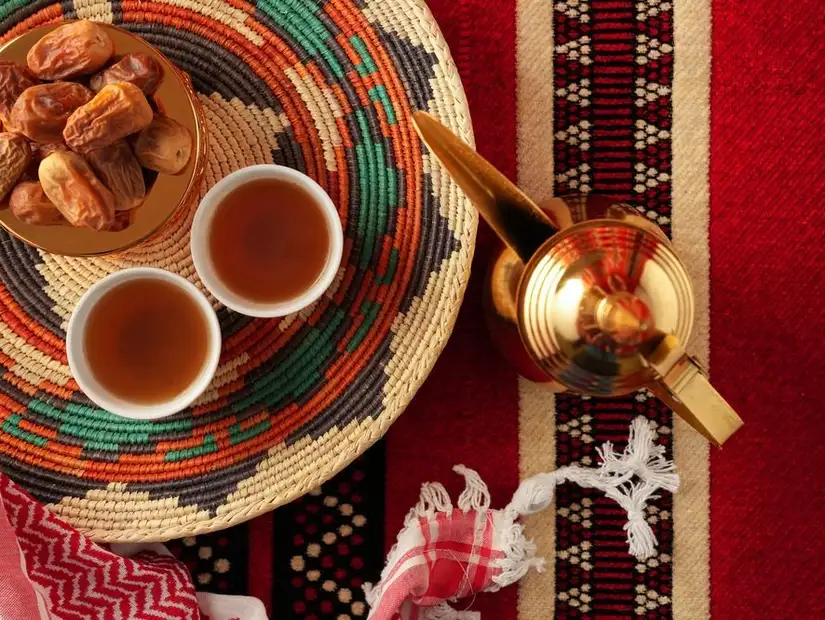
Dates are complete on their own, but a little saltiness, nuttiness, spice, or acidity can make their sweetness feel even more balanced.
- Gahwa: Sip lightly spiced Arabic coffee with Sukkari, Khalas, or Ajwa dates for a traditional welcome ritual.
- Tahini: Spread tahini inside a soft Medjool or Sukkari date, then add a tiny pinch of sea salt.
- Walnuts: The slight bitterness of walnut works beautifully with sticky Medjool dates. Stuff them together for an easy snack.
- Almonds: A whole toasted almond inside a date gives you crunch and makes an elegant coffee accompaniment.
- Blue cheese: Serve a halved Medjool with a small piece of blue cheese and a walnut for a salty-sweet pre-dinner bite.
- Orange zest and dark chocolate: Add orange zest to a chocolate-dipped date for a contemporary dessert with a regional heart.
- Labneh: Fill a split date with labneh, crushed pistachios, and a drop of olive oil for a fresh, savoury-sweet canapé.
When buying stuffed dates, check whether they are filled at the market or commercially packaged. Freshly stuffed dates are ideal for enjoying during your trip, while sealed boxes are usually the safer choice for a flight home.
How to Shop in Local Date Markets
A good date market is not a place to rush through. It is a place to compare, taste, and ask questions. In Dubai, start at the Deira Spice Souk. Among the sacks of cardamom, dried limes, rose petals, and saffron, you will find stalls selling dates in every texture and price range. It is a good place to taste different varieties and buy smaller quantities before committing to a large box. Vendors often expect friendly bargaining, especially when you are buying by weight.
In Riyadh, look for the city’s dedicated date market in the Otaiqah area, which becomes especially active in the late-summer harvest season. Here, boxes of Sukkari, Ajwa, Khalas, and more niche regional varieties can sit side by side, sold for daily eating, gifting, and bulk buying. Market names and opening hours can change, so check with your hotel or a local map before you go.
Ask before taking a sample, smile when you do, and be prepared to buy when a seller has opened a box for you.
A few shopping tips make a big difference:
- Ask which variety is soft, semi-dry, or best for baking.
- Ask where the dates were grown, especially when buying Ajwa or regional specialties.
- Compare a few stalls before buying a large box.
- Check the packing date and choose sealed packaging for gifts or travel.
- Buy a small tasting selection first, then return for your favorites.
- Check your destination’s customs rules before packing fresh or loose food in your luggage.
There is no single “best” date. The right one depends on whether you want deep and dark, golden and soft, firm and nutty, or rich enough to replace dessert.
The next time you travel through the Middle East, leave room in your itinerary for a coffee, a conversation, and a few generous tastings. A box of dates may be one of the easiest souvenirs to pack, but it carries far more than sweetness. Book your next flight with WINGIE, explore the flavors that make each destination memorable, and bring home a taste of the region’s most enduring welcome.
You may also like:
- Top 10 Famous Movie Sets in the MENA Region
- Astrotourism in the MENA Region: Top Desert Spots for Stargazing in Saudi Arabia
- The Art of Souq Haggling: How to Bargain Like a Local in the MENA Region
- Top Museums in Saudi Arabia
- An Ultimate Guide to Glamping in Saudi Arabia
- An Ultimate Guide to the Incense Route: A Historic Saudi Arabia Itinerary
- An Ultimate Guide to Shopping Authentic Saudi Arabian Handicrafts
- Best Beaches in Saudi Arabia
- Top Landmarks in Saudi Arabia
- The Best Parks in Saudi Arabia
- Top Attractions in the Eastern Province of Saudi Arabia
- Top Gold Souqs in Saudi Arabia
- An Ultimate Guide to Al Namas
- Top Attractions in Al-Qatif
- An Ultimate Guide to Alrabia Mall
- Top Spice Souqs in the MENA Region
- The Most Famous Castles in the MENA Region
- The Most Beautiful Natural Wonders in the MENA Region
- Top Camping Destinations in the MENA Region
- Best 15 Cities in Morocco to Visit
- Top 10 Family-Friendly Destinations
- Top Amusement Parks in Lebanon
- Top Attractions in Jordan
- Top 10 Restaurants in Cairo
- Top Oases in the MENA Region
- Top Destinations for the Eid Holiday in the MENA Region
- Top Archaeological Destinations in the MENA Region
- Top Diving Destination in the MENA Region
- Top Desert Safari Destinations in the MENA Region

