An Ultimate Guide to Al Oqilat Museum in Al Qassim


In the heart of the Al Qassim region lies a destination where history isn't just displayed on a shelf; it breathes through the walls. For travelers seeking an authentic glimpse into the soul of the Arabian Peninsula long before the modern era, the Al Oqilat Museum in Buraidah stands as an essential pilgrimage.
Far from a standard, cookie-cutter cultural center, this private heritage museum acts as a portal to a bygone era. It tells the story of a time when travel was an act of raw survival and trade was a heroic enterprise built on resilience, patience, and absolute faith in the desert horizon.
If you are planning an itinerary through Saudi Arabia, this comprehensive guide will detail everything you need to know about visiting the Al Oqilat Museum, discovering who these legendary merchants were, and exploring the invaluable treasures housed within this cultural landmark.
What is the Al Oqilat Museum?
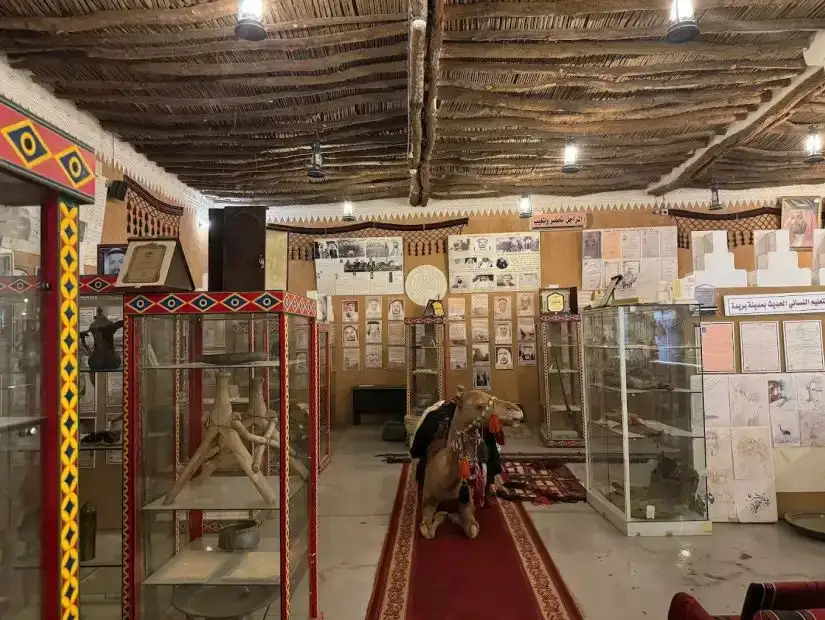
Located in Buraidah, the vibrant capital city of the Al Qassim region, the Al Oqilat Museum (sometimes spelled Al-Uqailat Museum) is recognized as one of the most prominent and historically vital private documentary museums in Saudi Arabia.
Unlike state-funded institutions, this museum was born out of pure passion, dedication, and individual initiative. It was founded by the esteemed Saudi historian and researcher Abdul Latif Al Wuhaibi, who dedicated decades of his life to tracking down, verifying, and preserving the oral and written history of the Al Qassim merchants. Thanks to his relentless personal efforts, a legacy that was on the brink of being forgotten is now safely preserved for future generations, scholars, and global travel enthusiasts.
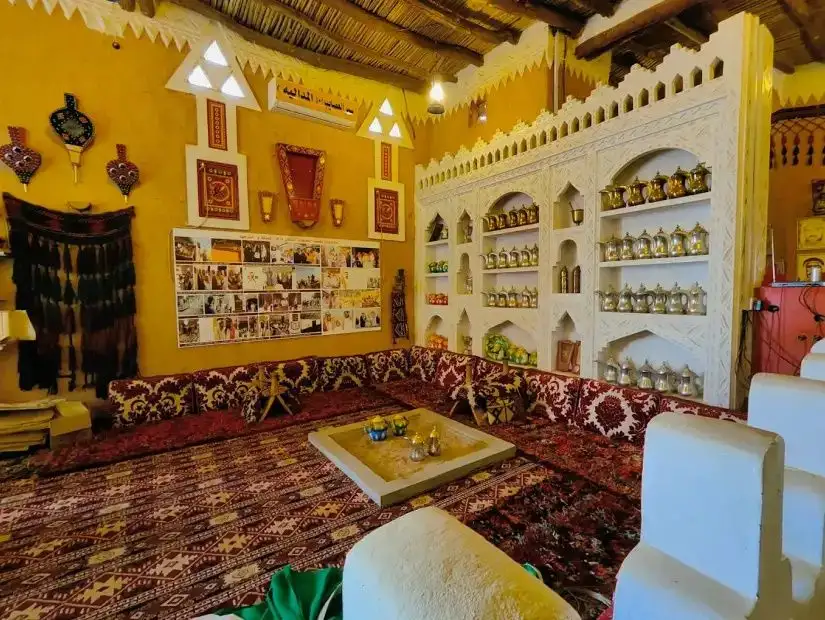
The building itself is a masterpiece of traditional Najdi architecture. With its earthy mud-brick aesthetics, classic geometric woodwork, and beautifully structured layout, the museum offers an immersive visual experience. The architecture blends seamlessly with the artifacts inside, instantly making you feel as though you have stepped off a modern street and into a 19th-century caravan outpost.
Who Were Al Oqilat? The Legendary Merchants of Najd
To appreciate the museum, one must first understand the extraordinary people it honors. The term Al Oqilat does not refer to a single family or an individual tribe. Instead, it was an elite commercial title and alliance given to groups of merchants, camel herders, and guides hailing from various tribes across the Najd region, with its beating heart centered in Al Qassim.
The name itself is deeply tied to Arabian heritage, originating from the word Iqal, which is the traditional black rope used to tether camels. These men were readily identified across the Middle East by the unique way they handled their camels or styled their headwear.
The Original Cultural Bridges of the Desert
Dating back more than 300 years, the Al Oqilat merchants established complex, grueling overland caravan routes. They were renowned for crossing harsh international deserts to trade in vital commodities, including:
- Arabian camels and thoroughbred horses
- Sheep and livestock
- Grains, spices, and essential food supplies
- Textiles, garments, and traditional tools
While their physical camel caravans primarily traveled overland to Iraq, the Levant (modern-day Syria, Jordan, and Lebanon), and Egypt, the economic footprint of Al Oqilat stretched much farther. They acted as premier international brokers, sourcing, buying, and distributing exotic luxury items that arrived via maritime ports from as far away as India and China.
Consequently, the Al Oqilat were far more than simple businessmen; they were cultural ambassadors. As they traveled, they introduced Najdi customs, Arabic dialects, and traditional Saudi hospitality to foreign lands, building an enduring reputation for absolute honesty, bravery, and integrity. The glorious era of these open-desert trade caravans eventually came to a natural close with the demarcation of modern international borders, but their massive impact on the economic identity of the Arabian Peninsula remains profound.
The Inspiring Story Behind the Collection
The creation of the Al Oqilat Museum is an inspiring tale of preservation against the odds. Historian Abdul Latif Al Wuhaibi recognized that as the older generation passed away, the rich oral histories, unmapped travel routes, and private family documents of the Al Oqilat were in immediate danger of disappearing forever.
Al Wuhaibi embarked on a monumental journey across Saudi Arabia and neighboring countries, meeting with the descendants of old trading families. He painstakingly collected original manuscripts, fading photographs, official letters of passage, and the actual physical tools used by the merchants during their expeditions.
What began as a passionate, one-man preservation project quickly grew in size and academic importance. Today, it stands as a critically acclaimed, licensed museum that serves as an indispensable reference hub for global researchers, students, and historians looking to understand pre-oil Arabian commerce.
Inside the Museum: Exhibits and Rare Historical Treasures
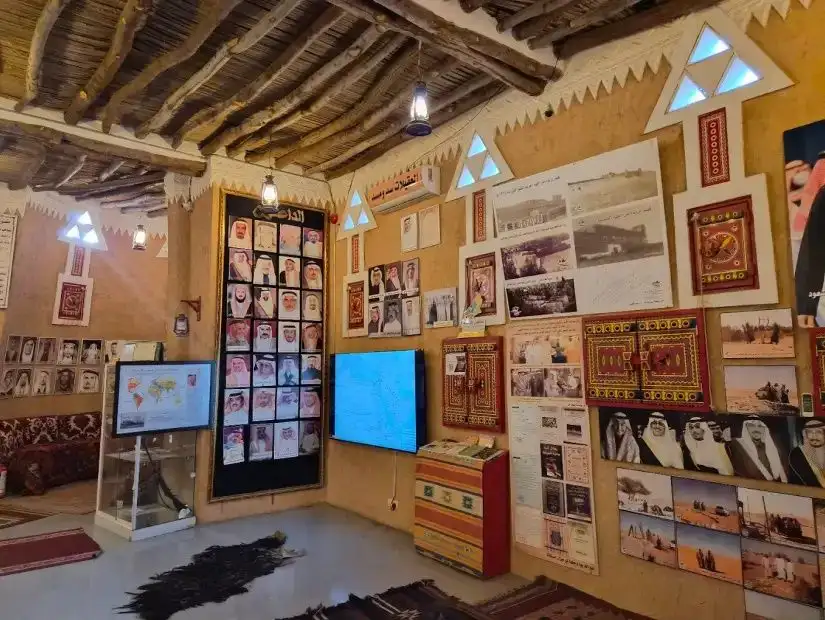
The sheer volume of history packed inside the Al Oqilat Museum is staggering. Rather than displaying items behind cold, disconnected glass, the museum organizes its exhibits to tell a cohesive, chronological story.
When you walk through the galleries, you will discover a treasure trove of historical artifacts:
1. The Document and Manuscript Archives
The museum proudly houses more than 10,000 authentic historical documents specifically related to the commercial activities and family trees of the Al Oqilat. Additionally, visitors can view around 1,500 official papers, which include historic international custom forms, financial ledger books, and fascinating commercial contracts written by hand centuries ago.
2. A Massive Photographic Record
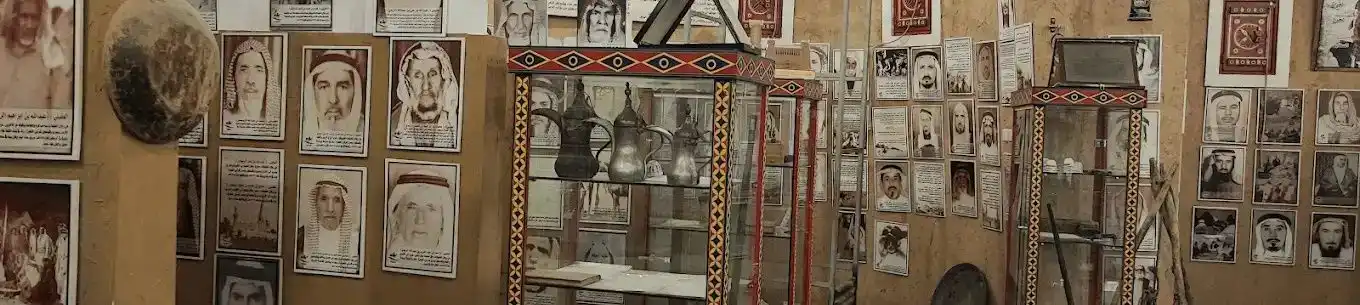
With a collection of over 3,000 rare historical photographs, the museum offers a vivid visual timeline. These images capture the reality of life on the trail, showing camel caravans stretching across the horizons of Sinai, bustling historic markets in Baghdad and Damascus, and portraits of the legendary traders themselves.
3. Royal Correspondence and the Unification of Saudi Arabia
One of the most politically significant sections of the museum features original, handwritten letters and manuscripts exchanged between the Al Oqilat leadership and King Abdulaziz Al Saud, the founding father of modern Saudi Arabia.
The Al Oqilat played a critical logistical and military role in the unification of the Kingdom. Because of their deep knowledge of desert geography, tactical scouting abilities, and access to massive herds of camels and horses, they provided vital strategic support to King Abdulaziz. The museum intricately documents their participation in historic national events, including the pivotal Battle of Sabilla.
4. Historic Maps and Travel Equipment
For geography lovers, the museum displays hand-drawn, highly detailed maps illustrating the ancient paths carved across the desert by caravan leaders. Displayed alongside these maps are the physical tools of the trade: antique firearms used for protection against bandits, traditional coffee-roasting tools, camel saddles, old navigational instruments, and water skins designed to survive months under a blazing sun.
Best Things to Do at Al Oqilat Museum
To make the most of your cultural tour, keep an eye out for these enriching activities during your visit:
- Trace the Historic Caravan Trails: Spend time studying the meticulously preserved route maps to understand how merchants successfully navigated thousands of miles across unforgiving terrain without modern technology.
- Analyze Pre-Oil Economics: Gain a profound appreciation for how Saudi society operated, traded, and thrived before the discovery of oil transformed the region.
- Interact with Living History: The museum staff, and often the founder himself, are immensely knowledgeable. Engaging them in conversation unlocks captivating spoken stories that bring the artifacts to life.
- Capture Stunning Architecture Photography: The traditional Najdi architectural style of the building, complete with rustic courtyards and intricate entryways, provides a beautiful backdrop for photography.
- Relax with Authentic Saudi Hospitality: True to the timeless traditions of the Al Oqilat themselves, visitors are frequently welcomed with complimentary, freshly brewed Saudi coffee (qahwa) and premium local Qassim dates.
Practical Information for Your Visit
To help you seamlessly integrate this historic landmark into your travel itinerary, use these up-to-date logistical details:
Opening Hours & Best Time to Visit
The museum operates on a split-shift schedule six days a week, and it is typically closed on Fridays.
- Morning Shift: 08:30 to 12:00
- Afternoon Shift: 15:30 to 18:30
Entrance Fees & Accessibility
- Admission Cost: 100% Free. Donations and patron support for the preservation work are highly appreciated.
- Target Audience: Perfect for history lovers, academic researchers, cultural tourists, and families looking to inspire historical awareness in children.
The Al Oqilat Museum is conveniently located in the Wahtan district of Buraidah, Al Qassim. It is easily accessible by car or taxi from any central hotel in the city. If you are driving from downtown Buraidah, navigate south-east via King Abdulaziz Road, follow the signs for the Wahtan neighborhood, and turn onto Street 418.
Essential Travel Tips for Visitors
- Allocate Adequate Time: Do not rush through this location. Budget at least one to two hours to properly read the descriptions, study the photographs, and absorb the vast wealth of documentation.
- Engage with the Guides: The museum's charm lies in its stories. Don't hesitate to ask questions about the specific families mentioned in the documents.
- Combine with Local Attractions: Make it a full day of heritage by pairing your museum tour with a visit to the famous Buraidah Camel Market, which is the largest camel market in the world and comes alive early in the morning, or the lush landscapes of King Abdullah National Park.
Experience the Magic of Al Qassim
The Al Oqilat Museum is not merely a quick roadside attraction in Al Qassim; it is an unforgettable gateway through time. It provides a rare, authentic look into the foundational values of endurance, cross-cultural respect, and enterprise that shaped the modern Saudi story.
To turn this cultural adventure into a seamless reality, explore competitive fares, tailored flight schedules, and flexible booking options direct to Al Qassim through our travel platform today. Let us take care of your logistics while you step into the legendary footprints of the desert caravans! Don’t miss out on the best deals to find the cheapest flights to Buraidah on WINGIE today!
You may also like:

